check

check

check

check

check

check
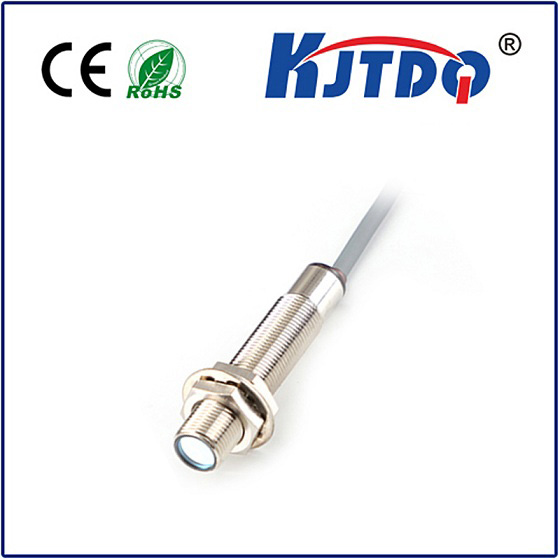
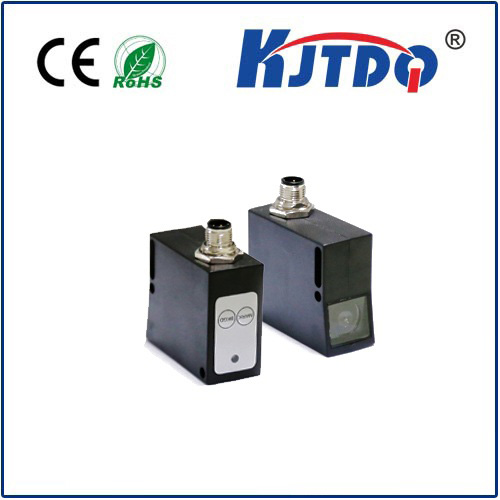
In the fast-paced world of industrial manufacturing, particularly within the beverage, pharmaceutical, and food sectors, the accuracy and speed of packaging lines are paramount. A single misstep in detecting the presence, position, or absence of a bottle can lead to significant production downtime, product waste, and costly inefficiencies. This is where the specialized technology of the proximity sensor for bottle detection becomes an indispensable component, driving operational excellence and ensuring seamless automation.
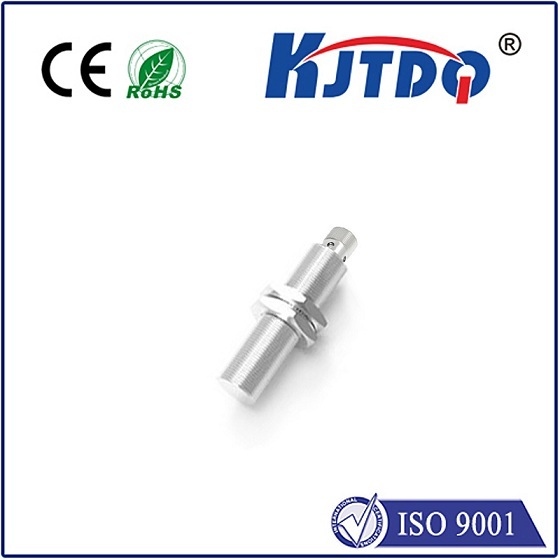
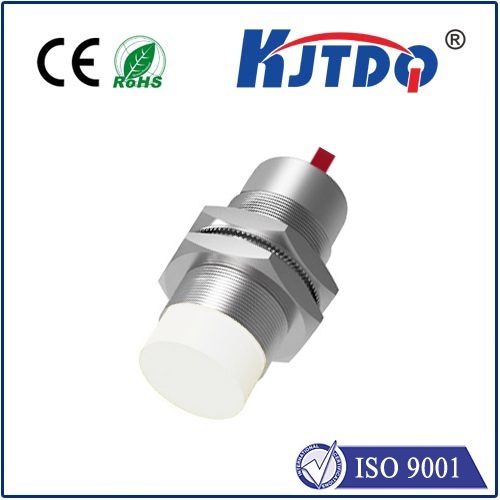
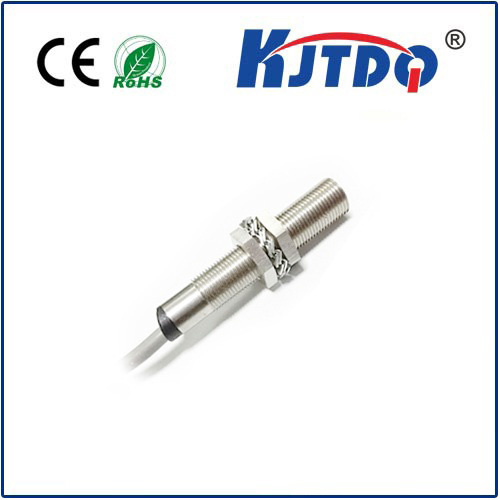
Unlike traditional mechanical switches or basic photoelectric sensors, modern inductive or capacitive proximity sensors are engineered specifically for the challenges of bottle handling. These non-contact devices operate by generating an electromagnetic field. When a bottle, typically made of glass, plastic, or sometimes metal, enters this field, it causes a detectable change in the sensor's oscillation. This change is instantly processed, triggering a precise output signal to the production line's control system. This fundamental principle allows for reliable detection without any physical contact, eliminating wear and tear and ensuring long-term reliability.
The advantages of implementing a dedicated proximity sensor for this task are multifaceted. First and foremost is reliability. These sensors are largely immune to environmental factors that plague other systems. Dust, moisture, foam, and varying light conditions commonly found in bottling plants have minimal effect on their performance. Whether detecting clear glass bottles on a high-speed conveyor or opaque plastic containers in a humid environment, the proximity sensor provides consistent and accurate readings. This consistency drastically reduces false triggers and missed detections, which are primary causes of line stoppages.
Secondly, the speed of detection is critical for high-throughput operations. Proximity sensors offer incredibly fast response times, capable of detecting bottles passing at rates of thousands per minute. This enables precise control for tasks such as counting, cap placement verification, fill level control, and sorting. For instance, a sensor can confirm a bottle is correctly positioned before a filling nozzle activates, preventing spills and ensuring each container receives the exact volume. Similarly, it can verify the presence of a cap before labeling, avoiding the distribution of unsealed products.
Durability and low maintenance are further compelling benefits. With no moving parts to wear out and robust housings often rated IP67 or higher for protection against water and dust ingress, these sensors are built for 24/7 operation in harsh industrial environments. This rugged design translates to lower total cost of ownership, as the need for frequent replacements or adjustments is minimized. The long operational life ensures continuous production flow and protects the investment in automation infrastructure.
Integration into existing systems is typically straightforward. Modern proximity sensors for bottle detection come with various output options (like PNP, NPN, or analog) and connection methods compatible with standard Programmable Logic Controllers (PLCs). Their compact size allows for flexible mounting in tight spaces along conveyors, rotary tables, or robotic arms. Advanced models even feature adjustable sensing ranges or sensitivity settings, allowing technicians to fine-tune the sensor to ignore the conveyor belt itself and focus solely on the bottles, even if they are closely spaced.
Looking forward, the role of the proximity sensor is evolving with Industry 4.0. Smart sensors with IO-Link capability can transmit not just a simple on/off signal but also diagnostic data, such as operating temperature, signal strength, and device health, to a central monitoring system. This facilitates predictive maintenance, where potential issues can be addressed before they cause a failure, pushing efficiency and uptime to new heights. In smart factories, this data becomes a valuable asset for optimizing overall equipment effectiveness (OEE).
In conclusion, the proximity sensor for bottle detection is far more than a simple switch. It is a critical enabler of precision, speed, and reliability in modern automated packaging. By ensuring every bottle is correctly detected and tracked throughout the packaging process, it safeguards product quality, maximizes production output, and minimizes waste. For any operation looking to enhance the robustness and intelligence of its bottling line, investing in high-quality, application-specific proximity sensor technology is a strategic decision that delivers immediate and long-term returns on efficiency and operational control.