check

check

check

check

check

check
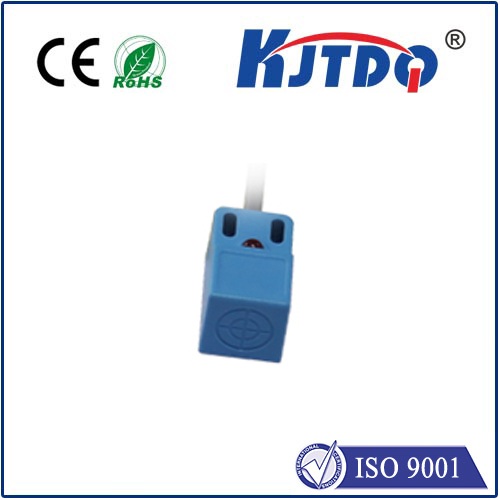
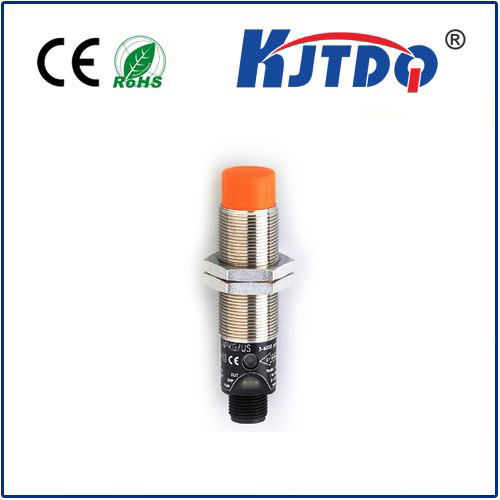
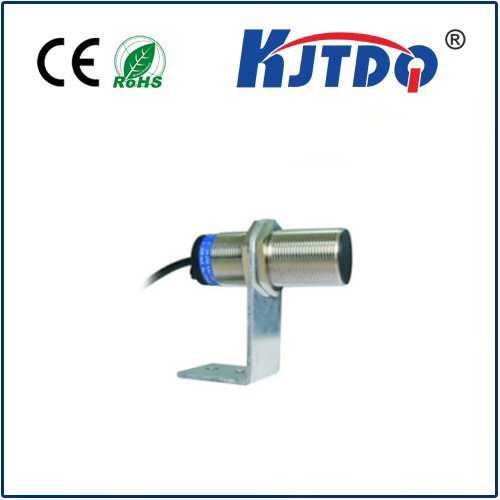
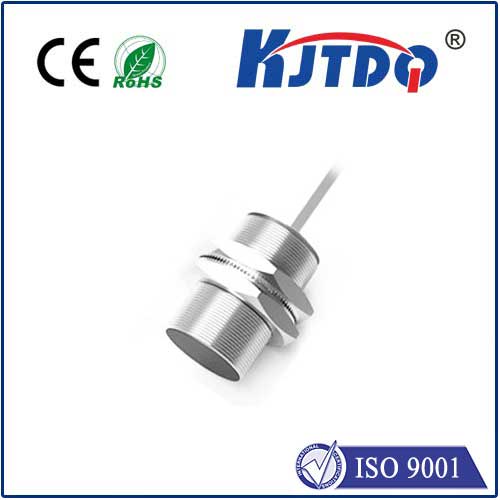
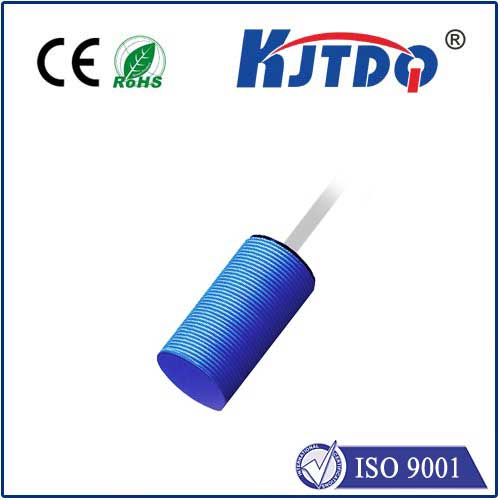
In the dynamic landscape of industrial automation, the demand for reliable, non-contact detection solutions is paramount. Among the array of sensing technologies, the AC Proximity Sensor stands out as a cornerstone for countless applications, from manufacturing assembly lines to complex machinery. This device, often designated with model identifiers like KJTDQ, represents a significant leap in operational safety, precision, and system longevity. Unlike its mechanical counterparts, an AC Proximity Sensor operates without physical contact, detecting the presence or absence of metallic objects through electromagnetic fields. This fundamental principle eliminates wear and tear, ensuring consistent performance over extended periods and reducing maintenance downtime.
The core functionality of an AC Proximity Sensor revolves around its oscillator circuit. When a metallic object enters its active sensing field, it induces eddy currents on the object's surface. This interaction dampens the oscillation amplitude within the sensor. The sensor's detection circuit meticulously monitors this change, triggering a solid-state output signal. For AC models, this output is typically an alternating current signal, seamlessly integrating with standard industrial AC control systems. The KJTDQ series, in particular, is engineered for robustness, often featuring durable housings resistant to water, oil, and industrial chemicals, making it suitable for harsh environments.
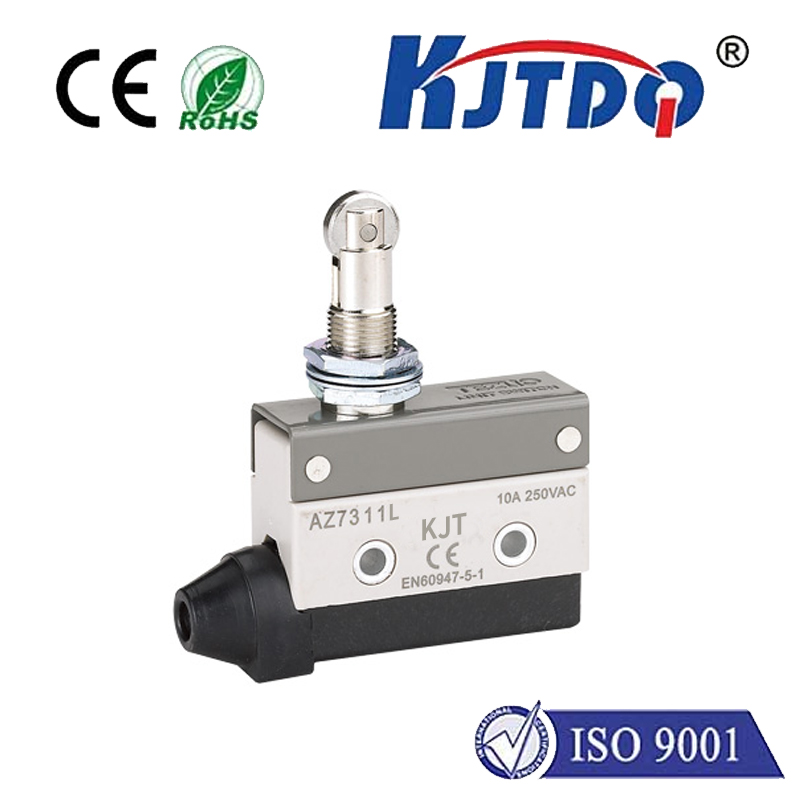
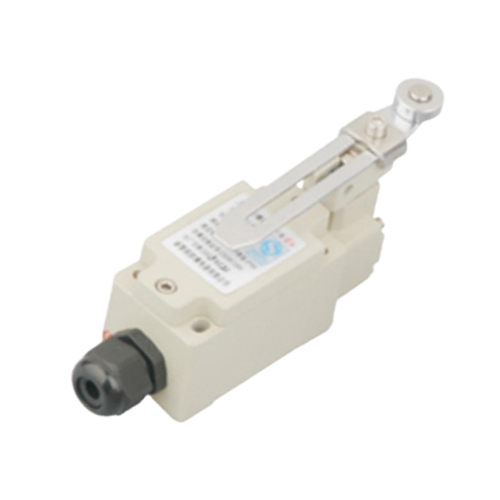
One of the most compelling advantages of utilizing an AC Proximity Sensor like the KJTDQ is its contribution to safety. By enabling non-contact detection, it removes the risk of mechanical failure associated with limit switches and prevents potential sparking in hazardous areas, contributing to a safer workplace. Furthermore, its high-speed response capability allows for the monitoring of rapidly moving parts, such as on high-speed packaging lines or rotary indexing tables, ensuring precise timing and coordination in automated processes. This speed and accuracy directly translate to enhanced production efficiency and reduced material waste.
Installation and integration are straightforward. These sensors are typically designed with standardized mounting threads and come with clear operating distance specifications. It is crucial to consider factors such as the target material (ferrous metals like iron and steel are most easily detected), the required sensing distance, and the electrical specifications of the control system. Proper shielding and installation away from other strong electromagnetic sources are recommended to prevent false triggering. The longevity of an AC Proximity Sensor is a key economic factor. With no moving parts to wear out, the mean time between failures (MTBF) is exceptionally high, offering a superior return on investment compared to mechanical switches.
Applications are vast and varied. In automotive manufacturing, KJTDQ sensors verify the presence of engine blocks on conveyors. In material handling, they detect the position of metal pallets. They are indispensable in machine tools for tool positioning and in automated warehouses for inventory control. Their role in preventive maintenance is also growing, where they can monitor vibration or detect broken teeth on gears by sensing the passing of each tooth. As industries move towards smarter, more connected systems, the data provided by these reliable sensors become integral to the Internet of Things (IoT) ecosystem, feeding information to PLCs and supervisory systems for real-time analytics.
In conclusion, the AC Proximity Sensor, exemplified by the KJTDQ series, is more than just a component; it is a critical enabler of modern industrial automation. Its non-contact operation ensures durability and safety, while its precise detection capabilities enhance efficiency and product quality. For engineers and system integrators seeking to build resilient, high-performance automated systems, understanding and selecting the right proximity sensor is a fundamental step. The continued evolution of this technology promises even greater integration, intelligence, and reliability for the factories of the future.