check

check

check

check
check
check
check
check

check

check
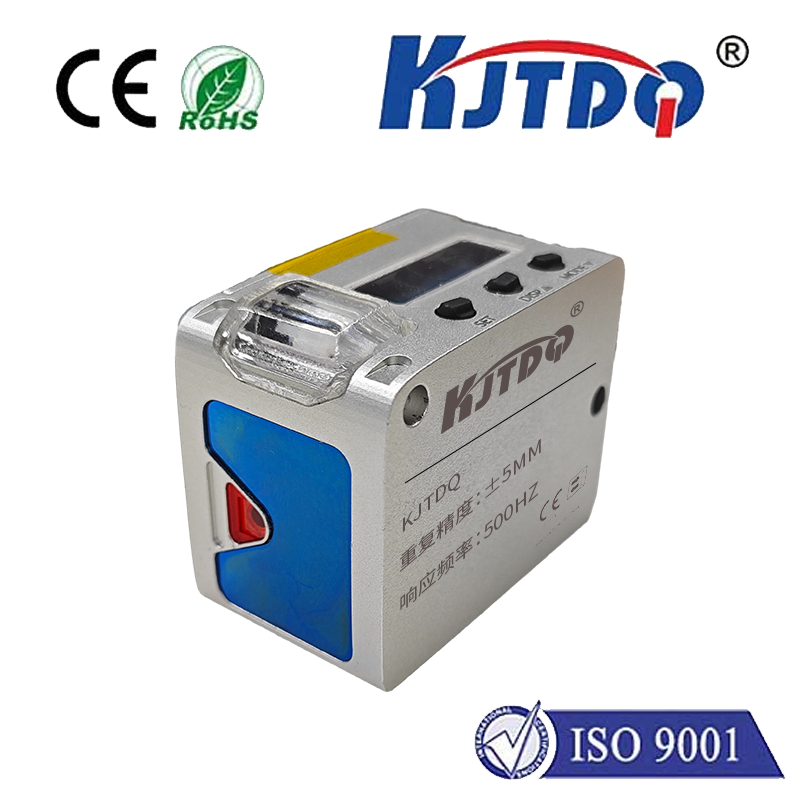
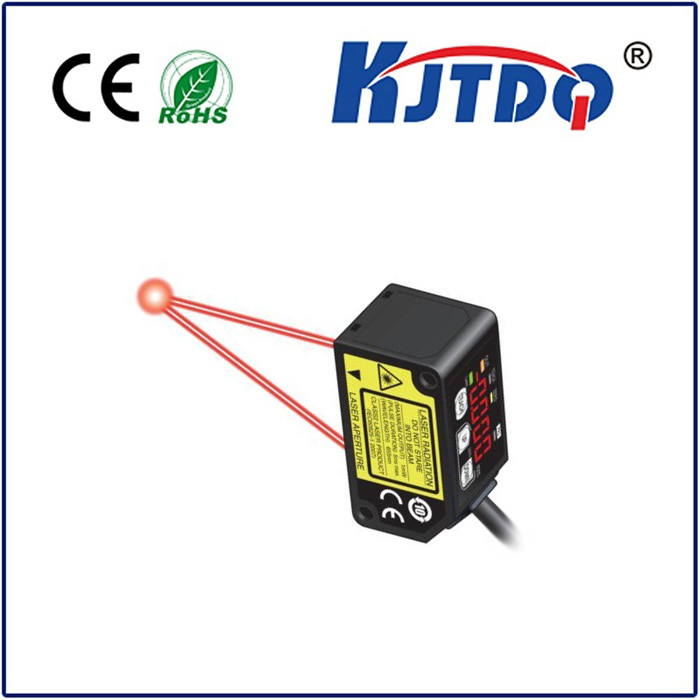
Laser rangefinder sensors have become indispensable tools across a multitude of industries, from construction and surveying to robotics and consumer electronics. These devices operate by emitting a laser beam towards a target and measuring the time it takes for the reflection to return, a method known as Time-of-Flight (ToF). This technology provides precise distance measurements, but like any technology, it comes with its own set of strengths and limitations. Understanding the advantages and disadvantages of laser rangefinder sensors is crucial for selecting the right tool for a specific application.
One of the most significant advantages of laser rangefinders is their exceptional accuracy and precision. They are capable of measuring distances over long ranges with millimeter-level accuracy under ideal conditions. This makes them superior to ultrasonic sensors in environments where pinpoint measurement is critical, such as in topographic surveys, architectural planning, or setting up machinery. The high degree of precision directly translates to improved quality control, reduced material waste, and enhanced safety in complex projects.
Furthermore, laser sensors offer a high measurement speed and excellent directivity. The laser beam is highly focused, allowing it to target specific points without interference from surrounding objects. This focused beam enables measurements of small or hard-to-reach targets that other technologies might miss. The speed of measurement, often in milliseconds, is vital for dynamic applications. In autonomous vehicles, for instance, LiDAR (Light Detection and Ranging) systems, which are advanced arrays of laser rangefinders, scan the environment in real-time to detect obstacles and navigate safely.
Another key benefit is their performance in various lighting conditions. Unlike optical systems that rely on ambient light, laser rangefinders are active sensors that provide their own light source. This allows them to function effectively in complete darkness, bright sunlight, or in environments with rapidly changing light, offering a consistent and reliable performance where vision-based systems might fail.
However, the technology is not without its drawbacks. A primary disadvantage is the high cost. The sophisticated optics, precise laser diodes, and advanced processing electronics involved make high-quality laser rangefinders significantly more expensive than simpler alternatives like ultrasonic or infrared sensors. This cost factor can be a barrier to adoption for budget-conscious projects or for applications requiring multiple sensor units.
Environmental factors pose another major challenge. The performance of laser rangefinders can be severely degraded by adverse weather conditions. Fog, rain, snow, and dust can scatter or absorb the laser beam, leading to inaccurate readings or complete signal loss. Similarly, highly reflective or transparent surfaces, such as glass or polished metal, can cause erroneous measurements because the beam may reflect at an odd angle or pass straight through the target. This limitation requires careful consideration of the operating environment.
Safety is also a concern, particularly with high-powered Class 3B or Class 4 lasers used in industrial or military-grade rangefinders. These lasers can pose a serious risk of eye injury if proper safety protocols are not followed. While most consumer and commercial devices use eye-safe Class 1 lasers, the requirement for safety measures and certifications adds to the complexity and cost of deployment in certain settings.
Finally, laser rangefinders are generally "single-point" measurement devices. While they excel at measuring the distance to one specific point, creating a detailed 3D map requires mechanical scanning (like in rotating LiDAR units) or an array of sensors, which increases complexity and expense. For applications needing broad-area coverage, other sensing modalities might be more efficient.
In conclusion, laser rangefinder sensors offer a powerful combination of accuracy, speed, and directional focus, making them the gold standard for precise distance measurement in controlled environments. Their advantages drive innovation in fields like automation, mapping, and security. However, their disadvantages—including cost, susceptibility to weather, and safety considerations—mean they are not a universal solution. A thorough evaluation of the specific application requirements, environmental conditions, and budget is essential to determine if a laser rangefinder is the optimal choice or if an alternative sensor technology would be more suitable.