check

check

check

check
check
check
check
check

check

check
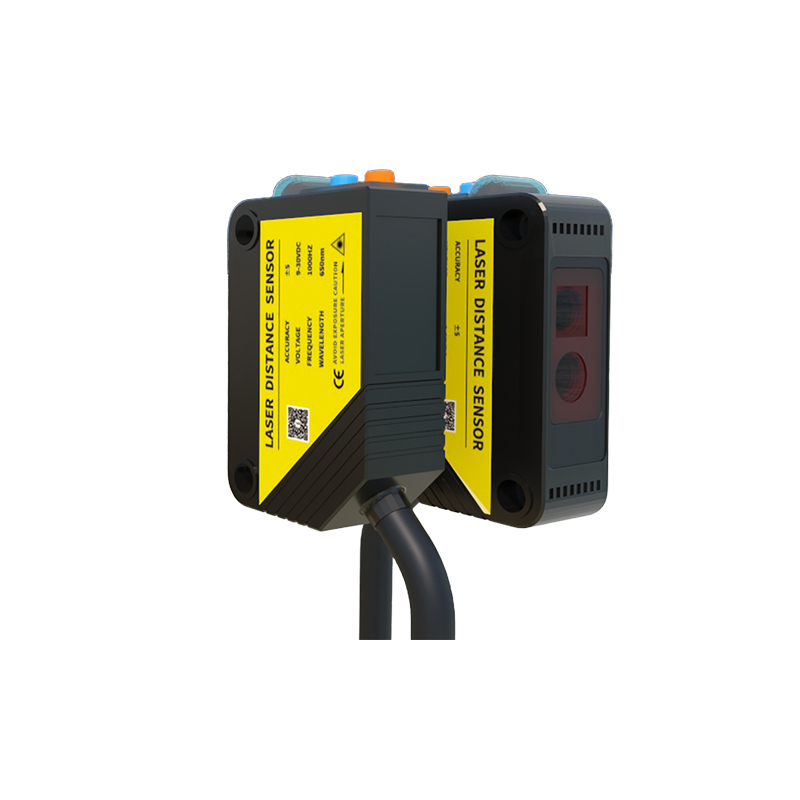
In today's fast-paced technological landscape, the demand for accurate and reliable distance measurement is paramount across numerous industries. From construction and surveying to autonomous vehicles and industrial automation, the ability to precisely gauge range is a critical component of efficiency and safety. This is where the imported laser rangefinder sensor, a sophisticated piece of electro-optical engineering, becomes an indispensable tool. Unlike traditional measuring tapes or ultrasonic sensors, these devices utilize concentrated beams of light to deliver unparalleled accuracy over both short and long distances.
The core technology behind an imported laser rangefinder sensor is based on the time-of-flight principle or phase-shift measurement. Essentially, the sensor emits a focused laser pulse towards a target. The time it takes for that pulse to reflect back to the sensor is meticulously calculated. Since the speed of light is a known constant, the sensor's onboard processor can determine the distance with exceptional precision, often within millimeters. This non-contact method of measurement eliminates errors caused by physical contact or environmental interference that can plague other systems, providing consistent and trustworthy data.
One of the standout advantages of opting for a high-quality imported laser rangefinder sensor is the level of engineering and refinement it often embodies. Manufacturers in regions with longstanding expertise in precision optics and electronics frequently incorporate advanced features. These may include enhanced signal processing algorithms to filter out ambient noise, robust housing rated for IP67 or higher for resistance to dust and water, and integrated communication protocols like RS-232, USB, or Ethernet for seamless integration into larger systems. The build quality ensures stable performance even in challenging conditions, from the vibration of a factory floor to the temperature variations on a construction site.
The applications for these sensors are vast and growing. In the realm of smart manufacturing, they are crucial for positioning robotic arms, monitoring material levels in silos, and ensuring product dimensions on assembly lines. In forestry and agriculture, they assist in mapping terrain and managing resources. For security and traffic management systems, they can monitor vehicle speeds or detect intrusions within a defined perimeter. The advent of autonomous mobile robots and drones has further propelled the need for compact, lightweight, yet powerful laser rangefinder sensors to enable navigation and obstacle avoidance.
When selecting an imported laser rangefinder sensor, several key specifications warrant close attention. The measuring range defines its operational limits, while accuracy and resolution indicate its precision. The laser class (typically Class 1 or Class 2, which are eye-safe) is vital for user safety. Response time, or how quickly the sensor can take and output a measurement, is critical for dynamic applications. Furthermore, considering the operating voltage and output interface ensures compatibility with existing equipment.
Integration is typically straightforward, but it requires an understanding of the sensor's data output format. Most modern sensors offer digital outputs that can be easily read by programmable logic controllers (PLCs), single-board computers like Raspberry Pi, or industrial PCs. This plug-and-play capability, combined with detailed technical documentation commonly provided with imported professional-grade units, allows engineers and technicians to deploy them quickly into a wide array of projects.
In conclusion, the imported laser rangefinder sensor represents more than just a measuring device; it is a gateway to enhanced automation, quality control, and operational intelligence. Its ability to deliver fast, precise, and reliable distance data makes it a cornerstone technology for innovators and industries aiming to optimize processes and develop next-generation solutions. As technology continues to evolve, the role of these precise optical sensors will only expand, solidifying their status as a key component in the toolkit of modern engineering.