check

check

check

check
check
check
check
check

check

check
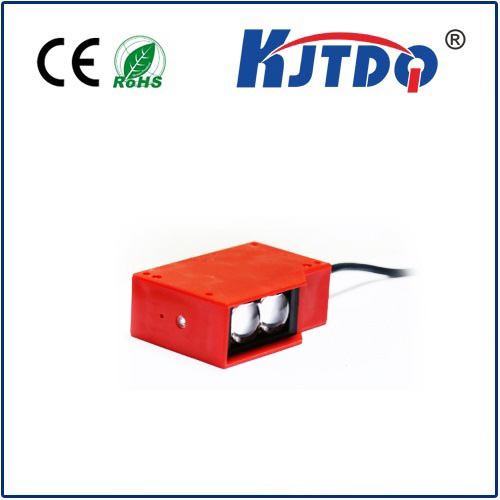
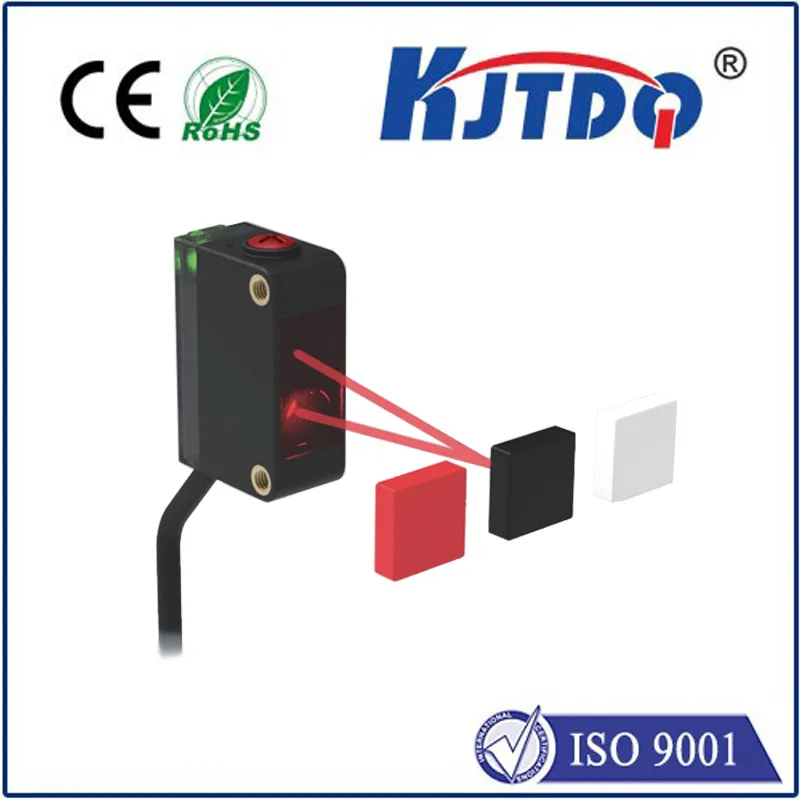
In the realm of precise distance measurement, the 5-meter laser rangefinder sensor stands as a pivotal tool, bridging the gap between theoretical accuracy and practical application. This compact yet powerful device utilizes laser technology to deliver non-contact distance measurements with remarkable precision, typically within a few millimeters over its full range. Its operation is elegantly straightforward: it emits a laser pulse towards a target, calculates the time it takes for the pulse to reflect back, and instantly computes the distance. This principle, known as time-of-flight (ToF), enables rapid, reliable, and highly accurate readings.
The core value of a 5m laser rangefinder sensor lies in its versatility and integration potential. Unlike bulky, standalone rangefinders, these sensors are designed to be embedded into larger systems, acting as the "eyes" for automated processes. In robotics and automation, they are indispensable for navigation, obstacle avoidance, and precise positioning. A robotic arm on an assembly line, for instance, can use this sensor to gauge the exact distance to a component, ensuring perfect placement every time. Similarly, in drone technology, these sensors aid in maintaining stable altitude during low-altitude flights or precision landing sequences.
Beyond manufacturing, the applications proliferate. In the burgeoning field of smart devices and the Internet of Things (IoT), the 5m laser rangefinder sensor enables new levels of interactivity. Imagine a smart trash bin that opens automatically when your hand is within a certain proximity, or interactive digital signage that changes content based on a user's distance. These are not futuristic concepts but present-day implementations powered by this precise sensing technology. Furthermore, in logistics and warehousing, these sensors contribute to inventory management by measuring the size of packages or monitoring stock levels on shelves, streamlining operations and reducing human error.
The technical specifications of a quality 5m laser rangefinder sensor are critical for its performance. Key parameters include measurement accuracy, response time, operating temperature range, and output interface. Modern sensors often feature digital interfaces like I2C, UART, or PWM, making them easily compatible with popular microcontrollers such as Arduino, Raspberry Pi, or industrial PLCs. This plug-and-play capability significantly reduces development time for engineers and hobbyists alike. Power consumption is another vital consideration, especially for battery-powered portable applications. Advanced models are engineered for low-power operation without sacrificing measurement speed or accuracy.
Environmental robustness is a non-negotiable feature for industrial-grade sensors. A reliable 5m laser rangefinder must perform consistently under varying conditions of ambient light, dust, and minor vibrations. The laser class (typically Class 1 or Class 2) ensures the device is eye-safe for general use, a crucial factor for widespread deployment. The housing is often designed to be rugged, providing protection against minor impacts and ingress from dust or moisture, ensuring longevity in demanding environments.
For developers and integrators, implementing this sensor involves more than just hardware connection. Software libraries and clear documentation provided by manufacturers are essential for quick prototyping and troubleshooting. Calibration procedures, though often minimal, ensure the sensor maintains its specified accuracy over time and across different target surfaces, as reflectivity can affect the measurement. Dark, absorbent surfaces may require specific calibration compared to bright, reflective ones.
Looking ahead, the role of the 5m laser rangefinder sensor is set to expand. As industries push further towards automation, smart cities, and advanced human-machine interfaces, the demand for reliable, mid-range distance sensing will only grow. Its ability to provide a critical data point—distance—with high speed and reliability makes it a fundamental building block in the architecture of modern technological systems. From enabling safer autonomous guided vehicles (AGVs) in factories to creating more intuitive consumer electronics, this sensor is a quiet enabler of innovation, proving that sometimes, the most impactful technologies are those that perform a single, precise function exceptionally well.