check

check

check

check
check
check
check
check

check

check
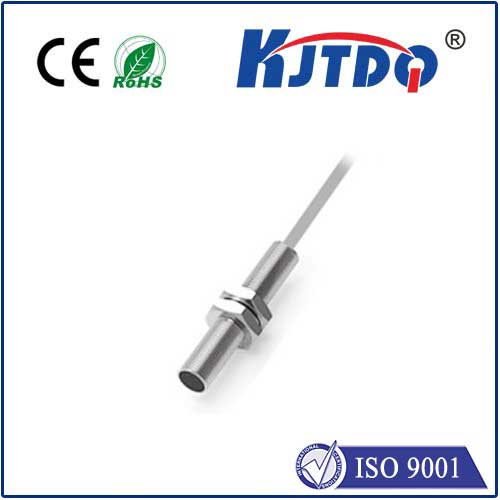
In the demanding world of modern industry, where furnaces roar, molten metal flows, and machinery operates at its thermal limits, conventional measurement tools often fail. Standard sensors can falter, delivering inaccurate data or suffering catastrophic failure when exposed to intense heat. This is where the high-temperature resistant laser rangefinder sensor, specifically the KJTDQ model, becomes an indispensable asset. Engineered to thrive where others cannot, this advanced sensor redefines precision measurement in the most hostile thermal conditions.
The core innovation of the KJTDQ high-temperature resistant laser rangefinder lies in its multi-layered defense system against heat. Unlike standard units, its external housing is constructed from specialized aerospace-grade alloys and ceramics that provide exceptional thermal insulation and structural integrity. This robust shell protects the sensitive internal optics and electronics from radiant heat and ambient high temperatures that can exceed 300°C (572°F) in many industrial settings. Furthermore, an integrated active cooling system, often utilizing a closed-loop air or micro-channel liquid cooling mechanism, works continuously to maintain the internal core components at their optimal operating temperature. This combination of passive and active thermal management ensures consistent performance and longevity.
Precision is non-negotiable in processes like steel casting, glass manufacturing, or cement production. The KJTDQ sensor utilizes a highly stable Class 1 or Class 2 laser diode, calibrated to maintain its wavelength accuracy despite thermal fluctuations. It employs advanced time-of-flight or phase-shift measurement principles, processed by a thermally compensated algorithm. This algorithm actively corrects for any minor signal drift induced by temperature, guaranteeing measurement accuracy within sub-millimeter ranges even when the sensor's exterior is subjected to extreme heat. This reliability allows for real-time monitoring of material levels in hot silos, precise positioning of ladles in foundries, and accurate thickness measurement of red-hot rolled sheets, directly enhancing product quality and reducing waste.
Durability and minimal maintenance are critical for sensors in harsh environments. The KJTDQ model is designed with these principles at its core. Its optical window is made from sapphire or a specially coated quartz, materials renowned for their high melting point and resistance to thermal shock and dust accumulation. The sensor is hermetically sealed to IP67 or higher standards, protecting it not only from heat but also from industrial dust, moisture, and chemical vapors. This rugged design translates to significantly reduced downtime. Facilities can rely on continuous operation without the frequent need for cooling-off periods, replacements, or recalibrations required by lesser sensors, leading to substantial gains in operational efficiency and cost savings.
The practical applications for the KJTDQ high-temperature resistant laser rangefinder sensor are vast and transformative. In the metals industry, it enables precise distance control for robotic arms handling molten metal, improving safety and yield. In power generation, it monitors coal or biomass levels in high-temperature hoppers. In automotive manufacturing, it guides processes in paint-drying ovens and heat-treatment furnaces. In glassworks, it ensures the precise positioning of glass sheets during tempering. By providing reliable, non-contact measurement data in these extreme conditions, the KJTDQ sensor empowers industries to automate more processes, enhance safety protocols by keeping personnel away from heat sources, and implement data-driven optimizations for energy consumption and production throughput.
Implementing the KJTDQ sensor is a strategic decision for forward-thinking operations. It integrates seamlessly with existing industrial control systems via standard protocols like 4-20mA analog output, RS-485, or Ethernet/IP. Its design often includes intuitive software for easy configuration, calibration, and diagnostics. Choosing the KJTDQ is not merely purchasing a sensor; it is investing in a pillar of stability and precision for your most critical high-temperature processes. It represents a commitment to operational excellence, safety, and technological advancement, ensuring that your measurement capabilities are as resilient and robust as your industrial ambitions.