check

check

check
check
check
check
check
check

check

check
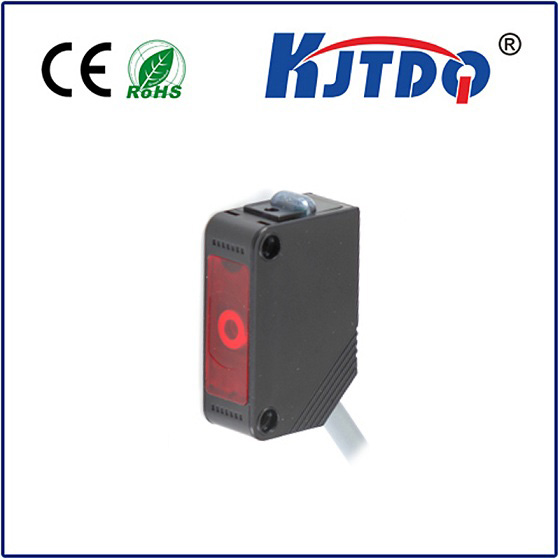
In the realm of industrial automation, robotics, and advanced measurement, achieving pinpoint accuracy is not just a goal—it's a fundamental requirement. This is where the high-precision laser distance sensor emerges as a transformative technology. Unlike conventional measurement tools, these sensors harness the power of focused laser light to deliver non-contact, rapid, and exceptionally accurate distance data. The core principle involves emitting a laser beam towards a target. The sensor then analyzes the reflected light, most commonly using time-of-flight or phase-shift measurement techniques, to calculate the distance with micron-level precision. This capability makes them indispensable in environments where mechanical contact is impossible, undesirable, or could compromise the integrity of the object being measured.
The advantages of integrating a high-precision laser distance sensor into a system are profound. First and foremost is their unparalleled accuracy and repeatability. They eliminate human error associated with manual tools like calipers or tape measures, providing consistent, reliable data stream. Their non-contact nature is another critical benefit, allowing for the measurement of delicate, hot, moving, or otherwise inaccessible surfaces without causing any wear or damage. Furthermore, modern laser sensors offer incredibly high sampling rates, enabling real-time monitoring and control in dynamic processes. This speed, combined with their long operational range and minimal beam divergence, allows for flexible installation and measurement over considerable distances.
The applications for high-precision laser distance sensors are vast and continuously expanding. In manufacturing, they are pivotal for quality control, performing tasks like thickness gauging of materials, weld seam inspection, and component positioning on assembly lines. The robotics industry relies on them for precise navigation, object avoidance, and bin-picking operations, where understanding the exact position of an item is crucial. In the construction and civil engineering sectors, these sensors facilitate deformation monitoring, alignment checks, and volume calculations with exceptional fidelity. Emerging fields such as autonomous vehicles utilize them as a key component of LiDAR systems for creating detailed 3D environmental maps.
Selecting the right high-precision laser distance sensor requires careful consideration of several technical parameters. Key specifications include measuring range, which defines the minimum and maximum distances the device can handle. Resolution indicates the smallest distance change the sensor can detect, while linearity error defines the maximum deviation from a perfect straight-line output across its entire range. The response time or measurement frequency dictates how quickly the sensor can update its readings, a vital factor for high-speed applications. Environmental factors like ambient light, temperature fluctuations, and the target surface's color or reflectivity can also impact performance, making it essential to choose a sensor with robust compensation algorithms or protective housing suited for the operational environment.
Looking ahead, the evolution of high-precision laser distance sensors is geared towards even greater integration, intelligence, and miniaturization. Future iterations will feature enhanced connectivity through Industrial IoT protocols, allowing for seamless data integration into cloud-based analytics platforms. On-board processing capabilities will grow, enabling sensors to perform preliminary data analysis and make basic decisions at the edge. Advancements in laser diode and receiver technology will continue to push the boundaries of accuracy, speed, and cost-effectiveness, opening doors to new applications in sectors like micro-electronics assembly and biomedical engineering. As industries worldwide strive for higher efficiency and smarter automation, the high-precision laser distance sensor stands as a cornerstone technology, delivering the exact data needed to drive innovation, ensure quality, and optimize complex processes with confidence.