check

check

check
check
check
check
check
check

check

check
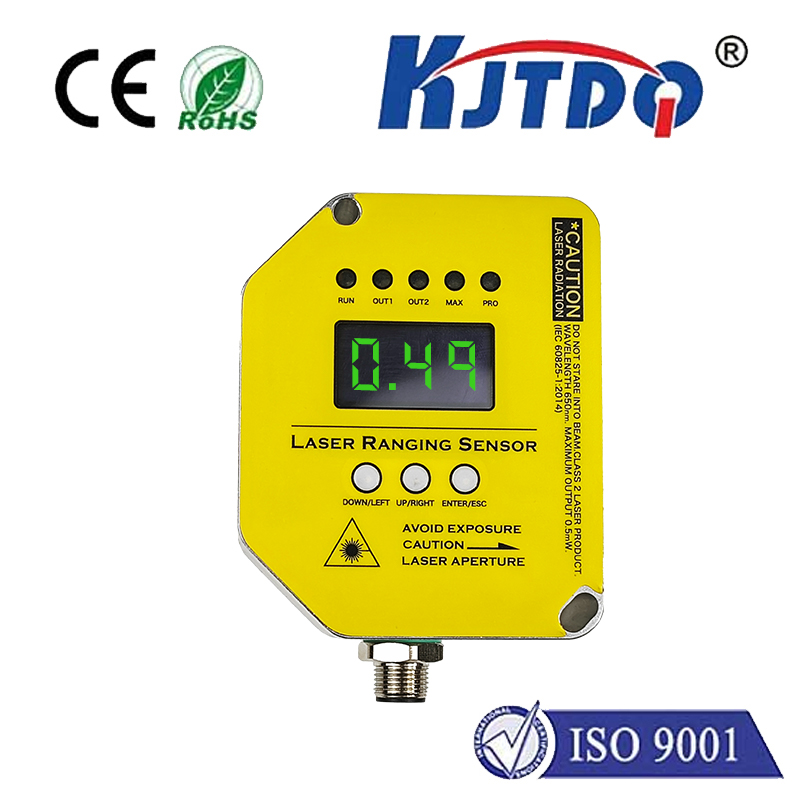
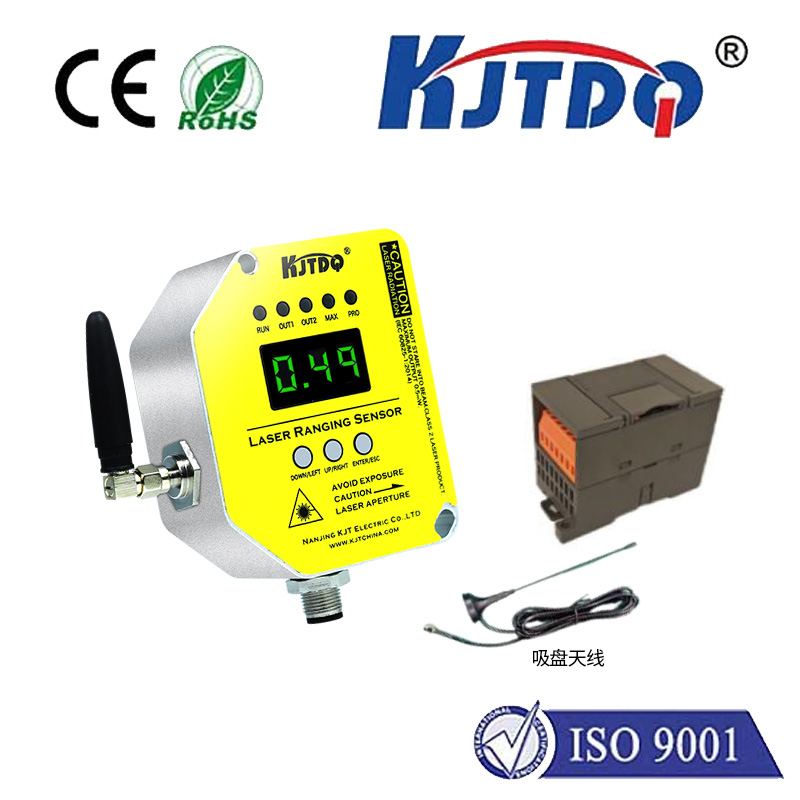
In the world of industrial automation, logistics, and advanced robotics, the demand for reliable, high-precision distance measurement is non-negotiable. Enter the Sick laser rangefinder sensor, a cornerstone technology that has redefined accuracy, speed, and robustness in countless applications. This guide delves into the core technology, key benefits, and diverse use cases of these sophisticated devices, explaining why they are a preferred choice for engineers and system integrators globally.
At its heart, a Sick laser rangefinder sensor operates on the principle of time-of-flight (ToF) or phase-shift measurement. It emits a focused laser pulse towards a target. The sensor then precisely calculates the time it takes for the reflected light to return. Using the constant speed of light, it determines the distance with exceptional accuracy, often down to the millimeter level. Sick engineers this process with high-quality optics and advanced signal processing algorithms to ensure consistent performance even in challenging environments with varying surface colors, textures, or ambient light.
The advantages of integrating a Sick laser rangefinder are manifold. First and foremost is precision. Whether measuring the height of a stack on a pallet, positioning a robotic arm, or monitoring the fill level in a silo, the sensor delivers repeatable and accurate data. This reliability is crucial for process optimization and quality control. Secondly, these sensors offer remarkable speed. They can take thousands of measurements per second, enabling real-time monitoring and control in high-speed production lines or dynamic material handling systems.
Durability is another hallmark. Sick designs its sensors to withstand the rigors of industrial settings. They typically feature robust housings with high ingress protection (IP) ratings, making them resistant to dust, moisture, and mechanical shocks. This built-in toughness translates to reduced downtime and lower total cost of ownership. Furthermore, modern Sick laser sensors are often equipped with intelligent features like programmable switching outputs, analog outputs (4-20 mA or 0-10 V), and various communication interfaces (IO-Link, PROFINET, Ethernet/IP). This connectivity allows for seamless integration into Industry 4.0 and IoT frameworks, enabling predictive maintenance and data-driven decision-making.
The application spectrum for Sick laser rangefinder sensors is vast. In logistics and warehousing, they are indispensable for dimensioning packages, controlling conveyor belt systems, and guiding automated guided vehicles (AGVs). In the automotive industry, they ensure precise positioning of components during assembly. In building automation, they monitor parking space occupancy or control door systems. They also play a critical role in agricultural machinery for guidance and control, and in mobile machinery for obstacle detection and load monitoring.
Selecting the right model depends on specific requirements such as measuring range, resolution, response time, and the required housing form. Sick offers a comprehensive portfolio, from compact models for tight spaces to long-range sensors for extensive areas. Proper installation and alignment are key to optimal performance, and Sick provides extensive technical documentation and support to ensure successful implementation.
In conclusion, the Sick laser rangefinder sensor represents more than just a measuring device; it is an enabler of efficiency, safety, and automation. By providing exact, real-world spatial data, it forms the sensory foundation upon which intelligent systems are built. For any project demanding unwavering accuracy and reliability in distance measurement, specifying a Sick laser sensor is a strategic step toward achieving operational excellence and future-proofing industrial processes.