check

check

check

check

check

check
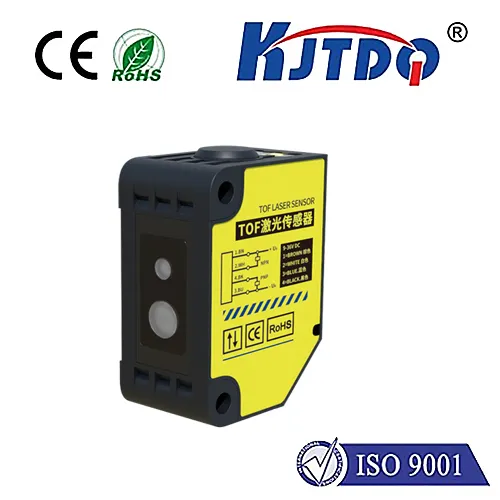
In the rapidly evolving landscape of industrial automation and smart systems, the demand for sensors that offer both precision and durability has never been higher. Among the critical components driving this technological advancement is the long-range photoelectric induction switch. This sophisticated device stands as a cornerstone in modern control systems, enabling non-contact detection of objects over considerable distances with remarkable accuracy. Unlike traditional mechanical switches or shorter-range sensors, the long-range photoelectric switch operates on the principle of light beam modulation, typically using infrared, laser, or visible light. A transmitter emits a focused light beam, and a receiver detects its presence or interruption. When an object passes through this beam, it modulates the light signal—either by reflecting it back to the receiver (retro-reflective or diffuse mode) or by breaking the beam between separate transmitter and receiver units (through-beam mode). This change triggers an electrical signal, which can then be used to control machinery, count items, or signal an event.
The core advantage of the "long-range" capability cannot be overstated. These switches can reliably detect objects from several meters up to hundreds of meters away, depending on the model and technology. This makes them indispensable in applications where physical contact is impossible or undesirable, such as in harsh environments with extreme temperatures, dust, moisture, or corrosive substances. For instance, in large-scale material handling warehouses, long-range photoelectric sensors monitor the movement of goods on high conveyor belts without any risk of mechanical wear. In the automotive industry, they ensure precise positioning of vehicle bodies along assembly lines. Furthermore, in agricultural automation, they can detect the presence of equipment or crops across vast fields, facilitating efficient resource management.
The technological heart of these switches lies in their advanced optics and signal processing. High-quality lenses focus the light beam to maintain intensity over long distances, while sophisticated circuitry filters out ambient light interference, such as sunlight or factory lighting, ensuring false triggers are minimized. Modern iterations often incorporate digital displays and programmable logic, allowing engineers to fine-tune sensing parameters like sensitivity, response time, and output delay directly on the device. This programmability translates to incredible flexibility, enabling a single sensor model to be deployed in diverse scenarios, from packaging lines to outdoor security perimeters.
Reliability and longevity are paramount. These switches are engineered with robust housings, often rated IP67 or higher, providing resistance against water and dust ingress. The use of solid-state components means there are no moving parts to wear out, leading to a significantly longer operational life compared to mechanical limit switches. This reduces maintenance costs and system downtime, a critical factor for continuous production environments. When selecting a long-range photoelectric induction switch, key specifications to consider include sensing range, light source type, response speed, output configuration (e.g., NPN/PNP transistor, relay), and environmental protection rating. Proper alignment during installation is crucial for through-beam types, while reflective types require consideration of the target object's surface properties.
The integration of these sensors into the Internet of Things (IoT) and Industry 4.0 frameworks is the next frontier. Smart photoelectric switches with IO-Link or Ethernet connectivity can transmit not just a simple on/off signal but also diagnostic data, such as lens contamination levels or signal strength, enabling predictive maintenance. This transforms them from mere detection devices into intelligent nodes within a networked system, contributing to data-driven decision-making and overall operational efficiency.
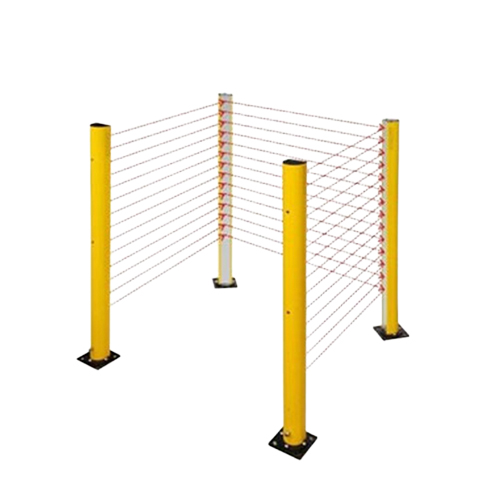
From automating parking garage entry systems to safeguarding hazardous areas in manufacturing plants, the applications are virtually limitless. The long-range photoelectric induction switch is more than just a component; it is an enabler of smarter, safer, and more efficient automated processes. Its ability to provide consistent, non-contact sensing over extended distances solves complex challenges across logistics, manufacturing, security, and beyond. As technology progresses, we can expect these switches to become even more integrated, intelligent, and essential to the automated ecosystems of the future, solidifying their role as a fundamental pillar in the world of industrial sensing and control.