check

check

check

check

check

check
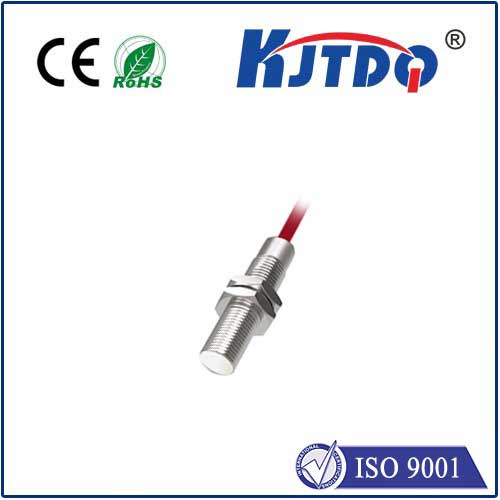
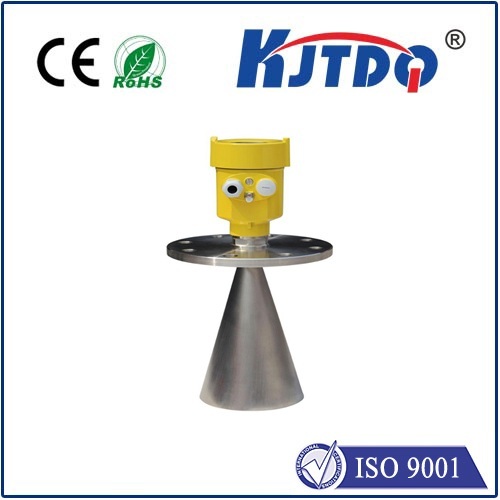
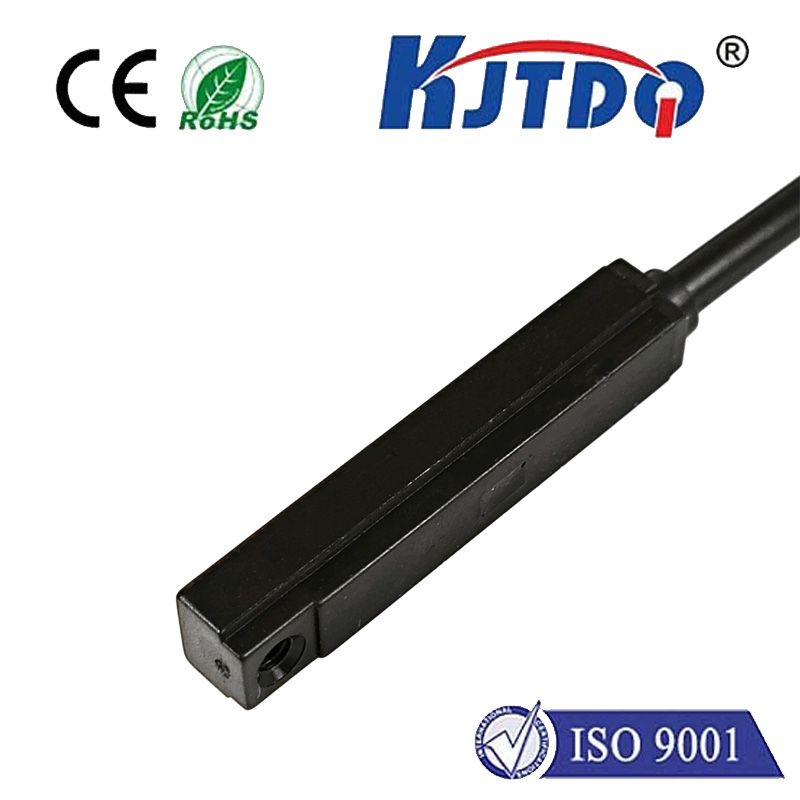
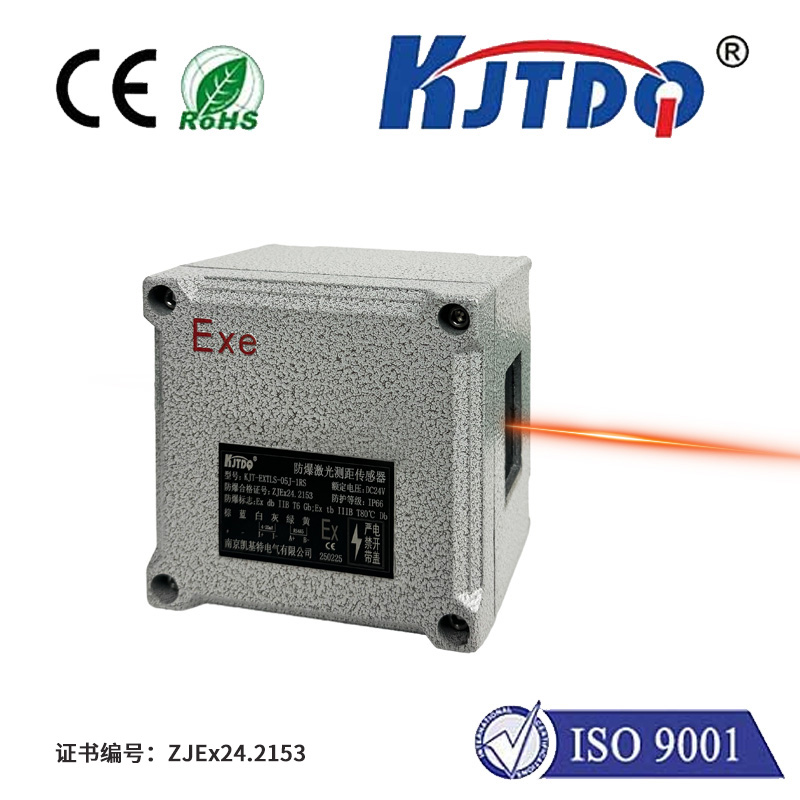
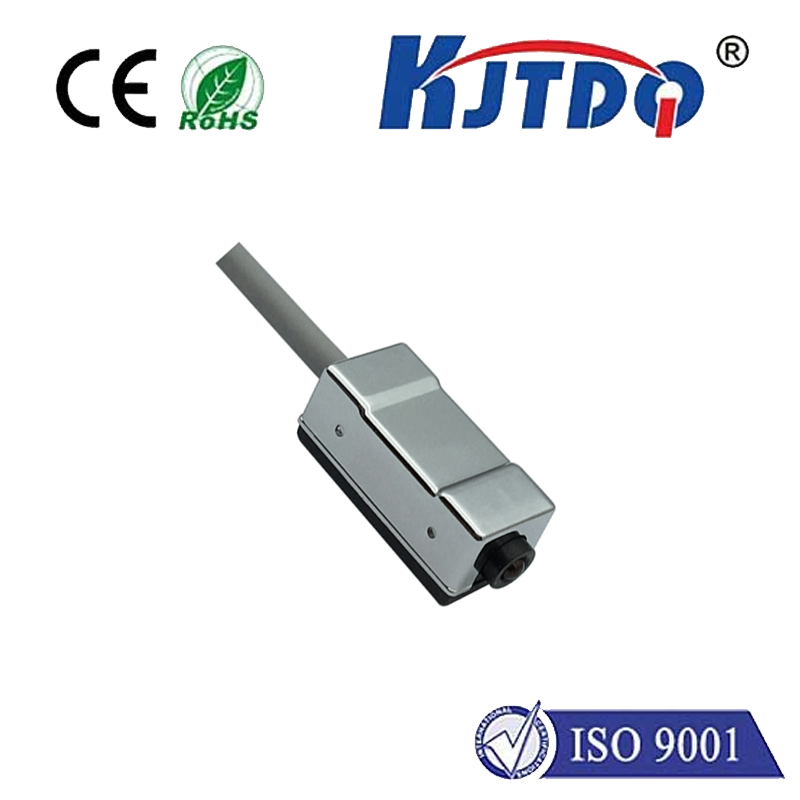
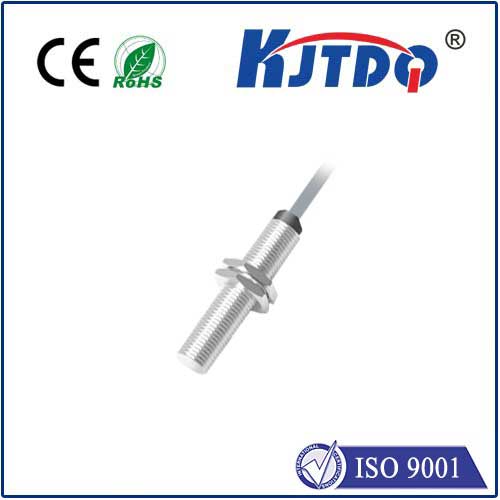
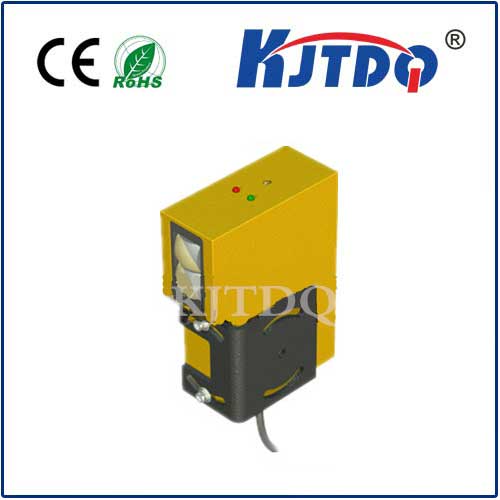
In the world of industrial automation, process control, and robotics, accurate distance measurement is not a luxury—it's a fundamental requirement. The KJTDQ industrial-grade infrared rangefinder sensor stands as a robust solution engineered to deliver reliable, non-contact measurement in the most challenging conditions. Unlike consumer-grade devices, this sensor is built from the ground up to withstand the rigors of factory floors, outdoor installations, and continuous operation.
The core technology behind the KJTDQ sensor is based on the time-of-flight (ToF) principle using modulated infrared light. It emits a beam of infrared light towards a target object. The sensor then precisely measures the time it takes for the reflected light to return. This data is processed by an advanced onboard microcontroller to calculate the distance with high accuracy. This method provides significant advantages over ultrasonic sensors, which can be affected by air temperature and humidity, and over laser triangulation sensors, which may struggle with certain surface materials.
What truly defines an industrial-grade sensor is its performance under pressure. The KJTDQ unit is housed in a rugged, typically metal or high-strength polymer casing rated for IP67 or higher. This ensures complete protection against dust ingress and the ability to withstand temporary immersion in water. It operates reliably across a wide temperature range, from freezing cold storage facilities to hot manufacturing plants near machinery. Electrical noise is a constant challenge in industrial settings, so these sensors incorporate shielding and filtering to maintain signal integrity, preventing false readings from nearby motors, drives, or welding equipment.
The applications for a sensor of this caliber are vast and critical. In automated guided vehicles (AGVs) and autonomous mobile robots (AMRs), it provides essential collision avoidance and navigation data, allowing for safe movement around dynamic obstacles. On production lines, it is used for precise positioning of components, verifying the presence of parts on a conveyor, or controlling the fill level in tanks and silos. In logistics, it enables pallet dimensioning and warehouse inventory management by accurately measuring the size and position of goods.
Integration is streamlined through multiple output options. Most industrial-grade infrared rangefinders, including the KJTDQ series, offer analog outputs (4-20mA or 0-10V), digital interfaces (like RS-485 or IO-Link), and sometimes discrete switching outputs. This flexibility allows them to connect seamlessly with Programmable Logic Controllers (PLCs), human-machine interfaces (HMIs), and industrial data acquisition systems. The analog signal provides a continuous distance reading, while digital protocols enable advanced diagnostics, parameter configuration, and integration into Industry 4.0 smart factory networks.
Selecting the right sensor involves careful consideration of several key specifications. The measuring range must suit the application, whether it's a short 0.1-2 meter range for precise robotic arm guidance or a longer 0.5-30 meter range for warehouse navigation. Accuracy and resolution determine how fine the measurements are, critical for quality control tasks. The response time, or how quickly the sensor updates its reading, is vital for high-speed automation. Finally, the beam pattern—whether it's a precise spot or a wider field—affects how it interacts with different target sizes and surfaces.
For engineers and system integrators, the reliability of measurement data directly impacts operational efficiency, safety, and product quality. A sensor failure can lead to costly downtime, production errors, or even safety incidents. The KJTDQ industrial infrared rangefinder is designed to be a dependable component in this ecosystem. Its construction prioritizes long-term stability, minimal drift over time and temperature, and consistent performance, ensuring that the data feeding into control systems is trustworthy day after day.
In conclusion, as industries push for greater automation, efficiency, and data-driven decision-making, the role of precise, robust sensing becomes ever more central. The KJTDQ industrial-grade infrared rangefinder sensor represents a critical tool in this evolution, providing the eyes for machines to understand their environment accurately and reliably. By choosing a sensor engineered for industrial duty, businesses invest in the foundational layer of a smarter, safer, and more productive operation.