check

check

check

check

check

check
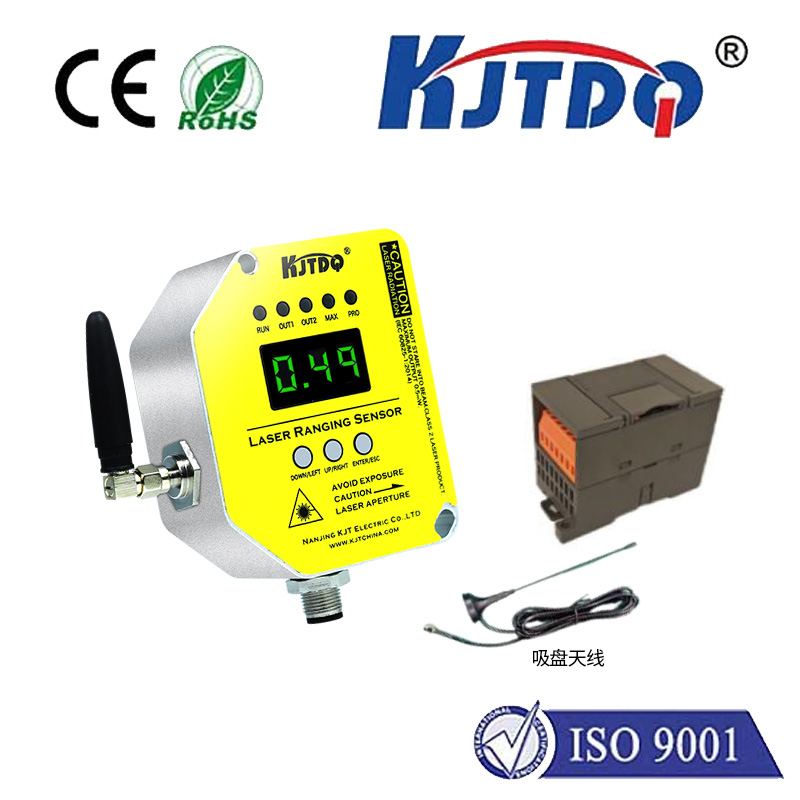
In the world of precision measurement and automation, the laser rangefinder sensor stands as a critical component. Whether you're engineering an autonomous vehicle, setting up industrial robotics, or developing advanced surveying equipment, selecting the right sensor is paramount. This guide delves into the key factors to consider before you purchase a laser rangefinder sensor, ensuring your investment delivers the accuracy and reliability your application demands.
The first and most crucial specification is measurement range. Sensors are designed for specific distance windows, from short-range models handling a few centimeters to long-range units capable of measuring several hundred meters. It's essential to define the minimum and maximum distances your project requires, adding a comfortable margin for operational variance. Closely tied to range is accuracy, typically expressed in millimeters or even smaller units. High-precision applications like semiconductor manufacturing or archaeological preservation demand sensors with sub-millimeter accuracy, while logistics automation might tolerate a slightly broader tolerance. Understanding the acceptable error margin for your task prevents overspending on unnecessary precision or compromising your project's integrity.
Another vital consideration is the operating environment. Will the sensor be used indoors in a controlled setting or outdoors exposed to sunlight, rain, and temperature fluctuations? Environmental factors like ambient light, dust, fog, and reflective surfaces can significantly impact performance. For harsh conditions, look for sensors with high IP (Ingress Protection) ratings for dust and water resistance, along with robust housings. The type of target material also matters; dark, matte, or transparent surfaces absorb or scatter laser light, potentially reducing effective range or causing measurement errors compared to bright, opaque surfaces. Many modern sensors feature advanced algorithms to compensate for these challenging targets.
The interface and output format are the languages your sensor uses to communicate with the rest of your system. Common interfaces include analog voltage/current, serial communication (RS-232, RS-485), and modern digital protocols like USB or Ethernet. Some sensors offer switched outputs for simple threshold detection. Choose an interface that seamlessly integrates with your existing PLC, microcontroller, or data acquisition system to avoid complex and costly adapters. Also, consider the required measurement speed or update rate. A robotic arm on a fast assembly line needs a sensor with a high sampling rate to provide real-time feedback, whereas a static inventory scanning system can operate effectively with a slower update cycle.
Finally, look beyond the basic specifications to features that enhance usability and longevity. Built-in temperature compensation maintains accuracy across varying thermal conditions. Advanced models may offer programmable measurement modes, data averaging for stable readings, or software development kits (SDKs) for custom integration. The physical size and mounting options must fit your design constraints. Always evaluate the manufacturer's reputation for quality, the availability of comprehensive technical support, and the warranty terms. A reliable supplier with strong application engineering support can be invaluable during integration and troubleshooting.
Purchasing a laser rangefinder sensor is not merely a transaction for a component; it's an investment in the foundational data that drives your system's intelligence and performance. By meticulously evaluating your application's specific needs against these parameters—range, accuracy, environment, interface, and added features—you can make a confident, informed decision. The correct sensor choice ensures robust performance, reduces long-term maintenance costs, and ultimately contributes to the success and innovation of your technological project.