check

check

check

check

check

check
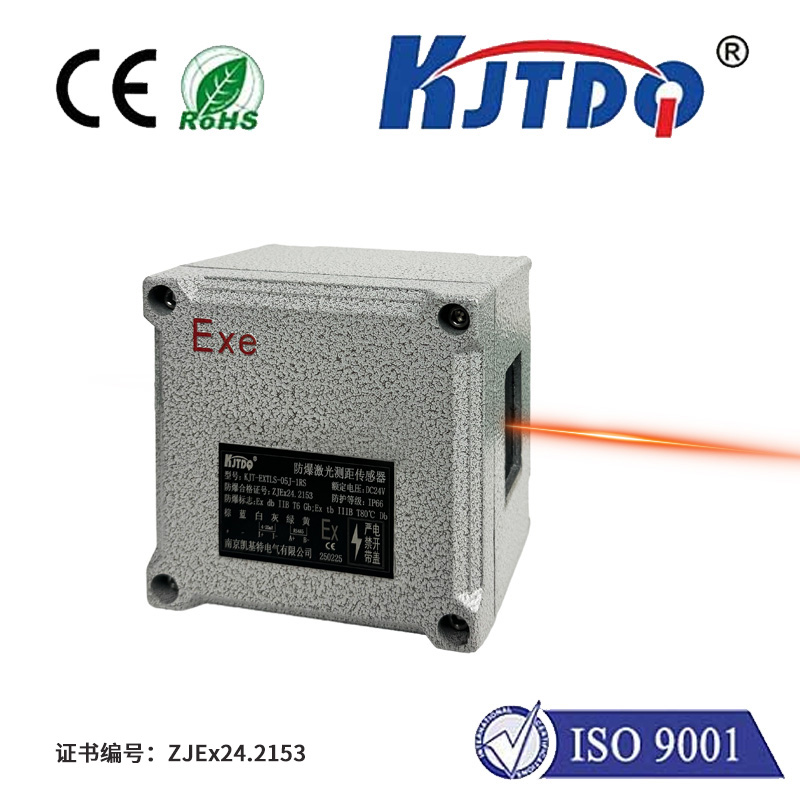
In the demanding world of modern industry, accuracy over vast distances is not a luxury—it's a necessity. From sprawling construction sites and expansive mining operations to critical infrastructure monitoring and large-scale agricultural planning, the ability to measure with pinpoint precision from hundreds or even thousands of meters away is a game-changer. This is where the long-range industrial laser rangefinder steps in, transforming complex measurement challenges into simple, reliable data points.
Unlike conventional measuring tapes or short-range devices, a long-range industrial laser rangefinder utilizes a highly focused beam of light to calculate distance. The device emits a laser pulse towards a target. A sophisticated sensor then detects the reflection of that pulse. By precisely calculating the time it takes for the light to travel to the target and back, the instrument computes the distance with remarkable accuracy. Advanced models incorporate technologies like phase-shift analysis or multiple pulse averaging to enhance performance in various environmental conditions, ensuring reliability where it matters most.
The applications for this technology are vast and critical. In construction and civil engineering, these tools are indispensable for site surveys, grading plans, and monitoring structural deformations on bridges or dams from a safe distance. In the mining and quarrying sector, they are used to calculate stockpile volumes, monitor slope stability, and plan extraction activities with enhanced safety and efficiency. Forestry management employs them to measure tree heights and plot densities, while agricultural professionals use them for land leveling and irrigation system planning over large fields. Furthermore, they play a vital role in power line inspection, wind turbine blade monitoring, and even in certain manufacturing settings where large-scale spatial verification is required.
Selecting the right long-range industrial laser rangefinder requires careful consideration of several key specifications. The maximum range is paramount; industrial units typically start from several hundred meters and can extend beyond several kilometers, but the effective range can be influenced by target reflectivity and atmospheric conditions. Measurement accuracy, often within a few millimeters or centimeters, is crucial for precision tasks. Durability is non-negotiable; look for devices with robust, often IP-rated housings that resist dust, water, and shock to withstand harsh job sites. Additional features like integrated Bluetooth for data transfer to tablets or management software, a high-resolution visual display often with digital zoom, tilt sensors for height calculations, and robust software suites for data management significantly enhance productivity and integration into digital workflows.
The operational advantages are clear. These devices dramatically increase efficiency by reducing the time and labor required for large-scale measurements. They enhance safety by allowing workers to take measurements from a safe, stationary position, avoiding hazardous terrain or unstable structures. The digital data output minimizes human error associated with manual recording and enables seamless integration with Building Information Modeling (BIM), Geographic Information Systems (GIS), and other project management platforms, creating a more connected and data-driven worksite.
To ensure optimal performance and longevity, proper handling is essential. Always use the device according to the manufacturer's guidelines, paying particular attention to laser safety classifications. Regular cleaning of the lens with appropriate materials is necessary to maintain signal strength. While the instruments are built to be tough, avoiding extreme impacts and storing them in a protective case when not in use will preserve their calibration and functionality. Periodic professional servicing is recommended to maintain peak accuracy.
As industries continue to embrace digital transformation and the Internet of Things (IoT), the role of the long-range industrial laser rangefinder is evolving. Future iterations will likely feature even greater integration with autonomous drones for aerial surveying, enhanced connectivity for real-time data streaming to cloud platforms, and more advanced onboard processing for instant 3D modeling. The core promise remains: delivering unparalleled distance measurement accuracy to empower smarter decisions, foster safer worksites, and drive productivity in large-scale industrial endeavors.