check

check

check

check

check

check
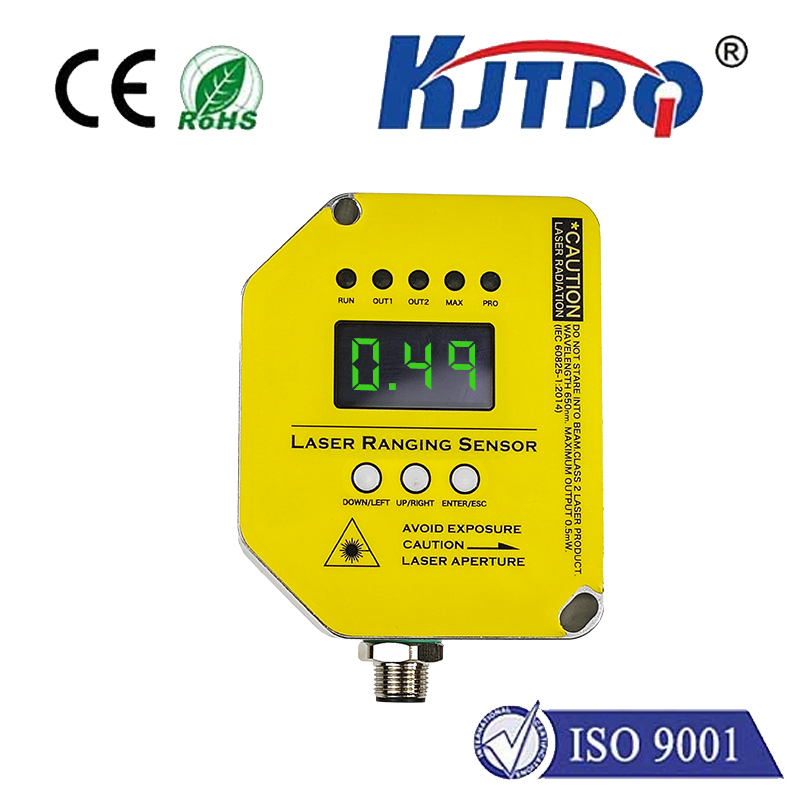
In industries where safety is not just a priority but a non-negotiable requirement, the integration of advanced technology must go hand-in-hand with robust protective measures. The Explosion-proof Laser Rangefinder Sensor represents a critical evolution in measurement technology, specifically engineered to deliver unparalleled accuracy in environments where flammable gases, vapors, or combustible dusts are present. Unlike standard laser sensors, these specialized devices are encased in housings designed to contain any internal explosion and prevent the ignition of the surrounding hazardous atmosphere. This makes them indispensable assets in sectors such as oil and gas refining, chemical processing, mining, and grain handling.
The core technology hinges on the time-of-flight principle, where a laser pulse is emitted towards a target, and the sensor precisely calculates the distance based on the time it takes for the reflection to return. What sets the explosion-proof variant apart is its meticulous construction. The housing is typically made from durable materials like stainless steel or cast aluminum, featuring flame paths or threaded joints that cool any escaping gases from an internal fault below the ignition temperature of the external atmosphere. This design complies with stringent international certification standards such as ATEX in Europe, IECEx internationally, and Class/Division systems in North America. Operators can thus obtain precise distance, position, and level measurements of materials, equipment, or structures without sparking a catastrophic event.
The applications are vast and vital. In tank level monitoring at a petrochemical plant, these sensors provide continuous, non-contact measurement of volatile liquids, eliminating the need for manual dipping and reducing worker exposure to danger. On mining conveyors, they ensure proper material volume and prevent overflow in areas with combustible coal dust. During the construction of facilities in hazardous zones, they enable accurate surveying and alignment of pipes and structures. The reliability of these sensors translates directly into enhanced operational efficiency, predictive maintenance capabilities, and, most importantly, a fortified safety culture. Downtime due to safety incidents is minimized, and regulatory compliance is seamlessly maintained.
Choosing the right explosion-proof laser rangefinder sensor requires careful consideration of several factors. The specific hazardous area classification (Zone 0/1/2 or Division 1/2) dictates the required protection level. Environmental sealing against dust and water ingress, often rated IP67 or higher, is crucial for longevity. Measurement range, accuracy, response time, and the availability of various output signals (4-20mA, RS485, Ethernet) must align with the application's technical demands. Furthermore, ease of calibration and integration into existing control systems (SCADA, PLC) are practical concerns for plant engineers.
Ultimately, the deployment of an Explosion-proof Laser Rangefinder Sensor is a strategic investment in both safety and precision. It empowers industries to leverage the benefits of automated, high-accuracy laser measurement while rigorously mitigating the inherent risks of their operating environments. By providing a reliable "eye" in potentially explosive atmospheres, this technology forms a cornerstone of modern industrial safety and automation, ensuring that progress in measurement does not come at the expense of human life or asset integrity. As industries continue to push the boundaries of efficiency in challenging settings, the role of such intrinsically safe instrumentation will only become more central to sustainable and safe operations.