check

check

check

check

check

check
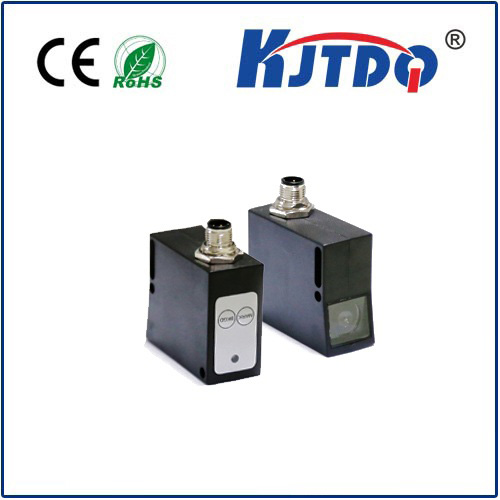
In the fast-paced world of modern industry, accuracy is not just a goal; it's a fundamental requirement. From automated assembly lines to robotic warehousing and large-scale construction, the ability to measure distances with pinpoint precision directly impacts efficiency, safety, and product quality. This is where the industrial laser rangefinder sensor becomes an indispensable tool, transforming complex measurement tasks into reliable, automated processes.
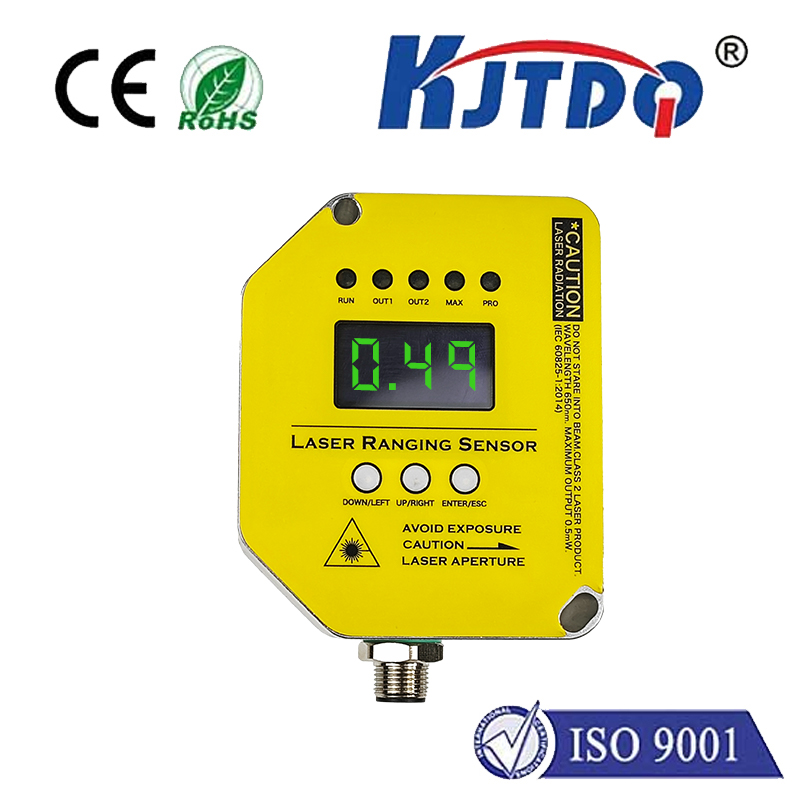
An industrial laser rangefinder sensor operates on the principle of time-of-flight or phase-shift measurement. It emits a focused laser beam towards a target. The sensor then precisely calculates the time it takes for the light to reflect back to its receiver. This data is processed to deliver an exact distance measurement, often with sub-millimeter accuracy, even over long ranges. Unlike traditional measuring tapes or ultrasonic sensors, laser technology is unaffected by ambient noise, dust in moderate levels, or varying surface textures, providing consistent results in challenging environments.
The applications for these robust sensors are vast and critical. In material handling and logistics, they are integrated into automated guided vehicles (AGVs) and crane systems for precise positioning and obstacle detection, ensuring smooth and collision-free movement of goods. Within manufacturing plants, they control robotic arms, verifying part placement and monitoring assembly tolerances in real-time. In the construction and mining sectors, laser rangefinders are used for monitoring structural deformations, calculating volumes, and guiding heavy machinery with exceptional accuracy, enhancing both project timelines and worksite safety.
Choosing the right industrial laser sensor involves several key considerations. Measurement range is paramount; sensors are available for short-distance precision tasks of a few centimeters and for long-range applications exceeding hundreds of meters. The required accuracy and repeatability will dictate the sensor's grade and technology. Environmental durability is another crucial factor. High-quality industrial sensors feature rugged housings with high Ingress Protection (IP) ratings to withstand vibrations, temperature fluctuations, and exposure to coolants or oils. Finally, the output interface—whether analog voltage, current loop, or digital protocols like RS-485 or Ethernet/IP—must be compatible with the existing control system for seamless integration.
The integration of these sensors into the Industrial Internet of Things (IIoT) framework marks a significant advancement. Modern industrial laser rangefinders can connect to networks, providing continuous streams of measurement data. This data can be analyzed to predict maintenance needs, optimize processes, and generate actionable insights, contributing to the development of smarter, more responsive factories. This shift from simple measurement to data-driven intelligence is a cornerstone of Industry 4.0.
For engineers and facility managers, implementing laser rangefinder technology translates to tangible benefits. It drastically reduces human error associated with manual measurements, accelerates production cycles through automation, and minimizes material waste by ensuring precise cuts and placements. The non-contact nature of the measurement also prevents wear on both the sensor and the target object, leading to lower long-term maintenance costs and higher system reliability.
In conclusion, the industrial laser rangefinder sensor is far more than a simple measuring device. It is a critical enabler of automation, quality control, and operational intelligence in today's industrial landscape. By delivering fast, reliable, and precise distance data, it empowers businesses to build better products, optimize their workflows, and maintain a competitive edge in a market where precision and efficiency are paramount. As technology continues to evolve, these sensors will undoubtedly become even more integrated, intelligent, and vital to the factories of the future.