check

check

check

check

check

check
In the relentless world of industrial automation, where machinery operates under extreme conditions, the reliability of every component is paramount. Downtime is not an option, and sensor failure can lead to catastrophic production losses. This is where the KNYT1.8-M12-PAH-93 High Pressure Proximity Sensor from KJTDQ establishes itself as a cornerstone of robust and dependable operation. Engineered to excel in environments where standard sensors falter, this device represents a significant leap in sensing technology for high-pressure applications.
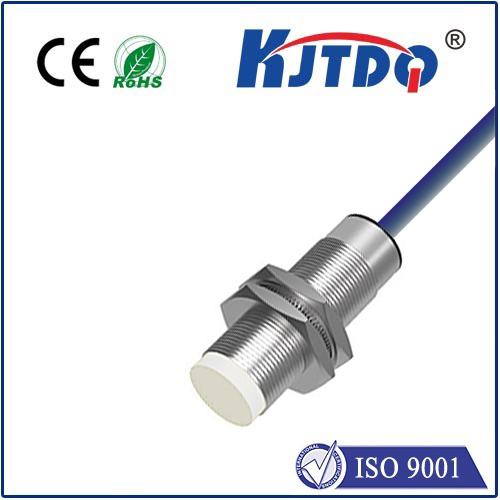
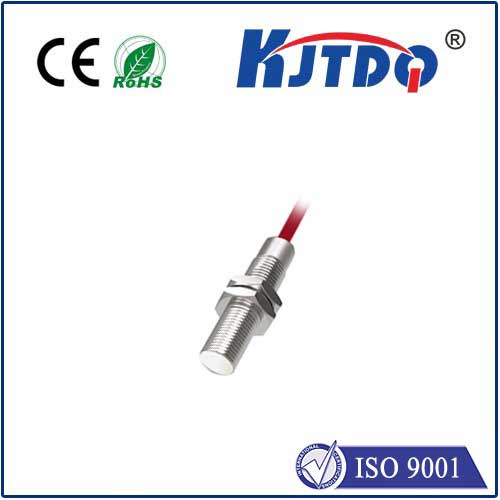
The core challenge in many hydraulic systems, die-casting machines, injection molding equipment, and heavy-duty press lines is the intense pressure, often accompanied by shock, vibration, and fluid contamination. Ordinary inductive proximity sensors may have their housings compromised or their sensing performance drift under such duress. The KNYT1.8-M12-PAH-93 is specifically designed to conquer these challenges. Its defining feature is its exceptional pressure resistance rating. The robust stainless steel housing is hermetically sealed, capable of withstanding immersion and continuous operation in high-pressure fluid environments that would instantly disable lesser sensors. This resilience ensures consistent detection of metallic targets—whether pistons, cylinders, or valve positions—without signal degradation.
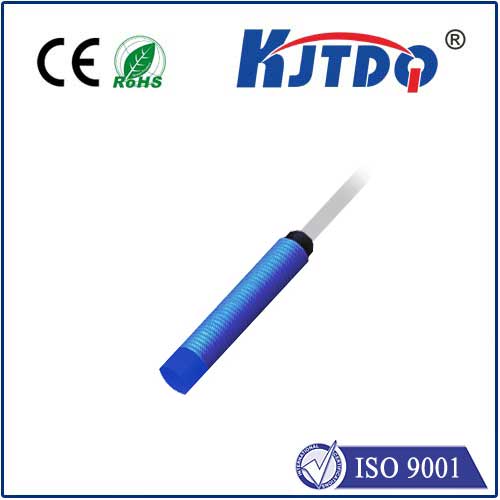
Beyond its formidable pressure resistance, the sensor boasts an M12 connector, the industry-standard for quick, secure, and reliable connectivity. This facilitates easy installation and maintenance, reducing integration time and cost. The "PAH" designation often correlates with a particular sensing face material or enhanced sealing profile, providing an extra layer of defense against abrasive particles and aggressive media commonly found in industrial settings. With a sensing distance of 1.8 mm, it offers precise and short-range detection, crucial for applications where space is constrained and accuracy is non-negotiable.
The operational benefits of integrating the KNYT1.8-M12-PAH-93 into a system are substantial. First and foremost is unparalleled reliability. By eliminating a common point of failure, it dramatically increases the Mean Time Between Failures (MTBF) for the entire machinery line. This translates directly to reduced maintenance intervals, lower spare parts inventory costs, and maximized operational uptime. Furthermore, its consistent performance ensures process stability. In applications like plastic injection molding, precise detection of the mold clamp position under high pressure is vital for cycle time and product quality. This sensor delivers that precision repeatedly, batch after batch.
Another critical advantage is its contribution to overall system safety. In high-pressure systems, a failed sensor can lead to uncontrolled movements or system overpressure. The robust construction and fail-safe design principles inherent in the KNYT1.8-M12-PAH-93 help prevent such hazardous scenarios, protecting both personnel and capital equipment. Its durability also means it is suitable for washdown areas in food and beverage processing or chemical handling plants, where exposure to corrosive cleaning agents is frequent.
For engineers and procurement specialists, selecting the KNYT1.8-M12-PAH-93 is a decision driven by total cost of ownership rather than just initial price. While it may represent a premium investment compared to a standard M12 sensor, the long-term savings from avoided downtime, reduced maintenance, and extended service life far outweigh the initial differential. It is a strategic component that safeguards productivity.
In conclusion, the KJTDQ KNYT1.8-M12-PAH-93 is far more than just a proximity sensor. It is a high-pressure specialist, a reliability enhancer, and a productivity guardian. For any application involving hydraulic pressures, heavy shocks, or harsh industrial fluids, this sensor provides the assurance of continuous, accurate operation. By choosing this engineered solution, industries commit not only to a component but to a higher standard of operational excellence and resilience in the face of extreme demands.