check

check

check

check

check

check
In industrial automation and heavy machinery, the ability to detect objects or monitor positions reliably under extreme conditions is not just a convenience—it’s a critical necessity for safety, efficiency, and operational continuity. This is where high-pressure proximity sensors come into play, and among the top contenders in this specialized field is the PSC0801-N2 High Pressure Proximity Sensor. Designed to perform flawlessly where standard sensors would fail, this device represents a significant leap in sensing technology for challenging applications.
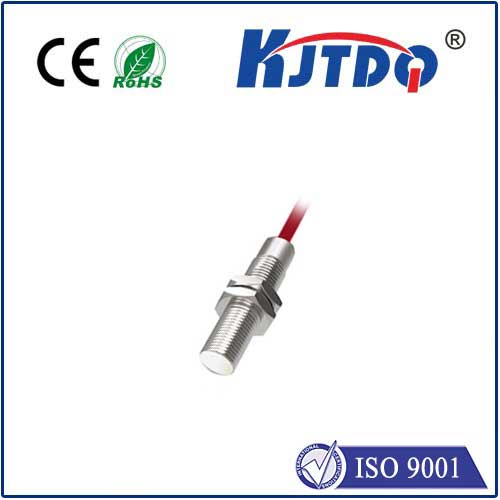
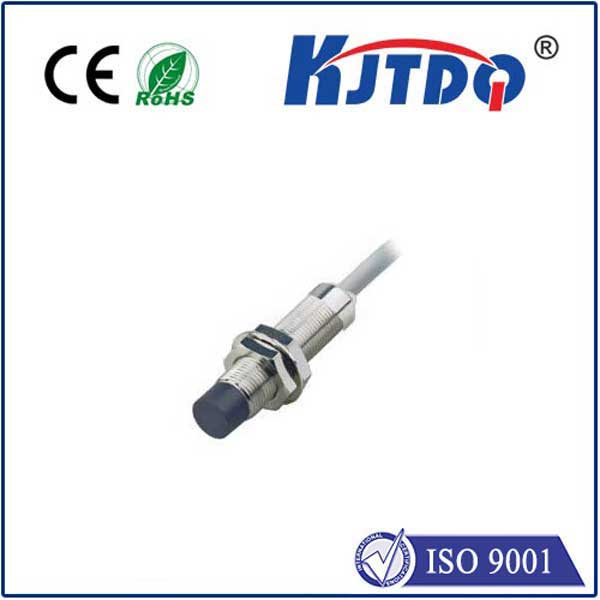
The PSC0801-N2 is engineered specifically for environments where high pressure, whether hydraulic or pneumatic, is a constant factor. Think of hydraulic presses, injection molding machines, heavy-duty construction equipment, or offshore drilling rigs. In these settings, sensors are exposed to intense forces, potential fluid ingress, and significant mechanical stress. The PSC0801-N2 is built with a robust housing, typically from stainless steel or other hardened materials, providing exceptional resistance to physical impact and corrosion. Its sealing technology, often meeting high IP (Ingress Protection) ratings like IP67 or IP69K, ensures that internal components remain completely isolated from external contaminants like oil, coolant, and high-pressure washdowns. This ruggedness directly translates to reduced downtime and lower maintenance costs, as the sensor can withstand the harsh realities of industrial life without frequent failure.
At its core, the PSC0801-N2 utilizes advanced sensing principles. While specific technologies may vary (such as inductive, capacitive, or magnetic), the hallmark of this sensor is its ability to maintain a stable and accurate detection signal even when subjected to the physical distortions and electromagnetic interference common in high-pressure zones. The sensing face is designed to be insensitive to surrounding media, meaning it can reliably detect a target through a layer of oil or other fluids without false triggering. Its operating distance is precisely calibrated, offering consistent performance whether detecting a piston position within a cylinder or the presence of a metal tool in a press.
The electrical output of the PSC0801-N2 is another key strength. It typically provides a clear, stable switch signal (PNP/NPN, NO/NC) that interfaces seamlessly with Programmable Logic Controllers (PLCs), safety relays, and other control systems. This reliability in signal transmission is crucial; a flickering or weak signal in a high-pressure system could lead to machine malfunctions or unsafe conditions. The sensor is also designed for easy integration, featuring standard M12 or M8 connectors and simple mounting options, which streamline installation and replacement processes for maintenance teams.
Beyond basic detection, the application benefits of the PSC0801-N2 are substantial. In hydraulic systems, it enables precise end-position monitoring of cylinders, preventing overtravel and damage. In automated production lines, it ensures that components are correctly positioned before a high-pressure operation commences, safeguarding both the product and the machinery. Its durability makes it ideal for mobile equipment in agriculture, forestry, and mining, where sensors are exposed to mud, vibration, and extreme pressure spikes. By providing a dependable "yes/no" signal in these critical moments, the PSC0801-N2 becomes an integral component for predictive maintenance strategies, helping operators anticipate needs before a catastrophic failure occurs.
Selecting the right sensor for a high-pressure application involves several considerations, and the PSC0801-N2 checks the essential boxes. Engineers must evaluate the maximum pressure rating, the chemical compatibility of the housing material with the environment, the required sensing distance, and the temperature range. The PSC0801-N2 is typically specified for these demanding parameters, offering a solution that balances performance with longevity. When compared to standard proximity sensors, its upfront cost may be higher, but the total cost of ownership is often lower due to its extended service life and reliability, which prevent expensive production stoppages.
In conclusion, the PSC0801-N2 High Pressure Proximity Sensor is more than just a component; it is a dedicated solution for reliability where it matters most. Its robust construction, unwavering accuracy under pressure, and seamless integration capabilities make it a trusted choice for engineers and maintenance professionals across demanding industries. For operations where failure is not an option, investing in a sensor built to endure like the PSC0801-N2 is a strategic decision for enhancing safety, optimizing processes, and protecting valuable capital equipment. As industrial environments continue to push the boundaries of performance, sensors like this will remain at the forefront, enabling smarter and more resilient automation.