check

check

check

check

check

check
In the world of industrial automation and process control, the margin for error is razor-thin. Equipment failure or inaccurate readings can lead to catastrophic downtime, safety hazards, and significant financial loss. This is where the reliability of core components becomes non-negotiable. The DW-AD-503-P High Pressure Proximity Sensor stands out as a critical solution engineered specifically for environments where standard sensors falter. This guide delves into the technology, applications, and distinct advantages of this robust sensing device.
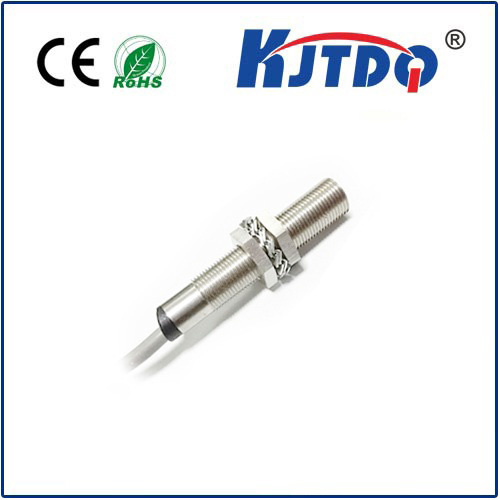
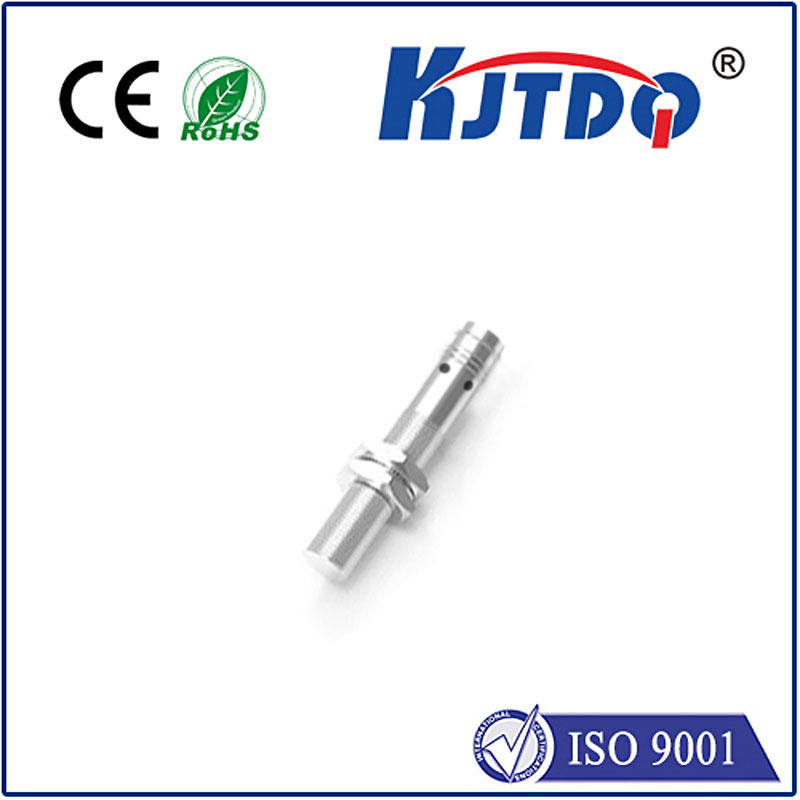
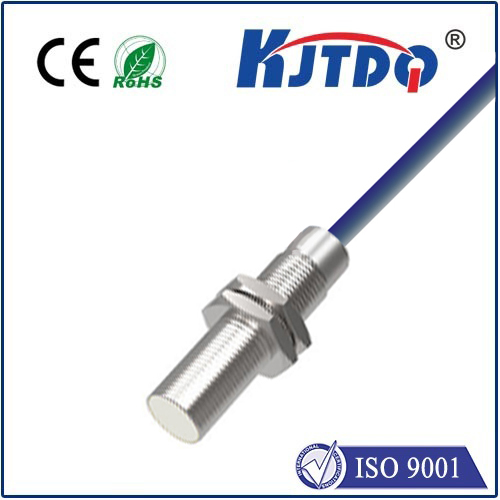
Unlike conventional inductive proximity sensors, the DW-AD-503-P is built to withstand extreme pressure conditions, often found in hydraulic systems, die-casting machines, high-pressure cleaning equipment, and oil & gas applications. Its primary function remains the non-contact detection of metallic objects, but its construction is fundamentally reinforced. The sensor housing is typically crafted from high-grade stainless steel, providing exceptional resistance to mechanical stress and corrosion. The sensing face is specially designed and sealed to maintain integrity even when submerged in fluids or exposed to pressures that would compromise lesser models.
The operational principle is based on the eddy current effect. The sensor generates an electromagnetic field from its oscillator circuit. When a metallic target enters this field, eddy currents are induced on the target's surface, causing a change in the sensor's own oscillation amplitude. This change is detected by the internal circuitry, which then triggers a solid-state switch to change the output state. The "High Pressure" designation of the DW-AD-503-P indicates that its internal components and sealing are optimized to ensure this process remains stable and accurate, regardless of significant external pressure fluctuations acting on the sensor body. This consistent performance prevents false triggers and ensures precise positional feedback.
Key technical features often associated with sensors like the DW-AD-503-P include a high switching frequency, allowing for the detection of rapidly moving parts. They offer various output types, such as PNP (sourcing) or NPN (sinking), to seamlessly integrate with different PLC (Programmable Logic Controller) systems. The sensing distance is precisely defined (e.g., 3mm, 5mm, 8mm) and remains stable. Importantly, many variants come with IP67, IP68, or even IP69K ingress protection ratings, meaning they are dust-tight and can withstand temporary or prolonged immersion in water, a common requirement in high-pressure washdown environments.
The real-world applications for the DW-AD-503-P are vast and critical. In hydraulic press monitoring, it reliably detects piston position under immense fluid pressure, ensuring cycle control and preventing over-travel. Within plastic injection molding and die-casting machines, it monitors mold closure and ejector pin position, where high clamping forces are present. In the energy sector, it is used on offshore platforms and in pipeline systems to monitor valve positions. Furthermore, automated high-pressure washing systems in food & beverage or pharmaceutical manufacturing rely on these sensors to confirm the position of spray arms or doors, guaranteeing process hygiene and operator safety.
Choosing the DW-AD-503-P over a standard proximity sensor translates to tangible benefits for operations managers and engineers. The foremost advantage is dramatically increased system uptime. By eliminating a common point of failure, maintenance intervals are extended, and unplanned stoppages are reduced. This robustness directly impacts the total cost of ownership, as the need for frequent replacements is minimized. Secondly, it enhances safety. Accurate detection in high-pressure systems is crucial for preventing equipment damage and protecting personnel. Finally, it ensures process consistency and product quality by providing unwavering reliable feedback to the control system, cycle after cycle.
When integrating the DW-AD-503-P, proper installation is paramount. It should be mounted securely using the correct brackets to minimize vibration. The sensing face must have a clear approach path for the target, and the recommended mounting distance (usually within the specified sensing range) should be adhered to. For wiring, it is essential to follow the manufacturer's datasheet regarding voltage supply, load current, and connection to the load (e.g., a PLC input). Shielding the cable in electrically noisy environments is a recommended best practice to ensure signal integrity.
In conclusion, the DW-AD-503-P High Pressure Proximity Sensor is not merely a component but a strategic investment for any operation facing demanding physical conditions. Its specialized design bridges the gap between essential sensing functionality and the harsh realities of high-pressure industrial environments. By delivering unwavering reliability, it protects capital equipment, ensures continuous production, and upholds the highest safety standards. For engineers specifying components for new machinery or upgrading existing systems prone to sensor failure, prioritizing a high-pressure rated sensor like the DW-AD-503-P is a decision that pays dividends in reliability and operational peace of mind.