check

check

check

check

check

check
In the world of industrial automation, reliability is not just a feature; it's the foundation of productivity and safety. Harsh environments characterized by extreme pressures, temperature fluctuations, and constant exposure to contaminants pose significant challenges for standard sensing equipment. Frequent sensor failures lead to unplanned downtime, costly maintenance, and compromised operational integrity. This is where specialized components like the KNYT1.8-M12-NAH-60-10 High Pressure Proximity Sensor step in, engineered to deliver unwavering performance where others falter.
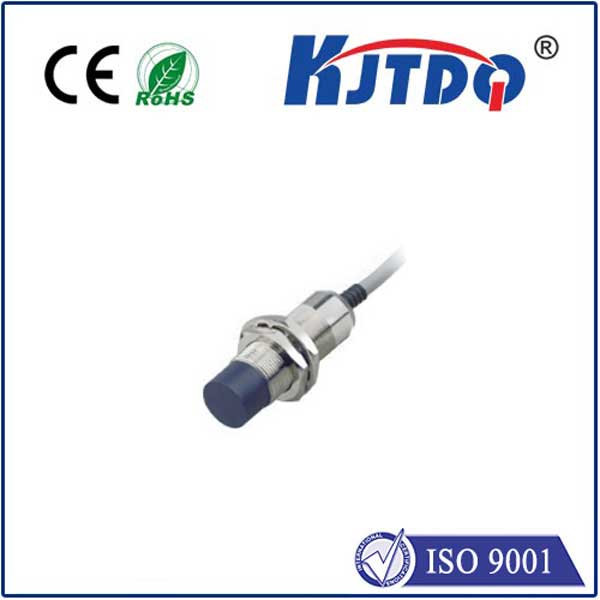
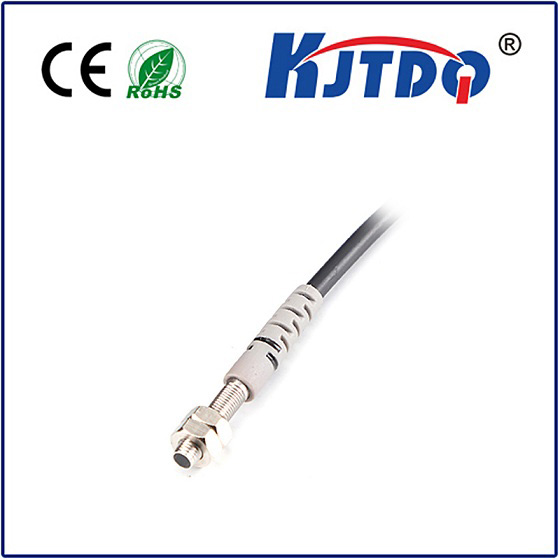
The KNYT1.8-M12-NAH-60-10 is designed with a specific mission: to provide accurate, non-contact detection in high-pressure applications. Its robust construction begins with a high-grade stainless steel housing, capable of withstanding pressures up to 600 bar. This makes it an indispensable tool in industries such as hydraulic systems, die-casting machines, plastic injection molding, and high-pressure testing rigs. The sensor operates on the inductive principle, detecting the presence of metallic targets without physical contact, thereby eliminating wear and tear and ensuring a long operational life even in the most punishing conditions.
A key feature of this sensor is its M12 connector, which offers a compact, standardized, and secure connection point. This design facilitates quick installation and replacement, minimizing machine downtime during setup or maintenance cycles. The “NAH” designation often refers to its specific sensing characteristics, including a nominal sensing distance and a flush-mountable design. This flush mounting capability allows the sensor to be installed flush with the mounting surface, providing excellent protection against mechanical damage from lateral forces or impacts, a common occurrence in heavy machinery.
The performance specifications of the KNYT1.8-M12-NAH-60-10 are tailored for precision. With a sensing distance of 1.8mm, it offers a reliable detection window for small or precisely positioned targets. Its high switching frequency allows it to keep pace with fast-moving production lines, ensuring no event goes undetected. Furthermore, it is built to resist common industrial hazards. The housing provides a high degree of protection against oils, coolants, and metallic dust, ensuring signal stability and preventing false triggers that can disrupt automated processes.
Implementing the KNYT1.8-M12-NAH-60-10 into a system translates to tangible operational benefits. The primary advantage is dramatically increased reliability. By enduring high-pressure environments that would damage conventional sensors, it prevents the cascade of problems that follow a sensor failure: production stoppages, quality control issues, and potential safety risks. This reliability directly reduces total cost of ownership by cutting down on spare part inventories, emergency repair labor, and production losses.
Secondly, its precision enhances process control. Consistent and accurate detection of piston positions, valve closures, or part presence in hydraulic cylinders ensures that complex machinery sequences are executed flawlessly. This leads to higher product quality, less material waste, and optimized cycle times. For maintenance teams, the sensor's rugged design and standardized interface mean simpler troubleshooting and faster swaps, turning what could be a hours-long breakdown into a minutes-long routine task.
When selecting a sensor for high-pressure duties, the KNYT1.8-M12-NAH-60-10 presents a compelling case. It moves beyond being a simple component to becoming a strategic asset for operational resilience. For engineers and plant managers overseeing hydraulic presses, offshore equipment, or any machinery where pressure is a constant factor, choosing a sensor built for this specific stress is not an option—it's a necessity. It represents a proactive investment in continuity, safeguarding productivity by ensuring that the eyes of the automation system never blink, even under 600 bar of pressure.