check

check

check

check

check

check
In the world of industrial automation and process control, the ability to detect objects or monitor positions reliably under extreme conditions is not just a convenience—it's a critical necessity for safety, efficiency, and operational continuity. This is where high-pressure proximity sensors step into the spotlight, and among them, the BHS002P model stands out as a robust solution engineered for performance where others might fail. This guide delves into the core technology, applications, and key benefits of this specific sensor type, providing a comprehensive overview for engineers and procurement specialists.
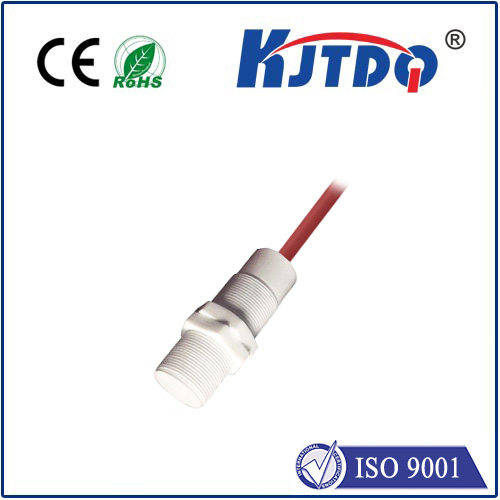
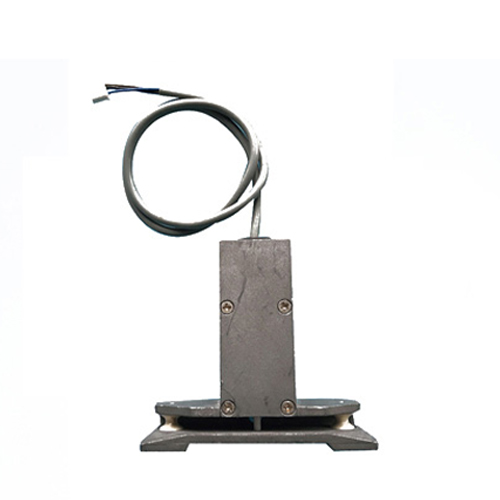
At its heart, the BHS002P is a non-contact sensing device designed to operate flawlessly in environments with elevated pressure levels. Unlike standard inductive or capacitive sensors that can malfunction or suffer degraded performance when subjected to high external pressure, the BHS002P is specifically constructed to withstand these forces. Its housing is typically crafted from high-grade stainless steel or similarly durable materials, offering exceptional resistance to mechanical stress and corrosion. The sensing face is hermetically sealed, preventing media ingress that could compromise the internal electronics. This ruggedized construction ensures signal integrity and long-term stability, making it a dependable component in harsh settings.
The operational principle of the BHS002P is based on robust sensing technology, often an inductive or magnetostrictive method, optimized for high-pressure conditions. It detects the presence of a metallic target without any physical contact, thereby eliminating wear and tear. When a target object enters its predefined sensing range, the sensor generates a clean, switch-like output signal. This signal is remarkably stable, even with fluctuations in the surrounding pressure, thanks to advanced internal compensation circuits. The output is typically in a standard format like PNP/NPN or a 4-20mA analog signal, ensuring seamless integration with Programmable Logic Controllers (PLCs), hydraulic control units, and other industrial automation systems.
The true value of the BHS002P High Pressure Proximity Sensor is realized in its diverse range of demanding applications. In the hydraulic industry, it is indispensable for monitoring piston positions within hydraulic cylinders. Accurate position feedback is crucial for controlling stroke length, preventing cylinder over-extension, and enabling precise machine movements in presses, injection molding machines, and construction equipment. The oil and gas sector relies on these sensors for subsea equipment, wellhead controls, and high-pressure pipeline monitoring, where they must perform reliably at depths with immense ambient pressure. Furthermore, they are vital in heavy-duty manufacturing processes, such as die-casting and forging, where machinery operates under high tonnage and pressure. They can also be found in test stands for engines and components, providing reliable data under simulated high-pressure conditions.
Selecting and implementing the BHS002P requires attention to several technical specifications. The rated pressure range is the foremost parameter, indicating the maximum continuous pressure the sensor can endure without performance loss. The sensing distance, though often shorter than standard sensors due to the reinforced design, must be suitable for the application. Environmental ratings like IP (Ingress Protection) and, crucially, pressure resistance certifications are non-negotiable for ensuring longevity. Electrical characteristics, including operating voltage, output type, and connection style (pre-wired cable or connector), must match the control system's requirements. Proper installation is key; mounting the sensor securely and ensuring the target material and size are within specifications will guarantee optimal performance. Regular maintenance checks for physical damage or seal integrity are recommended to uphold reliability.
In conclusion, the BHS002P High Pressure Proximity Sensor represents a specialized tool for a challenging niche. Its design prioritizes unwavering reliability and accuracy under physical stress that would incapacitate ordinary sensors. For industries where pressure is a constant factor, investing in a purpose-built sensor like the BHS002P translates to reduced downtime, enhanced safety protocols, and more precise control over critical processes. It is not merely a component but a guardian of operational integrity in the most demanding corners of industrial automation.