check

check

check

check

check

check
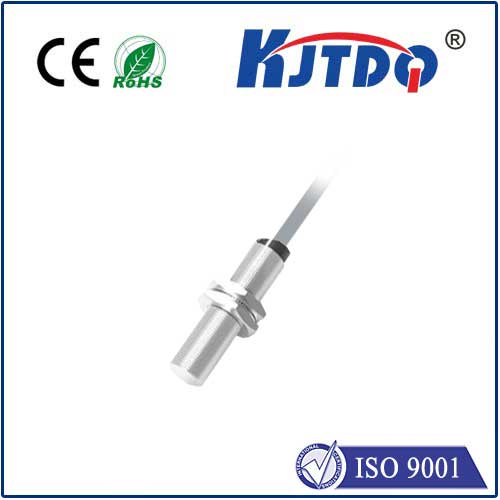
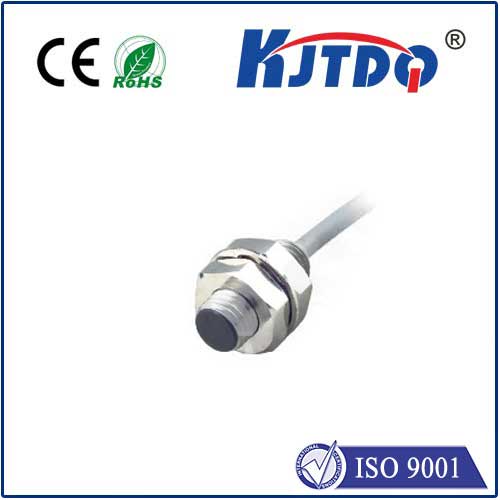
In the relentless world of industrial automation, where machinery operates under extreme conditions, the reliability of every component is paramount. Downtime is not an option, and sensor failure can cascade into costly production halts and safety hazards. This is where the BD1-P1-M5 High Pressure Proximity Sensor, often recognized within the industry by identifiers like KJTDQ, establishes itself as a critical asset. Engineered to excel in environments where standard sensors falter, this device represents a significant leap in sensing technology for high-pressure and harsh-condition applications.
The core challenge in many hydraulic systems, die-casting machines, injection molding equipment, and heavy-duty press lines is the presence of immense pressure, often accompanied by temperature fluctuations, vibrations, and exposure to coolants or hydraulic fluids. A standard inductive proximity sensor might succumb to housing deformation or seal failure under such duress. The BD1-P1-M5 is specifically designed to counteract these forces. Its defining feature is a robust, reinforced stainless steel housing capable of withstanding continuous exposure to high external pressure, typically rated for environments far exceeding the norms for conventional sensors. This structural integrity ensures that the internal electronics and sensing face remain perfectly shielded, guaranteeing consistent performance and an extended operational lifespan even in the most punishing scenarios.
Beyond its rugged exterior, the sensor incorporates a high-performance sensing element. Utilizing a robust inductive principle, it provides non-contact detection of metallic targets, a crucial feature for preventing wear and tear. The "M5" in its designation refers to its compact threaded barrel size, allowing for easy installation in space-constrained locations where monitoring is essential but real estate is limited. Despite its small form factor, it does not compromise on sensing distance or reliability. The output is stable and precise, providing the control system with accurate binary signals to confirm the position of a piston, the closure of a mold, or the presence of a part under high-pressure conditions.
Installation and integration are streamlined for efficiency. The sensor is available in various output configurations (e.g., PNP or NPN) to seamlessly interface with a wide range of programmable logic controllers (PLCs) and control systems. Its design often includes an LED status indicator for quick visual confirmation of operation, a vital feature for maintenance personnel during troubleshooting. The high ingress protection (IP) rating, such as IP67 or higher, signifies complete resistance to dust and temporary immersion, making it suitable for washdown areas in food and beverage processing or outdoor applications exposed to the elements.
The practical applications of the BD1-P1-M5 High Pressure Proximity Sensor are vast and impactful. In hydraulic power units, it reliably detects cylinder end positions, preventing overtravel and damage. Within plastic injection molding machines, it ensures precise mold clamping and ejection sequences under tremendous tonnage. On die-casting platforms, it monitors the position of cores and ejector pins amidst high pressure and temperature. Its resilience also makes it ideal for machine tools, automated stamping presses, and offshore equipment, where failure is not an option. By providing unwavering detection certainty, it enhances overall system safety, protects expensive machinery from damage, and maximizes production uptime.
Choosing the right sensor for high-pressure applications is a strategic decision that affects productivity and safety. The BD1-P1-M5, synonymous with durability and precision in sectors that use the KJTDQ designation, offers a proven solution. It transforms a potential point of failure into a bastion of reliability. For engineers and maintenance managers seeking to fortify their automation systems against extreme pressures, investing in this specialized proximity sensor is not merely an upgrade—it is an essential step towards achieving unparalleled operational resilience and efficiency. Its value is measured not just in its immediate performance, but in the avoided costs of downtime and the assurance of continuous, safe production.