check

check

check

check
check
check
check
check

check
check
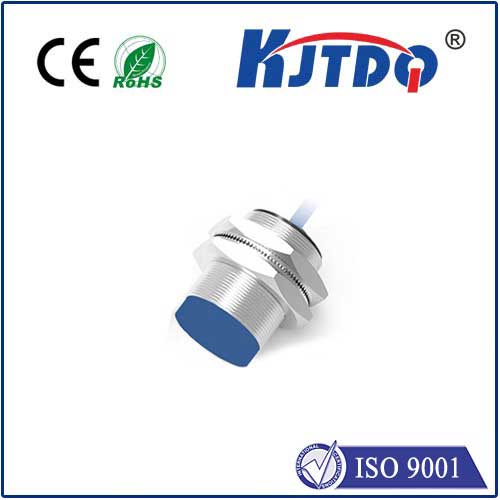
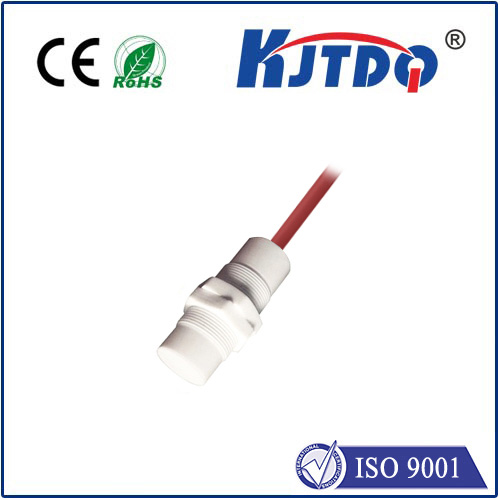
In the demanding world of industrial automation, where machinery operates under extreme conditions, the reliability of every component is paramount. Among these critical components, proximity sensors play a vital role in detecting the presence or absence of objects without physical contact. When the application involves high-pressure environments—such as hydraulic systems, heavy-duty presses, or offshore equipment—standard sensors often fall short. This is where specialized solutions like the BES M12EG1-NSC60Z-S04G-S11, also known by its alternative designation BES02WF, come into play. This high-pressure proximity sensor is engineered to deliver unwavering performance where others cannot.
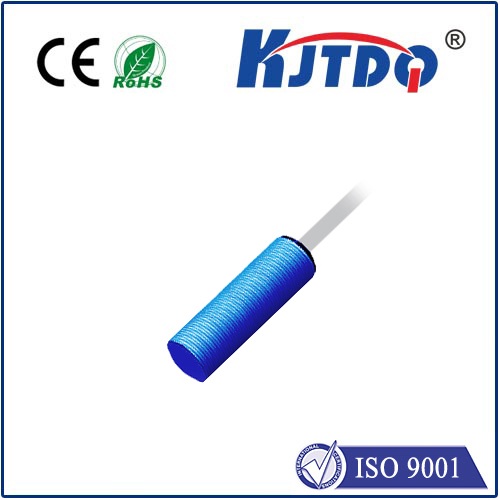
The core challenge in high-pressure settings is the immense force exerted on sensor housings and sensing faces. Ordinary inductive proximity sensors may suffer from housing deformation, seal failure, or even complete breakdown, leading to costly downtime and safety risks. The BES M12EG1-NSC60Z-S04G-S11 is specifically designed to counteract these forces. Its robust stainless-steel housing, typically AISI 303 or 304, provides exceptional mechanical strength and corrosion resistance. The sensing face is reinforced to withstand direct exposure to pressures that would compromise lesser models, ensuring consistent detection accuracy over a long service life.
A key feature of this sensor is its M12 connector, denoted in the model number. This standardized, compact connection interface offers significant advantages. It allows for quick installation and replacement, minimizing maintenance windows. The connector is often rated IP67 or higher, meaning it is protected against dust ingress and temporary immersion, a crucial factor in washdown areas or outdoor applications where high pressure might come from cleaning jets or environmental factors. The "EG1" in the part number typically refers to a specific electrical configuration, often indicating a 3-wire DC version with complementary output types (like PNP normally open or closed), providing flexibility for integration into various control systems.
The operational principle remains based on eddy current damping. The sensor generates an electromagnetic field from its oscillator circuit. When a metallic target enters this field, eddy currents are induced, damping the oscillation. This change is detected by the circuit, which then switches the output state. What sets the high-pressure variant apart is the internal design that stabilizes this oscillation process against external physical stress. The circuitry is potted or shielded to prevent malfunction from vibration—a common companion to high-pressure cycles.
Understanding the suffix codes like "S04G" and "S11" is essential for proper selection. These often specify critical parameters such as sensing range, output function, and connection details. "S04G" could indicate a 4mm sensing distance for a ferrous target, while "S11" might specify a pre-wired cable style or length. It is imperative to consult the manufacturer's datasheet to match these codes precisely with the application's requirements, including the required pressure rating, target material, and environmental temperature range.
Real-world applications for the BES M12EG1-NSC60Z-S04G-S11 are found in industries where reliability cannot be compromised. In injection molding machines, it detects the position of the mold clamp under tremendous hydraulic pressure. Within hydraulic cylinder assemblies, it provides end-position sensing for piston rods. In metal forming and stamping presses, it ensures tooling is in the correct position before a high-force cycle begins, preventing catastrophic damage. Its resilience also makes it suitable for food and beverage processing, where equipment must endure high-pressure cleaning with caustic solutions.
Installation and maintenance, while straightforward, require attention to detail for optimal performance. The sensor should be mounted securely using its integral threads, ensuring it is not subjected to bending forces from the cable. Even with its high-pressure rating, it is good practice to avoid direct, continuous impingement of high-pressure fluid jets on the sensing face. Regular checks for physical damage, buildup of debris on the face, and verification of the electrical signal are recommended as part of a preventive maintenance schedule.
Selecting the right sensor involves more than just pressure rating. Engineers must consider the target material (steel, aluminum, brass), the required switching frequency, the supply voltage (commonly 10-30V DC), and the ambient temperature. The BES02WF series is designed to offer a solution that balances these technical demands with the need for durability. Its design minimizes false triggers caused by pressure spikes or stress-induced electronic noise, providing a clean, reliable signal to the programmable logic controller (PLC).
In conclusion, the BES M12EG1-NSC60Z-S04G-S11 (BES02WF) represents a focused answer to a specific industrial challenge. It transcends the role of a simple switch, acting as a robust sentinel in systems where pressure is not just a variable but a defining characteristic of the operating environment. By ensuring precise, non-contact detection in these harsh conditions, it contributes directly to enhanced machine safety, reduced unplanned downtime, and improved overall process efficiency. For system integrators and maintenance engineers, understanding and utilizing such specialized components is key to building resilient and productive automation systems.