check

check

check

check

check

check
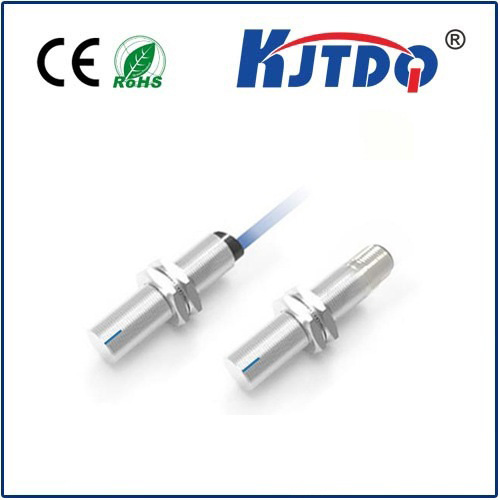
In the complex and often unforgiving world of industrial automation, the reliability of every component is paramount. When it comes to monitoring and controlling machinery under extreme conditions, standard sensors often fall short. This is where the MFS210 High Pressure Proximity Sensor steps in, engineered specifically to deliver unwavering performance where others cannot. Designed for the most demanding environments, this sensor represents a significant leap in durability and precision for proximity detection under high-pressure scenarios.
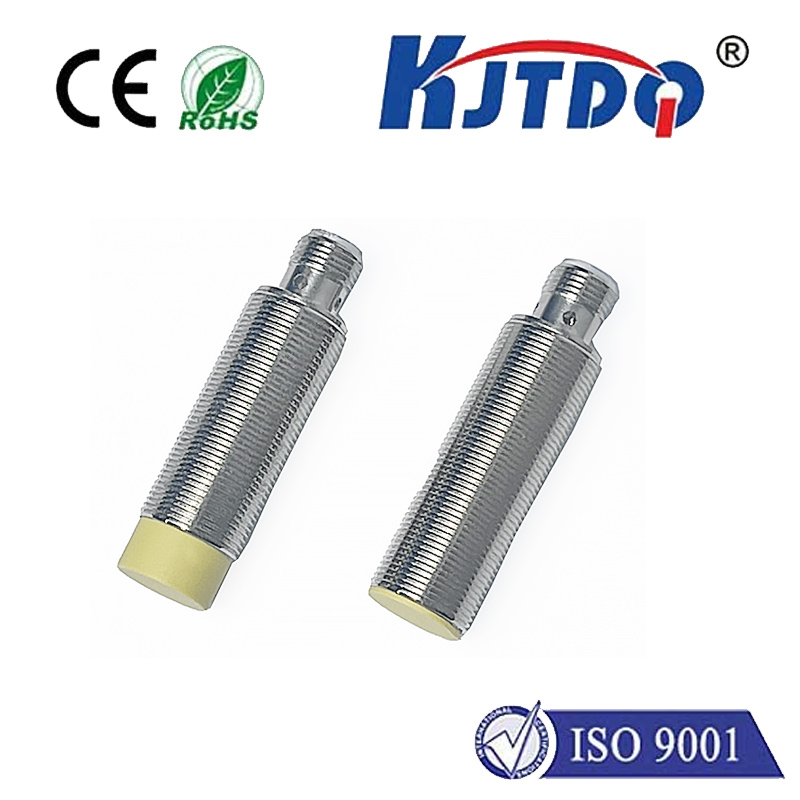
The core challenge in high-pressure applications, such as hydraulic systems, heavy-duty presses, injection molding machines, and offshore equipment, is the constant exposure to immense physical forces and potential media ingress. Conventional inductive or capacitive sensors can fail prematurely due to housing deformation, seal failure, or signal drift. The MFS210 is built from the ground up to withstand these rigors. Its robust, typically stainless-steel housing is engineered to resist deformation under continuous high pressure, ensuring the internal sensing element remains perfectly calibrated. The advanced sealing technology, often meeting IP68, IP69K, or even higher standards, guarantees protection against oil, coolants, and high-pressure washdowns, making it ideal for food processing, marine, or mining industries.
Beyond its physical toughness, the MFS210 excels in electrical performance. Utilizing a high-quality sensing element—often based on magnetostrictive, piezoresistive, or specially shielded inductive technology—it provides exceptional accuracy and repeatability in detecting the presence or position of a target. Whether it's monitoring piston position in a hydraulic cylinder, confirming mold closure in a press, or ensuring valve actuation, the sensor delivers a consistent and reliable signal. This reliability is crucial for preventing machine downtime, reducing waste, and ensuring overall operational safety. Many models feature short-circuit and reverse polarity protection, along with high electromagnetic compatibility (EMC), ensuring stable operation even in electrically noisy environments.
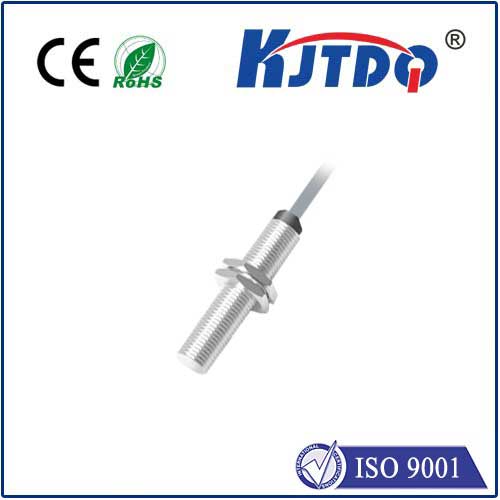
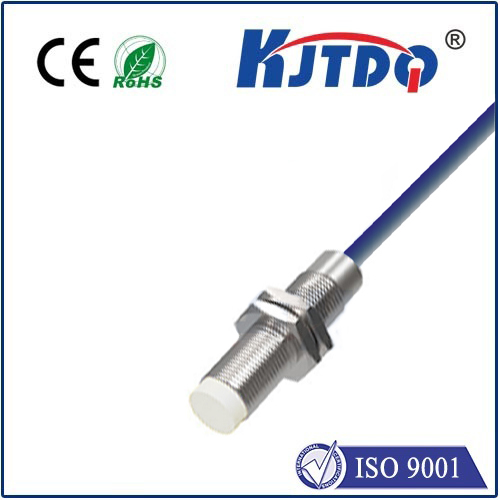
Installation and integration are streamlined for efficiency. The MFS210 often comes in compact, threaded designs (e.g., M8, M12, M18) allowing for easy mounting directly into high-pressure ports or manifolds. The availability of various output types (PNP/NPN, NO/NC, analog 4-20mA, or IO-Link) provides flexibility to seamlessly connect with PLCs (Programmable Logic Controllers) and existing control systems. The IO-Link variant, in particular, offers smart sensor capabilities, enabling remote parameter configuration, real-time diagnostics, and predictive maintenance data, which is a cornerstone of Industry 4.0 initiatives.
The operational benefits are substantial. By implementing the MFS210 High Pressure Proximity Sensor, facilities can achieve a dramatic reduction in unplanned maintenance and sensor replacement costs. Its longevity directly contributes to higher machine availability and throughput. The precision it offers enhances process control, leading to improved product quality and consistency. In safety-critical applications, its fail-safe design and reliable signaling help protect both personnel and expensive capital equipment from damage caused by malfunctions.
From automotive manufacturing lines with powerful hydraulic robots to the depths of subsea oil and gas equipment, the MFS210 proves its mettle. It is not merely a sensor; it is a robust and intelligent interface between the physical forces of heavy industry and the digital realm of control. For engineers and plant managers seeking to eliminate a common point of failure in harsh conditions, the MFS210 High Pressure Proximity Sensor stands as a definitive solution, ensuring that pressure is measured and managed, never a problem.