check

check

check

check

check

check
In the demanding world of industrial automation, precision, reliability, and durability are non-negotiable. Harsh environments with high pressure, extreme temperatures, and potential contaminants pose significant challenges for standard sensing equipment. This is where specialized components like the KGG12P2KD-L55 High Pressure Proximity Sensor step in, engineered to deliver consistent performance where others fail. Designed for robust industrial applications, this sensor represents a critical advancement in non-contact detection technology, particularly suited for hydraulic systems, heavy machinery, and high-pressure processing lines.
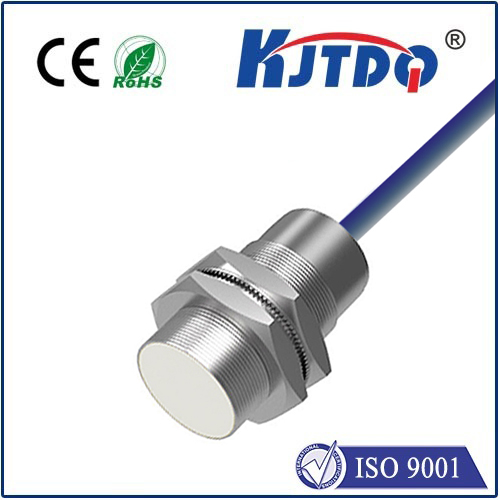
The core functionality of the KGG12P2KD-L55 revolves around its ability to detect metallic targets without physical contact, even under substantial pressure conditions. Its construction typically involves a stainless-steel housing rated for high-pressure endurance, ensuring the internal electronics are completely shielded from the external environment. This hermetic sealing is crucial for preventing fluid ingress in applications like marine hydraulics or injection molding machines, where sensors are constantly exposed to pressurized oils or coolants. The "L55" designation often relates to specific electrical characteristics or housing dimensions, making it integral to compatibility with existing control systems. Unlike standard inductive sensors, the KGG12P2KD-L55 is calibrated to maintain a stable sensing field and switching point, unaffected by the surrounding pressure fluctuations that can cause false triggers or signal drift in lesser models.
One of the standout features of this sensor type is its exceptional operational stability. Engineers and maintenance teams report significantly reduced downtime when implementing such high-pressure-rated sensors. The alternative—using a standard sensor in a high-pressure zone—often leads to premature failure, diaphragm rupture, or seal degradation, resulting in unplanned stoppages, fluid leaks, and costly repairs. By specifying the KGG12P2KD-L55, facilities proactively address these failure points. The sensor's design often incorporates advanced potting compounds and laser-welded seals that can withstand pressure spikes and continuous cyclic loading, ensuring a long service life even in the most punishing conditions. This reliability translates directly into improved Overall Equipment Effectiveness (OEE) and lower total cost of ownership.
Installation and integration of the KGG12P2KD-L55 are streamlined for industrial settings. It commonly features a standard M12 or M18 threaded housing, allowing for direct mounting into pressurized ports or manifolds. The electrical connection is usually via a pre-wired cable or a quick-disconnect connector, facilitating easy replacement and maintenance. Its output is typically a stable PNP or NPN switching signal compatible with Programmable Logic Controllers (PLCs) and industrial bus systems. This plug-and-play compatibility minimizes engineering time and ensures seamless communication with the broader control architecture, providing precise feedback for cylinder position, valve status, or presence detection in automated sequences.
The application spectrum for this high-pressure proximity sensor is vast. In the mobile hydraulics sector, it is indispensable for monitoring cylinder end positions in excavators and cranes operating under high load. Within factory automation, it ensures precise control in die-casting machines and plastic injection presses, where detecting a mold or piston position under extreme pressure is critical for product quality and cycle time. The oil and gas industry utilizes these sensors for blow-out preventer (BOP) control systems and subsea equipment, where failure is not an option. In each case, the KGG12P2KD-L55 provides the critical data link that allows control systems to make safe, efficient, and repeatable decisions.
Selecting the right sensor for a high-pressure application requires careful consideration. Key parameters include the maximum pressure rating (often specified in bar or PSI), the sensing distance, the target material (usually ferrous metals), the operating temperature range, and the required electrical output. The KGG12P2KD-L55 is specifically configured to meet a stringent combination of these factors. Consulting technical datasheets and manufacturer guidelines is essential to ensure the selected model matches the environmental and performance requirements of the specific machinery. Proper selection avoids the pitfalls of under-specification and leverages the full benefits of a component built for purpose.
Ultimately, the integration of a KGG12P2KD-L55 High Pressure Proximity Sensor is a strategic investment in operational integrity. It moves beyond being a simple component to becoming a foundational element of a reliable and safe automation system. By ensuring accurate detection in environments characterized by high pressure, it safeguards machinery, optimizes processes, and prevents costly production interruptions. For system designers and plant engineers tasked with improving uptime and performance in challenging industrial landscapes, specifying purpose-built sensors like this is a decisive step toward achieving those goals, delivering measurable returns through enhanced reliability and control.