check

check

check

check

check

check
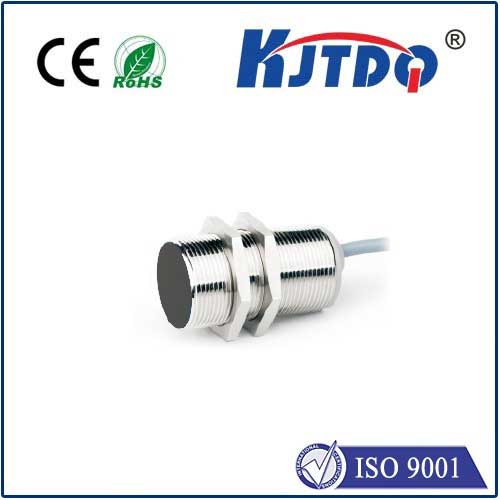
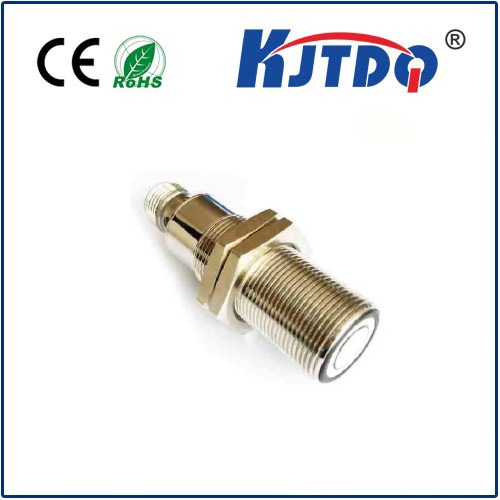
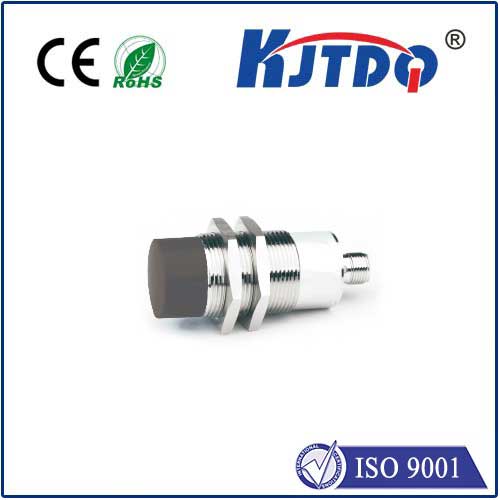
In the relentless world of industrial automation, where machinery operates under extreme pressures and within tight tolerances, the failure of a single component can cascade into costly downtime and compromised safety. This is where the reliability of sensing technology becomes paramount. The KJTDQ BD2.5-P1-M12S-635 High Pressure Proximity Sensor stands out as a critical component engineered specifically to thrive where others might falter. Designed for high-pressure washdowns, aggressive chemical exposure, and mechanically stressful environments, this sensor represents a significant leap in durability and precision.
The core of its resilience lies in its robust stainless-steel housing, rated to withstand pressures that would compromise standard sensors. The "High Pressure" designation is not merely a label; it is a promise of performance in applications like hydraulic systems, high-pressure cleaning stations in food and beverage processing, or within the enclosures of heavy-duty presses and injection molding machines. Here, the sensor must resist not only the physical force of fluids but also the potential ingress that leads to corrosion and failure. The BD2.5-P1-M12S-635's sealed construction ensures long-term integrity, maintaining signal stability even when subjected to direct jets of water or oil.
Precision is equally critical. The "P1" suffix often indicates a particular sensing characteristic or performance class, typically relating to repeat accuracy and switching frequency. In automated production lines, the exact position of a piston, the presence of a metal tool, or the confirmation of a part in a fixture must be detected with unwavering consistency. The inductive sensing technology in this M12-sized device provides non-contact detection of metallic targets, eliminating mechanical wear and tear. This translates to millions of reliable switching cycles, reducing maintenance intervals and replacement costs. The 635mm cable length offers flexible installation options, allowing engineers to place the sensor optimally while connecting seamlessly to standard M12 connectors in control cabinets.
Furthermore, the operational stability of the KJTDQ sensor across a wide temperature range ensures functionality in both foundry heat and cold storage facilities. This versatility makes it a preferred choice for OEMs and plant engineers who seek to standardize components across diverse machine portfolios. Its compatibility with standard PLC systems means integration is straightforward, avoiding proprietary complexities that can lock users into a single supplier.
Beyond the technical specifications, the real-world value of the BD2.5-P1-M12S-635 is measured in operational continuity. For a packaging plant, it means sensors on filling heads that continue to operate despite daily high-pressure sterilization. In an automotive assembly line, it means position sensors on robotic welders that are unaffected by coolant mist and metallic debris. This reliability directly safeguards throughput and product quality.
Selecting a proximity sensor for challenging applications requires a careful balance of specifications. Factors such as the sensing distance (likely 2.5mm as indicated by "BD2.5"), the housing material, the electrical output (PNP or NPN), and the ingress protection (IP) rating must align with the application's demands. The KJTDQ BD2.5-P1-M12S-635 is engineered with these considerations at its core, offering a solution that minimizes risk. It is a testament to how targeted engineering in industrial components can deliver disproportionate value by enhancing system resilience.
Ultimately, in an era focused on efficiency and uptime, deploying components like this high-pressure proximity sensor is a strategic decision. It moves beyond simple part replacement to being an investment in predictive and preventative operational philosophy. By ensuring that the most vulnerable points in a system—the sensing nodes—are fortified against environmental extremes, businesses can build a more robust and predictable production infrastructure, laying a foundation for sustained productivity and growth.