check

check

check

check

check

check
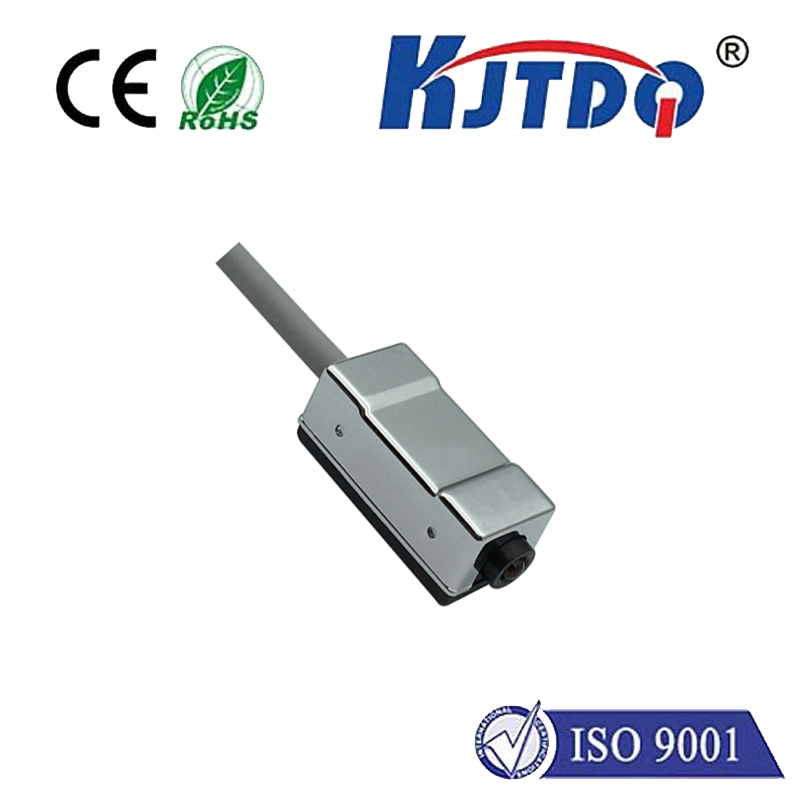
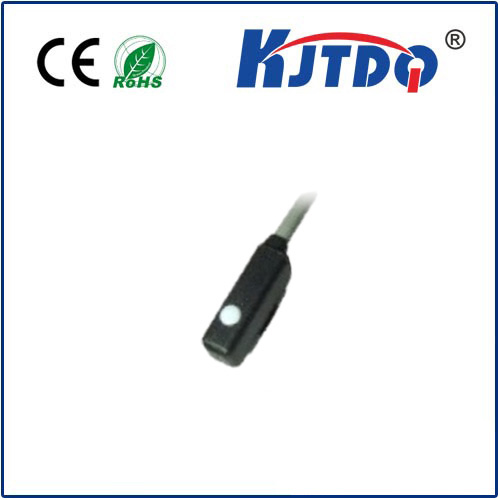
In the world of industrial automation and process control, the ability to detect objects or monitor positions reliably under extreme conditions is not just a convenience—it's a critical requirement for safety, efficiency, and productivity. High-pressure environments, found in applications like hydraulic systems, die-casting machines, injection molding, and heavy-duty press operations, present unique challenges for standard sensing equipment. This is where specialized components like the BHS004L High Pressure Proximity Sensor step into the spotlight, engineered to deliver unwavering performance where others might fail.
The BHS004L is designed specifically to operate in environments where pressure levels are significantly elevated. Unlike conventional inductive or capacitive proximity sensors, its construction accounts for the mechanical stresses and potential media ingress associated with high-pressure zones. The housing is typically crafted from robust, corrosion-resistant materials such as stainless steel, providing exceptional durability and longevity. This rugged build ensures that the sensor can withstand not only high pressure but also associated vibrations, shocks, and temperature variations common in harsh industrial settings.
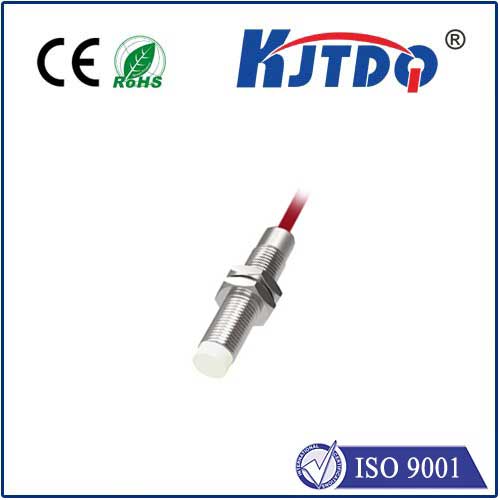
At its core, the sensor utilizes a proven sensing technology, often based on the inductive principle, which detects the presence of metallic targets without physical contact. The "high pressure" designation means its internal components and sealing are optimized. Key features include advanced diaphragm designs or pressure-balanced mechanisms that prevent internal damage or false triggering caused by pressure differentials acting on the sensor face. The sensing face itself is reinforced to handle direct exposure to pressurized fluids or gases in certain configurations, making it suitable for direct mounting into cylinder ports or pressure lines for position feedback.
The operational benefits of integrating the BHS004L into a system are substantial. First and foremost is enhanced reliability. Downtime caused by sensor failure in a critical high-pressure circuit can be costly and dangerous. The BHS004L's design minimizes this risk, ensuring consistent signal output and accurate detection cycles. This reliability translates directly into improved process stability and reduced maintenance intervals. Secondly, its precision allows for accurate monitoring of piston position in hydraulic cylinders or tool alignment in presses, contributing to better product quality and repeatability. Many models offer various output options (e.g., PNP, NPN, analog) and connection types (e.g., M12 connector, cable exit) to seamlessly integrate into existing control architectures.
Typical application scenarios vividly demonstrate its value. In plastic injection molding machines, the sensor reliably detects the mold clamp position under immense tonnage pressure. Within hydraulic power units, it monitors cylinder extension and retraction in log splitters or metal forming presses. It can also be found in test stands for pressure vessels, providing a crucial safety interlock. In each case, the BHS004L performs a vital function: converting a physical position under pressure into a clear, unambiguous electrical signal for the PLC or controller.
Selecting and installing the BHS004L requires attention to specifications. Key parameters include its rated pressure range, which must exceed the maximum operating pressure of the application. The sensing distance, target material (usually ferrous metals), and operating voltage (commonly 10-30V DC) must align with system requirements. Proper installation is crucial; following manufacturer guidelines for mounting torque, using suitable seals or gaskets, and ensuring correct alignment with the target guarantees optimal performance and prevents premature failure. Environmental factors like ambient temperature and potential exposure to coolants or oils should also be considered when specifying the model.
When compared to standard proximity sensors or alternative methods like mechanical limit switches, the BHS004L offers a superior solution for high-pressure duties. Mechanical switches suffer from wear and tear due to physical contact, leading to frequent replacement. Standard electronic sensors may have housings that deform or seals that fail under sustained pressure. The BHS004L is purpose-built to bridge this gap, offering the maintenance-free, long-life benefits of non-contact sensing with the ruggedness demanded by pressurized systems.
In conclusion, for engineers and system integrators facing the challenge of object detection in high-pressure applications, the BHS004L High Pressure Proximity Sensor represents a specialized and robust solution. Its design prioritizes resilience, accuracy, and integration ease, addressing the core pain points of operating in demanding environments. By ensuring reliable signal acquisition where pressure is a dominant factor, it contributes significantly to the creation of safer, more efficient, and more dependable industrial automation systems. Investing in such tailored components is a strategic decision for enhancing overall equipment effectiveness and operational longevity.