check

check

check

check

check

check
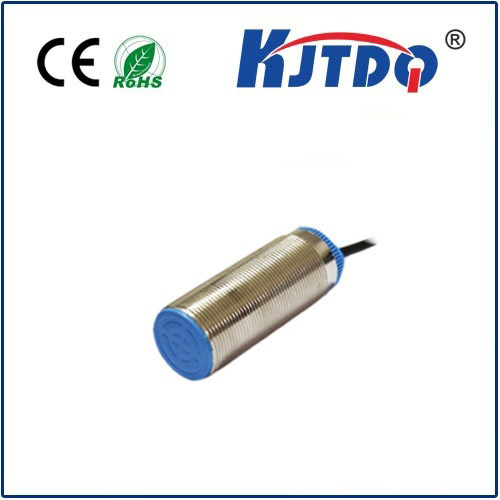
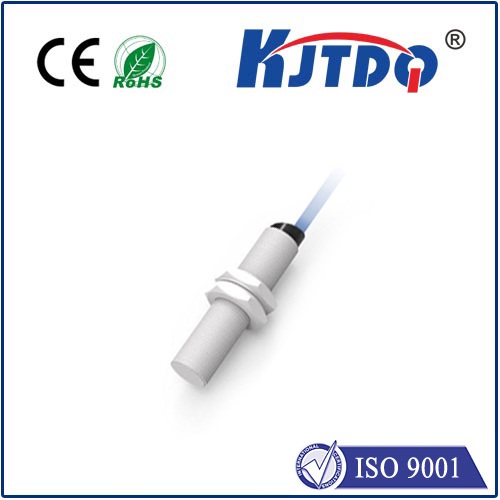
In the world of industrial automation and process control, the reliability and accuracy of sensor technology are non-negotiable. The BD3-P3-M14 High Pressure Proximity Sensor stands as a testament to engineering excellence, designed specifically to deliver unwavering performance in the most challenging environments. This sensor is not merely a component; it is a critical solution for systems where high pressure, extreme conditions, and precise detection are paramount.
The core functionality of the BD3-P3-M14 revolves around its ability to detect the presence or absence of a target object without physical contact, even under significant pressure loads. Utilizing a robust sensing technology, it provides a consistent and reliable signal, ensuring machinery and processes operate smoothly and safely. Its construction is tailored for durability, featuring a housing rated to withstand high-pressure washdowns, corrosive atmospheres, and mechanical shocks commonly found in industries like heavy machinery manufacturing, hydraulic systems, offshore operations, and high-pressure processing lines.
One of the defining characteristics of the BD3-P3-M14 is its high-pressure rating. Unlike standard proximity sensors that might falter under stress, this model is engineered to maintain its sensing integrity and housing seal when exposed to elevated pressures. This makes it an indispensable tool for monitoring piston positions in hydraulic cylinders, detecting components within pressurized chambers, or ensuring safety interlocks on high-pressure vessels. The risk of failure in such applications can lead to costly downtime, safety hazards, or product defects, making the sensor's resilience a key economic and operational asset.
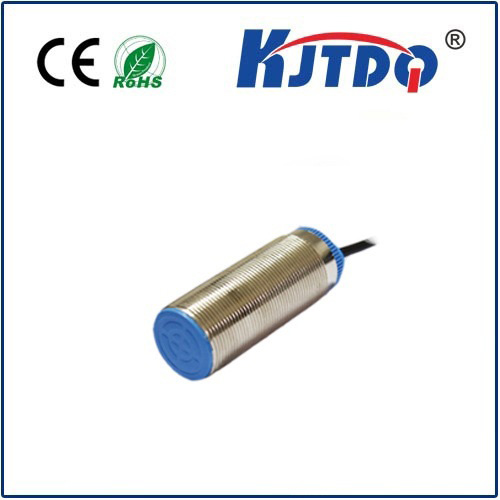
Installation and integration are streamlined thanks to its standardized M14 housing thread, a common form factor that simplifies mounting in existing panels or machinery. The sensor typically offers a choice of output configurations, such as PNP or NPN, and normally open or normally closed contacts, providing flexibility for various control system architectures. Its electrical connections are designed for quick and secure wiring, reducing installation time and potential errors. Furthermore, many variants come with LED status indicators, offering immediate visual confirmation of operational state and power, which is crucial for rapid troubleshooting and maintenance.
The application scope for the BD3-P3-M14 is vast. In the automotive sector, it can be used for precise tool positioning in high-pressure die-casting machines. Within the oil and gas industry, it plays a role in monitoring equipment on drilling rigs where pressure fluctuations are constant. For food and beverage production involving high-pressure processing (HPP) for pasteurization, this sensor can reliably monitor door seals and safety mechanisms. Its versatility also extends to plastic injection molding, where it can detect molds under high clamping pressure, and in metalworking for tool breakage detection in high-pressure coolant systems.
Choosing the right sensor for high-pressure applications involves several considerations. The BD3-P3-M14 addresses these by offering a specified sensing distance, temperature tolerance, and a high IP (Ingress Protection) rating, often IP67 or higher, guaranteeing protection against dust and temporary immersion. Its material composition, often stainless steel or nickel-plated brass, resists corrosion and ensures long-term performance. When selecting this sensor, engineers must verify its pressure rating aligns with the maximum system pressure, including any potential pressure spikes, to ensure a long service life and reliable operation.
In conclusion, the BD3-P3-M14 High Pressure Proximity Sensor represents a specialized fusion of robustness, precision, and adaptability. It fills a critical niche where standard sensors cannot survive, providing the reliability needed to enhance safety, optimize efficiency, and protect capital investments in heavy industry. By ensuring accurate non-contact detection under duress, it becomes a silent guardian of productivity, preventing malfunctions and contributing to the seamless automation of complex, high-stakes industrial processes. Its value is measured not just in its specifications, but in the continuity and safety it brings to operations worldwide.