check

check

check

check

check

check
In the world of industrial automation, reliability is not just a preference; it's an absolute necessity. Harsh environments characterized by extreme pressures, temperature fluctuations, and potential contaminants demand sensing components that are built to endure. The BES 516-300-S149-D-PU-05 High Pressure Proximity Sensor stands out as a premier example of engineering designed to meet these rigorous challenges head-on. This inductive sensor is engineered to deliver consistent, accurate performance where other sensors might fail, making it a critical component for ensuring operational continuity and safety in heavy-duty applications.
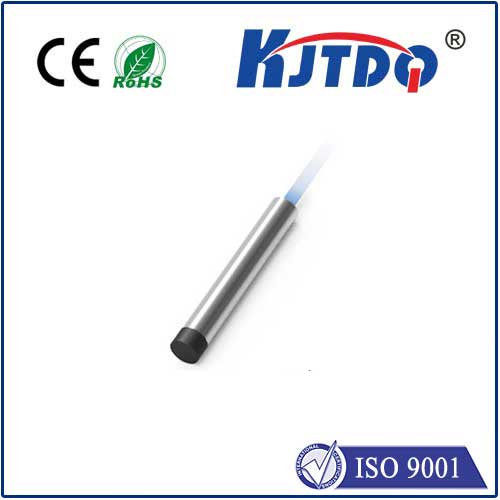
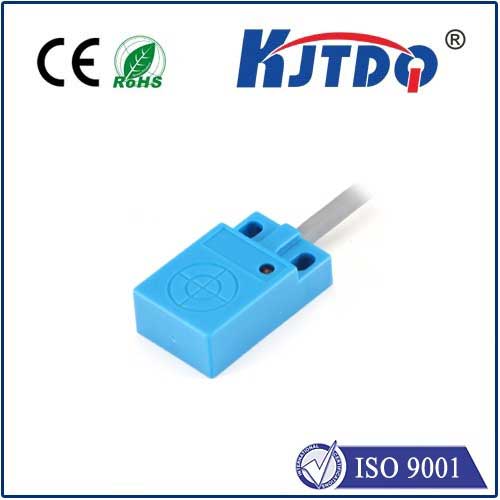
At its core, the BES 516-300-S149-D-PU-05 is an inductive proximity sensor. This technology operates by generating an electromagnetic field. When a metallic target enters this field, it causes a change in oscillation, which the sensor detects, triggering a solid-state output signal. What sets this specific model apart is its robust construction tailored for high-pressure environments. The designation "PU-05" typically indicates a polyurethane cable, known for its exceptional resistance to oils, chemicals, and mechanical abrasion. This makes the sensor ideally suited for deployment in hydraulic systems, heavy machinery, die-casting equipment, and marine applications where exposure to high-pressure sprays or submerged conditions is common.
The sensor's high-pressure rating is a key feature. It is designed to withstand the physical stresses imposed by environments such as inside hydraulic cylinders or near high-pressure cleaning systems. The housing is exceptionally rugged, often crafted from high-grade stainless steel (like V4A/AISI 316L), providing superior corrosion resistance. This durability ensures that the sensor maintains its integrity and sealing, preventing ingress of fluids or particulate matter that could compromise its function. The hermetically sealed design is crucial for maintaining performance under fluctuating pressures.
Installation and integration of the BES 516-300-S149-D-PU-05 are streamlined for efficiency. It typically features a standard M30 threaded barrel, allowing for easy mounting in standard fixture holes. The 300mm (or as specified) polyurethane cable offers flexibility for routing in tight spaces while being protected from harsh on-site conditions. The sensor provides a stable PNP or NPN output (as per ordering code), compatible with standard programmable logic controllers (PLCs) and industrial control systems. Its high switching frequency and precise sensing distance, often up to 15mm for steel targets, enable fast and reliable detection of piston positions, valve movements, or part presence, even in rapid-cycle machinery.
The operational benefits of implementing this sensor are substantial. First and foremost is enhanced system reliability. By providing fail-safe detection in critical high-pressure points, it helps prevent machine damage, costly downtime, and potential safety incidents. Its longevity reduces the total cost of ownership by minimizing replacement frequency and maintenance interventions. Furthermore, its consistent accuracy contributes to improved process control and quality assurance, ensuring that automated sequences are executed correctly every time.
Consider its application in a hydraulic press. The BES 516-300-S149-D-PU-05 can be used to detect the end positions of the press cylinder with unwavering accuracy, regardless of the intense pressure within the system. In offshore oil and gas equipment, it can reliably monitor valve positions, enduring not only high pressure but also corrosive saltwater environments. For automated machining centers using high-pressure coolant, this sensor can track tool changers or workpiece clamps without succumbing to fluid ingress.
Selecting the right sensor for high-pressure duties requires careful consideration. The BES 516-300-S149-D-PU-05 addresses specific needs: the required sensing distance, the type of metal to be detected, the electrical interface required by the control cabinet, and the environmental IP rating (often IP67 or higher). Consulting technical datasheets is essential to match the sensor's specifications, such as pressure resistance thresholds, temperature range, and output type, with the application's exact demands.
In conclusion, the BES 516-300-S149-D-PU-05 High Pressure Proximity Sensor is more than just a component; it is a robust and intelligent solution engineered for resilience. It embodies the principle that in demanding industrial settings, sensor performance must be guaranteed. By choosing a sensor of this caliber, engineers and maintenance managers invest in operational stability, safety, and long-term productivity. Its proven design and material science make it a trusted choice for automation professionals who cannot afford compromise, ensuring that detection tasks are performed with precision and durability, day in and day out, under the most challenging conditions.