check

check

check

check

check

check
In industrial environments where conveyor belts are the lifelines of material handling, safety mechanisms are not just accessories—they are necessities. Among these critical components, the WLCL pull cord switch stands out as a vital emergency stop device designed to protect personnel and equipment. This article delves into the functionality, importance, and application of this specific safety switch, explaining why it is a cornerstone of modern industrial safety protocols.
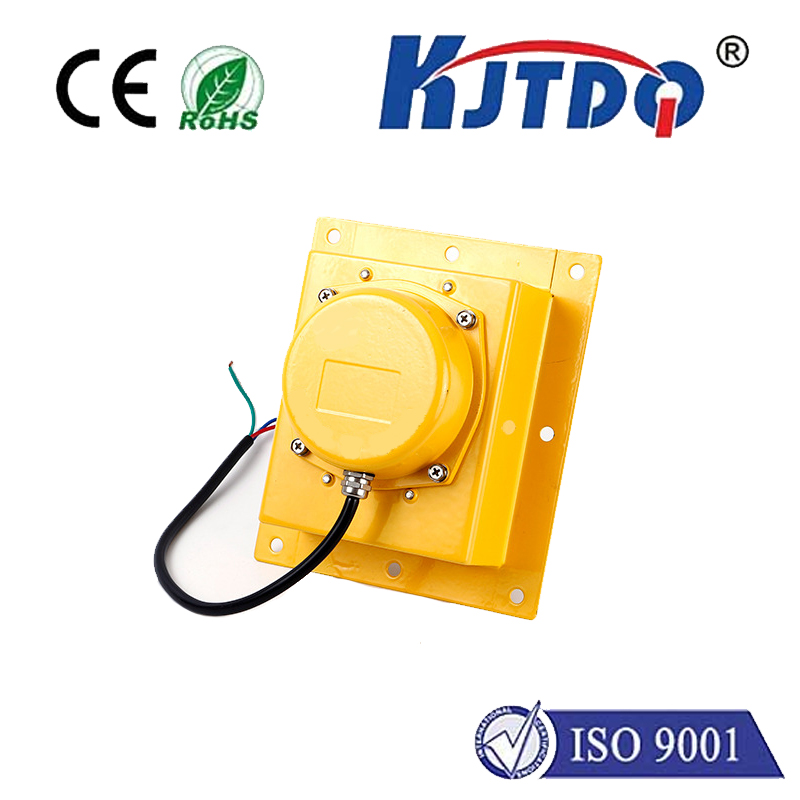
A pull cord switch, often referred to as an emergency stop switch or rope pull switch, is a manually operated safety device installed along the length of a conveyor belt. The WLCL designation typically refers to a specific model or series known for its reliability and durability. The core principle is simple yet effective: a cable or rope runs parallel to the conveyor. In an emergency—such as a worker becoming entangled, a material spill, or equipment malfunction—any person along the line can quickly pull this cord. This action immediately triggers the switch, cutting power to the conveyor drive motor and bringing the entire system to a halt. This instant response is crucial for preventing injuries, minimizing material damage, and avoiding costly production downtime.
The design of a robust pull cord switch like the WLCL model addresses harsh industrial realities. These units are typically housed in rugged, corrosion-resistant enclosures, often meeting IP65 or higher ratings for protection against dust and water ingress. They are engineered to withstand vibration, extreme temperatures, and exposure to potentially abrasive or corrosive materials common in mining, quarrying, aggregate processing, packaging, and warehouse logistics. The internal mechanism is designed for a clear, unambiguous switching action, often with a "trip-and-lock" function. Once activated, the switch remains in the stopped position until it is manually reset, ensuring the system cannot be restarted until the emergency situation has been safely addressed. Many models also feature highly visible visual indicators, such as bright flags or colored actuators, to clearly show the location and status (normal or tripped) of the switch.
Installation and positioning are key to the effectiveness of the WLCL pull cord switch. The pull cord or wire rope should be installed at a safe and accessible height, typically within easy reach of personnel working near the conveyor. It must run the entire length of the conveyor, including both sides on longer systems, ensuring no "blind spots" exist. Regular testing and maintenance are non-negotiable. Operational checks should be performed frequently to ensure the cord moves freely without obstruction and that the switch mechanism engages positively. A maintenance log should be kept to record these tests and any necessary adjustments or replacements.
Beyond immediate emergency response, the integration of a WLCL pull cord switch into a conveyor system's control circuit contributes to a broader culture of safety. It serves as a constant, physical reminder of safety priorities on the shop floor. Compliance with international safety standards, such as ISO 13850 (Safety of machinery — Emergency stop function — Principles for design) and various regional machinery directives, often mandates the use of such devices. Therefore, specifying and installing a certified, high-quality switch is not only a best practice but frequently a legal requirement.
In conclusion, the WLCL pull cord switch is far more than a simple button on a wire. It is a meticulously engineered safety sentinel, a fail-safe designed for the demanding conditions of industrial conveyance. Its presence ensures that in the critical moment of an emergency, human intervention can swiftly and decisively override automated processes, safeguarding lives and assets. For any operation relying on conveyor systems, investing in reliable safety components like the WLCL pull cord switch is an investment in operational integrity, regulatory compliance, and, most importantly, the well-being of every worker on the line.