check

check

check

check

check

check
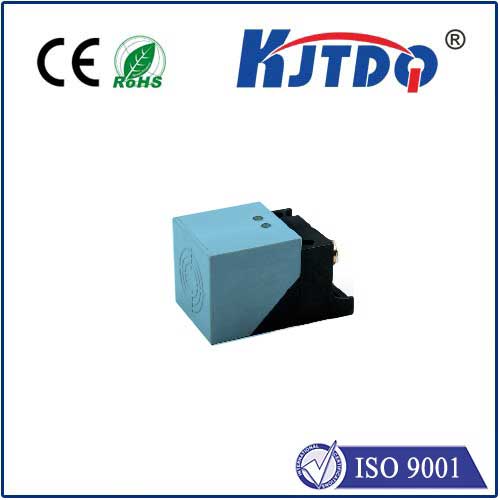
In industrial automation and machinery, reliability is non-negotiable. Sensors operating in wet, dusty, or chemically aggressive conditions face constant threats of failure, leading to costly downtime and maintenance. This is where the waterproof inductive sensor steps in, not merely as a component but as a robust guardian of continuous operation. Unlike standard inductive proximity sensors, these specialized devices are engineered with a critical extra layer of defense: a sealed housing that repels water, oils, coolants, and particulate matter without compromising their core sensing performance.
The principle remains elegantly simple. An waterproof inductive sensor generates an electromagnetic field. When a metallic target enters this field, eddy currents are induced, causing the sensor to switch. The true innovation lies in the encapsulation. High-grade materials like stainless steel (often V4A/AISI 316L), PBT plastic, or specialized epoxy resins form the body. Critical seals, typically made from advanced polymers like FKM (Viton) or silicone, are meticulously integrated at cable entries, housing joints, and the sensing face. This construction allows the sensor to achieve high Ingress Protection ratings, commonly IP67, IP68, and IP69K. An IP67 rating guarantees protection against temporary immersion, while IP68 and IP69K certify resilience against prolonged submersion and high-pressure, high-temperature jet cleaning, respectively. This makes them indispensable in food and beverage processing, marine applications, wastewater treatment, and outdoor mobile equipment.
Selecting the right waterproof inductive sensor requires attention to key specifications beyond the IP code. The sensing distance, while slightly less than non-sealed counterparts due to the protective barrier, must be precise for the application. Factors like the target material (steel, aluminum, brass) and size directly influence this range. Output configuration is another vital choice; PNP (sourcing) or NPN (sinking) transistor outputs must match the control system's PLC input card. Additionally, considering the electrical connection—pre-wired cable or quick-disconnect M12 connector—impacts installation ease and long-term serviceability. For extreme environments, sensors with chemical-resistant coatings or enhanced temperature ranges are available.
The operational benefits are substantial. First and foremost is dramatically increased longevity. By preventing internal corrosion and short-circuiting, these sensors reduce replacement frequency and total cost of ownership. They enable the automation of processes previously deemed too hostile, such as direct monitoring on CNC machine tool coolant lines or inside washdown areas in pharmaceutical plants. Their reliability ensures consistent signal detection, which is fundamental for precision counting, positioning, and safety interlocking. This consistency directly translates to higher product quality, improved machine efficiency, and enhanced overall plant safety.
Installation and maintenance, while straightforward, demand respect for the sensor's design. Ensuring the sealing surfaces are clean and undamaged during mounting is crucial. Over-tightening can warp housings and compromise seals, while under-tightening leaves gaps for ingress. Regular visual inspections for physical damage or seal degradation, coupled with functional checks, form a simple yet effective preventative maintenance routine. It is also essential to verify that the chosen sensor's housing material is compatible with the specific chemicals it will encounter.
From automotive assembly lines battling coolants and metal shavings to packaging machinery subjected to frequent hygienic washdowns, the waterproof inductive sensor has proven to be a cornerstone of modern industrial resilience. It represents a perfect synergy of fundamental sensing technology and advanced material science, delivering unwavering performance where it is needed most. As industries push towards smarter and more connected operations in increasingly challenging settings, the role of these durable sensors will only grow more central, silently ensuring that productivity flows uninterrupted, regardless of the environment's demands.