check

check

check

check

check

check
In the demanding environment of industrial operations, safety is not just a priority; it is the foundation upon which productivity and personnel well-being are built. Among the myriad of safety devices available, the emergency stop switch stands as a critical point of control. The LXA-34T2KH-EQ pull cord switch emerges as a paramount example of this category, designed specifically to provide a reliable and immediate means of halting machinery in case of an emergency. This device is far more than a simple component; it is an integral part of a comprehensive safety system for conveyor belts, assembly lines, and other long-reach machinery.
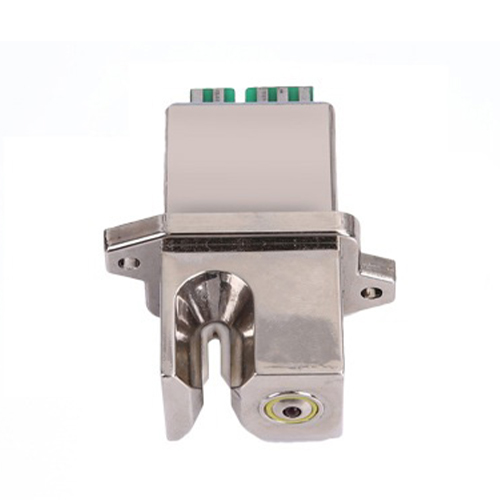
The core function of the LXA-34T2KH-EQ is straightforward yet vital: to stop connected equipment quickly when a pull cord is activated. This activation can be initiated by an operator anywhere along the length of the cord's run, offering a flexible and accessible emergency response option. The "EQ" in its designation often signifies enhanced quality or specific environmental ratings, suggesting a build suitable for challenging industrial conditions. Typically constructed with a robust metal or high-grade polymer housing, this switch is engineered to withstand dust, moisture, vibration, and mechanical impacts commonly found in factories, warehouses, and processing plants.
Installation of the LXA-34T2KH-EQ pull cord switch is a strategic process. It is mounted at regular intervals along the side of a conveyor or machine. A durable steel wire rope or nylon cord is then run through a series of pull boxes or along the machine's length, connected to the switch's actuator mechanism. In a standard safety configuration, pulling the cord at any point causes the switch to trip, breaking the control circuit and sending a stop signal to the motor drive or main controller. This immediate cessation of operation can prevent equipment damage, material spillage, and, most importantly, personal injury.
The advantages of implementing such a system are clear. First and foremost, it provides a fail-safe, manually operated emergency stop that is independent of the main control panel, which might be located far from the point of incident. This localized control drastically reduces response time. Secondly, its simple mechanical operation ensures high reliability; there are no complex programs or sensors that can fail, making it a trusted last line of defense. Maintenance is generally minimal, involving periodic checks for cord tension, switch alignment, and mechanical integrity to ensure it functions correctly when needed.
Choosing the right safety component like the LXA-34T2KH-EQ requires attention to specifications. Key factors include the switching capacity (voltage and current rating), the mechanical life expectancy (number of operations), the ingress protection (IP) rating for dust and water resistance, and the temperature range for operation. Compliance with international safety standards, such as IEC 60947-5-5 or relevant ANSI/ISO standards, is also a crucial indicator of its reliability and safety performance. This ensures the device meets rigorous global benchmarks for emergency stop equipment.
Beyond basic functionality, modern pull cord switches like the LXA-34T2KH-EQ can be integrated into broader automated safety networks. They can be connected to programmable logic controllers (PLCs) or safety relays to not only stop the machine but also trigger alarms, lock out systems, or send diagnostic alerts to maintenance teams, thereby enhancing overall plant safety intelligence. This integration turns a simple mechanical action into a data point for proactive safety management.
In conclusion, the LXA-34T2KH-EQ pull cord switch represents a fundamental and non-negotiable element in industrial machine safety. Its design prioritizes immediate accessibility, rugged durability, and unwavering reliability. For engineers, facility managers, and safety officers, selecting and properly installing such devices is a direct investment in operational continuity and workforce protection. In the complex ecosystem of industrial automation, the humble pull cord switch remains an unequivocally vital safeguard, ensuring that human safety always has a direct line to machine control.