check

check

check

check

check

check
In the fast-paced world of textile manufacturing, precision and reliability are paramount. The integration of advanced proximity sensors into textile machinery has revolutionized the industry, offering unprecedented control and efficiency. These sensors, specifically designed for the demanding environments of textile production, play a crucial role in monitoring and managing various processes without physical contact.
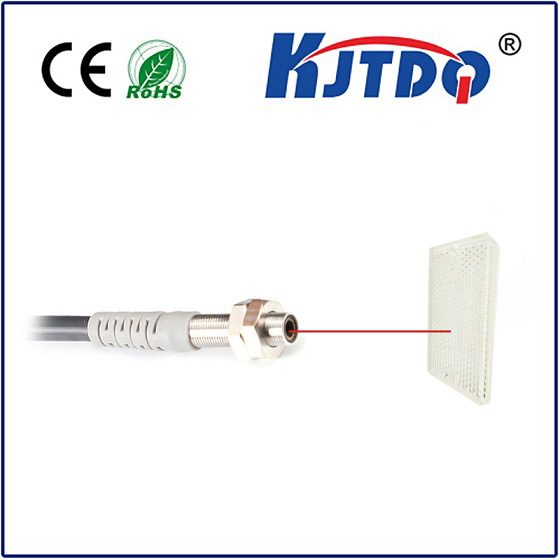
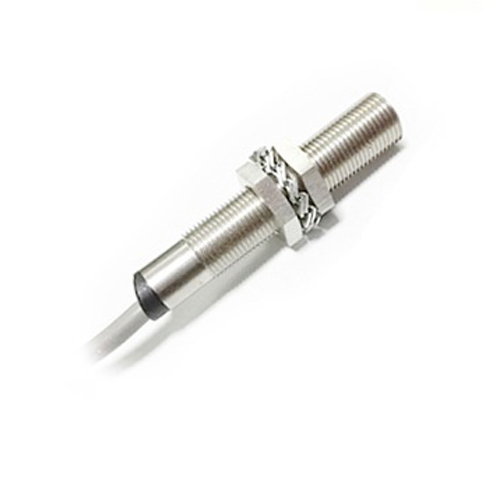
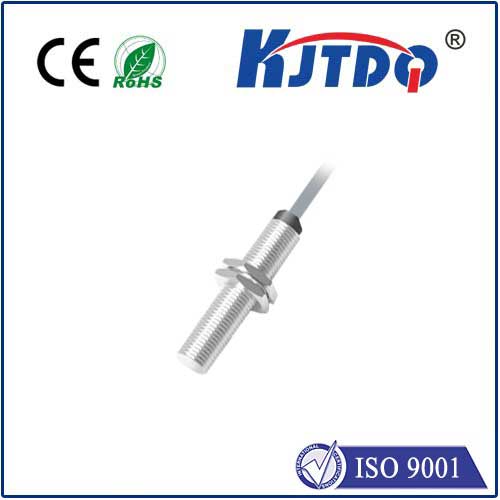
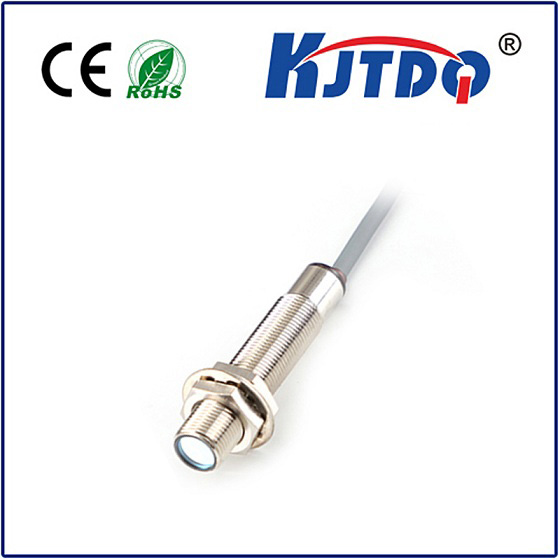
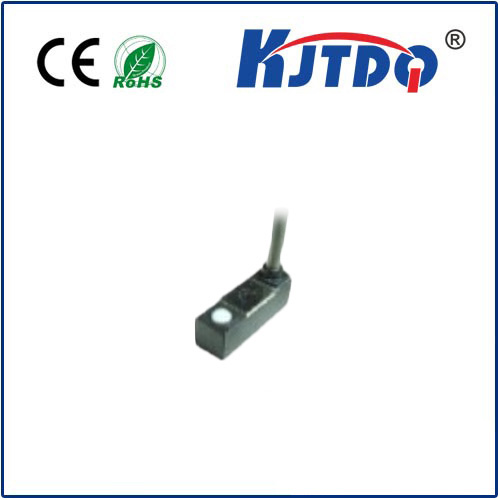
Proximity sensors for textile machines are engineered to detect the presence or absence of materials, such as yarns, fabrics, or machine components, using electromagnetic or capacitive fields. This non-contact detection method is essential in preventing wear and tear, reducing maintenance costs, and minimizing downtime. For instance, in spinning machines, these sensors ensure proper yarn tension and alignment, preventing breaks and ensuring consistent quality. In weaving looms, they monitor shuttle movement and fabric position, enabling real-time adjustments for flawless pattern creation.
The durability of these sensors is a key factor, as textile mills often involve harsh conditions with dust, lint, and moisture. High-quality proximity sensors are built with robust housings and sealed designs to withstand such challenges, ensuring long-term performance. Moreover, their high-speed response capabilities allow for rapid detection, which is critical in high-production settings where even milliseconds count. This leads to enhanced productivity, as machines can operate at optimal speeds with fewer errors.
Energy efficiency is another significant benefit. By operating only when needed and consuming minimal power, proximity sensors contribute to sustainable manufacturing practices. They also facilitate automation, allowing textile machines to operate with minimal human intervention. This not only reduces labor costs but also improves safety by keeping operators away from moving parts.
In summary, the adoption of proximity sensors in textile machinery is a game-changer. It drives innovation by enabling smarter, more responsive equipment that meets the growing demands for quality and speed in the global textile market. As technology advances, these sensors will continue to evolve, offering even greater precision and integration capabilities for the future of textile manufacturing.