check

check

check

check

check

check
In the rapidly evolving landscape of smart technology, seamless and intuitive user interaction is paramount. One component playing a crucial yet often overlooked role in achieving this is the proximity sensor. Specifically, the integration of advanced ring proximity sensor technology, such as the KJTDQ series, is revolutionizing how we interface with our devices, making interactions more efficient, reliable, and energy-conscious.
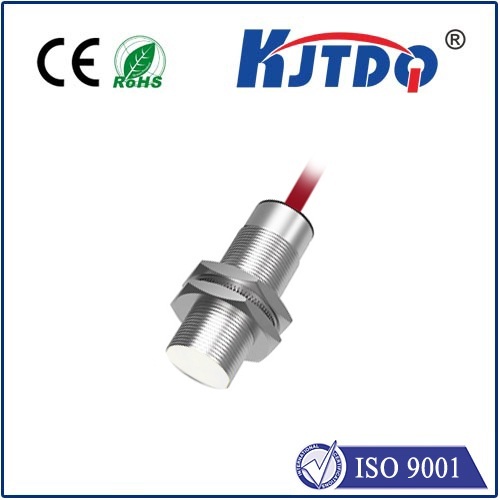
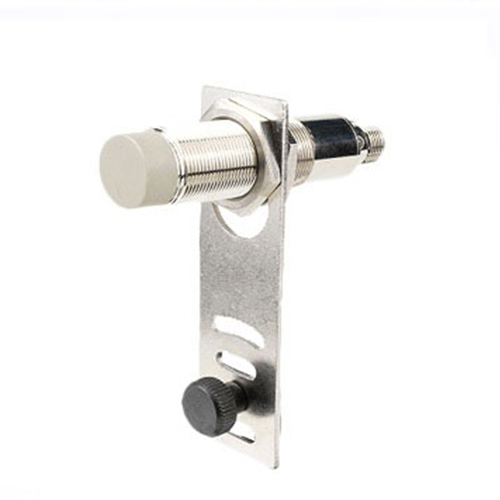
At its core, a ring proximity sensor is a non-contact device that detects the presence or absence of an object within a specific range. Unlike simple switches or buttons, it operates by emitting an electromagnetic field or a beam of electromagnetic radiation (often infrared light) and then looking for changes in the field or return signal. The "ring" design typically refers to its physical configuration, which allows for 360-degree detection or a specific annular sensing area. This design is particularly advantageous in applications where detection from all sides is necessary or where space constraints require a compact, annular form factor.
The KJTDQ ring proximity sensor exemplifies the next step in this technology. Engineered for high precision and durability, it finds critical applications across diverse industries. In industrial automation, for instance, these sensors are indispensable for precise object positioning on assembly lines, ensuring robotic arms or machinery operate only when a component is correctly aligned within the ring's detection zone. This prevents malfunctions and enhances production safety. Similarly, in the automotive sector, they contribute to smart features like automatic parking assistance, where detecting obstacles around the vehicle's perimeter is essential.
For consumer electronics, the impact is directly felt in user experience. Modern smartphones and tablets utilize sophisticated proximity sensors to disable touchscreen input when the device is held to the ear during a call, preventing accidental screen presses. The enhanced sensitivity and reduced latency of advanced models like the KJTDQ improve this function, making it more responsive. Furthermore, in smart home ecosystems, these sensors enable touchless control of appliances. A simple wave of a hand near a sensor ring on a smart lamp or kitchen faucet can trigger an action, promoting hygiene and convenience. This technology is also pivotal in developing next-generation wearable devices, where gesture control within a defined spatial ring around the device can navigate menus or control media playback without physical contact.
The technical advantages of high-end ring proximity sensors are significant. They offer remarkable accuracy in detection distance, which can be finely tuned. Their response time is exceptionally fast, enabling real-time interaction crucial for dynamic applications. Durability is another key benefit; with no moving parts and robust construction, they withstand harsh environments involving dust, moisture, or temperature variations far better than mechanical switches. Importantly, they contribute to energy efficiency. By activating a device or function only when an object is detected, they prevent unnecessary power drain, a critical feature for battery-operated portable devices.
Looking ahead, the integration of ring proximity sensors like the KJTDQ with the Internet of Things (IoT) and Artificial Intelligence (AI) opens new frontiers. In smart security systems, a network of such sensors can map movement within a protected area with high precision. In interactive retail displays, they can detect user engagement and present customized information. As machine learning algorithms improve, these sensors will provide richer contextual data, allowing devices to anticipate user intent based on proximity patterns.
However, successful implementation requires careful consideration. Factors such as the required sensing range, the material of the target object (as some materials may not reflect signals effectively), environmental interference from other light or electrical sources, and the physical size of the sensor ring must be evaluated during the design phase. Proper shielding and calibration are essential for optimal performance.
In conclusion, the humble proximity sensor, particularly in its advanced ring configuration as seen in the KJTDQ series, is a foundational technology enabling smarter, more responsive, and energy-efficient interactions between humans and machines. Its continuous refinement is quietly powering the shift towards more intuitive and seamless digital experiences across industrial, automotive, and consumer domains, proving that sometimes the smallest components drive the most significant advancements in usability and functionality.