check

check

check

check

check

check
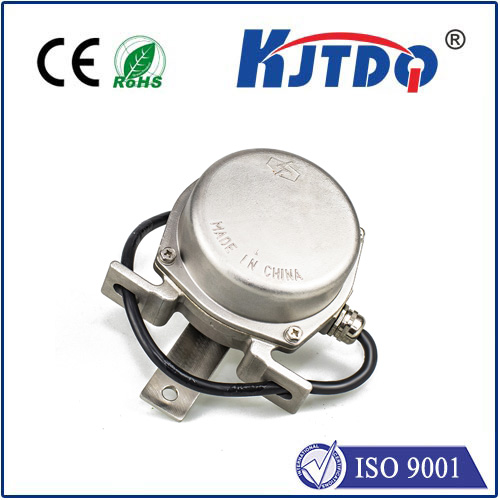
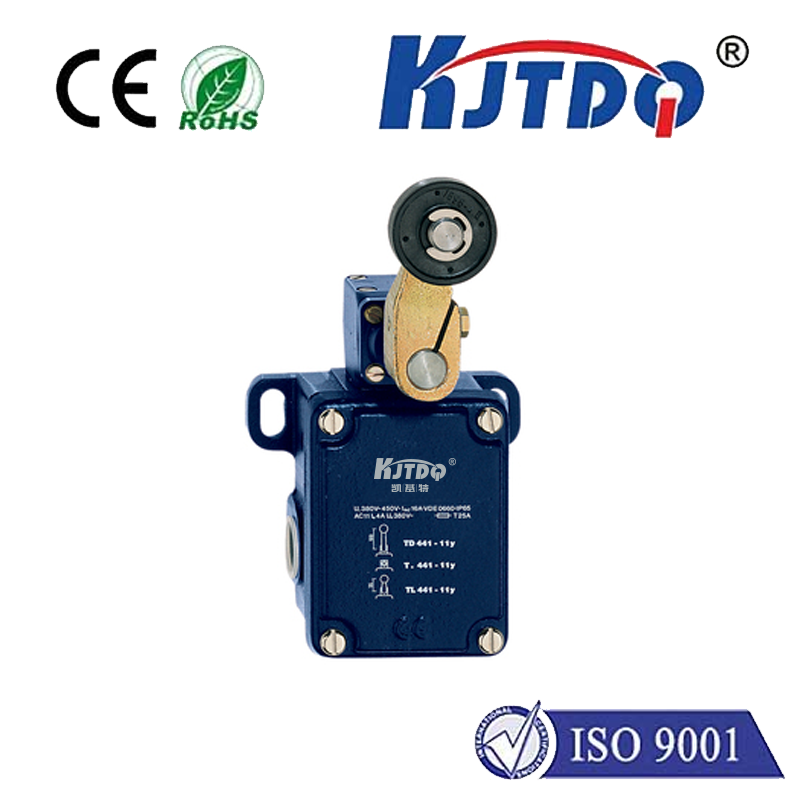
In industrial automation and machinery control, precision, reliability, and safety are non-negotiable. Among the myriad components that ensure seamless operations, the ERS-CE limit switch stands out as a critical device for monitoring and controlling mechanical movement. This robust switch is engineered to detect the presence or position of an object, triggering an electrical circuit to start, stop, or alter a machine's function. Its design typically incorporates a rugged housing to withstand harsh environments—including dust, moisture, and extreme temperatures—making it a staple in manufacturing, packaging, material handling, and automotive assembly lines.
The operational principle of an ERS-CE limit switch is straightforward yet highly effective. It consists of an actuator—often a lever, roller, or plunger—that makes physical contact with a moving part. When the actuator is displaced, it internally moves a set of contacts to open or close the circuit. This action sends a signal to a control system, such as a PLC (Programmable Logic Controller), which then executes a predefined command. For instance, in a conveyor system, the switch might halt the belt when a product reaches a specific point, preventing jams or overflows. In robotic arms, it ensures movements remain within safe boundaries, avoiding collisions or damage.
One of the key advantages of the ERS-CE series is its versatility. Available in various configurations, including slow-action, snap-action, and hermetically sealed models, it can be tailored to diverse applications. Slow-action switches are ideal for scenarios requiring gradual contact engagement, reducing wear and tear, while snap-action variants provide rapid switching for high-speed operations. The hermetically sealed options offer enhanced protection in corrosive or explosive atmospheres, ensuring longevity and compliance with safety standards like IEC and NEMA ratings.
Installation and maintenance of ERS-CE limit switches are designed for efficiency. Many models feature modular components, allowing for easy replacement of actuators or contacts without dismantling the entire unit. Regular checks for alignment, actuator integrity, and contact cleanliness can prevent downtime. Common issues, such as false triggering or failure to actuate, often stem from misalignment or environmental debris, highlighting the need for proper sealing and positioning during setup.
In practice, integrating ERS-CE limit switches into a control system enhances both productivity and safety. By providing precise positional feedback, they enable automated sequences to run smoothly, reducing manual intervention and human error. In emergency scenarios, these switches serve as fail-safes, instantly cutting power to machinery if a hazardous condition is detected. This dual role—optimizing performance while safeguarding equipment and personnel—makes them indispensable in modern industry.
Looking ahead, advancements in sensor technology, such as the integration of IoT connectivity, are expanding the capabilities of traditional limit switches. Some ERS-CE models now incorporate diagnostic features, transmitting real-time data on switch status to monitoring systems for predictive maintenance. However, their mechanical simplicity remains a strength, offering a cost-effective and reliable solution where electronic sensors might be prone to interference or failure.
For engineers and operators, selecting the right ERS-CE limit switch involves considering factors like actuation force, contact rating, enclosure type, and environmental resistance. Consulting manufacturer specifications and industry guidelines ensures optimal performance. Ultimately, whether used in simple packaging machines or complex assembly lines, these switches exemplify how a well-designed component can drive operational excellence, blending durability with precise control to meet the demands of today's dynamic industrial landscape.