check

check

check

check

check

check
In the realm of industrial automation, precision and reliability are paramount. One critical component that ensures these qualities is the position limit switch, a device designed to detect the presence or absence of an object within a specified range. Among the various types available, the KJTDQ position limit switch stands out for its robust performance and adaptability in demanding environments. This article delves into the functionality, applications, and benefits of this essential tool, shedding light on why it is a preferred choice for engineers and technicians worldwide.
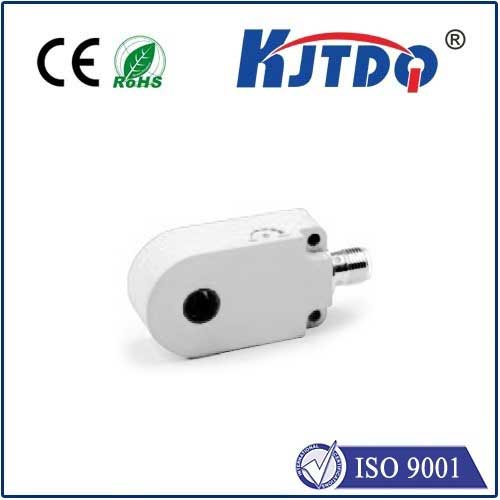
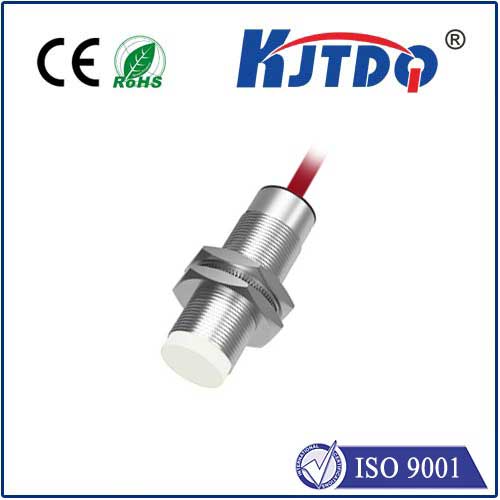
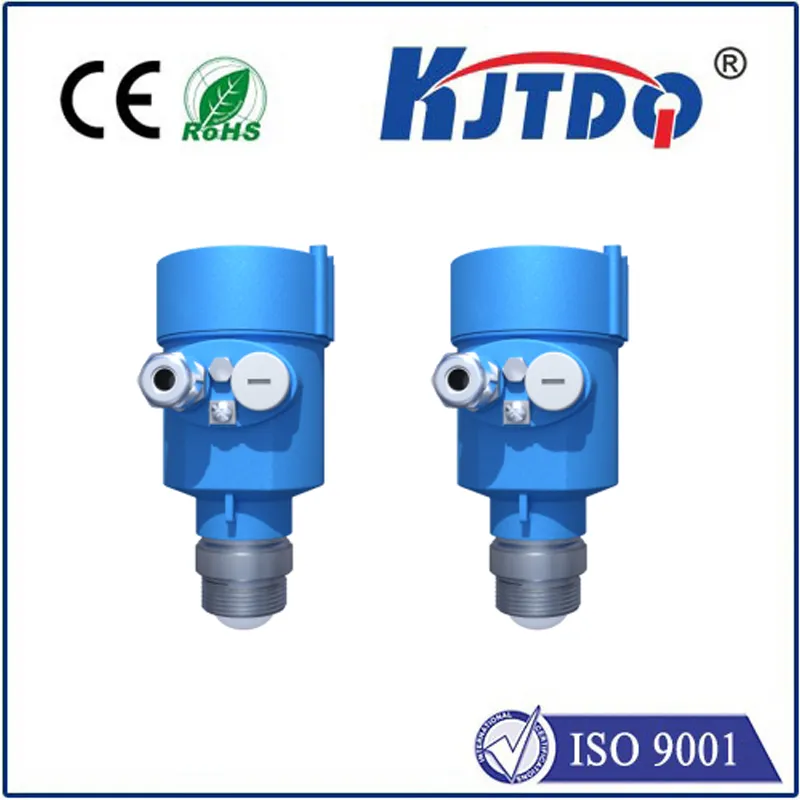
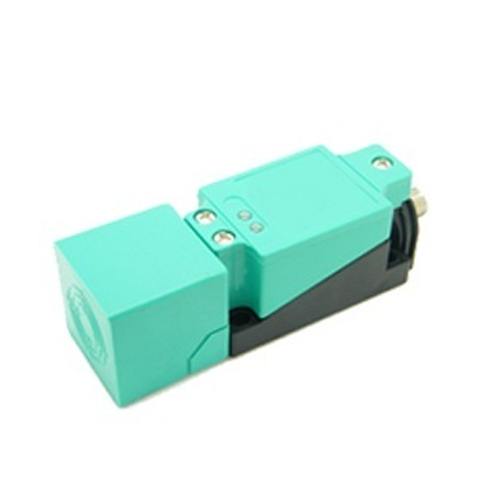
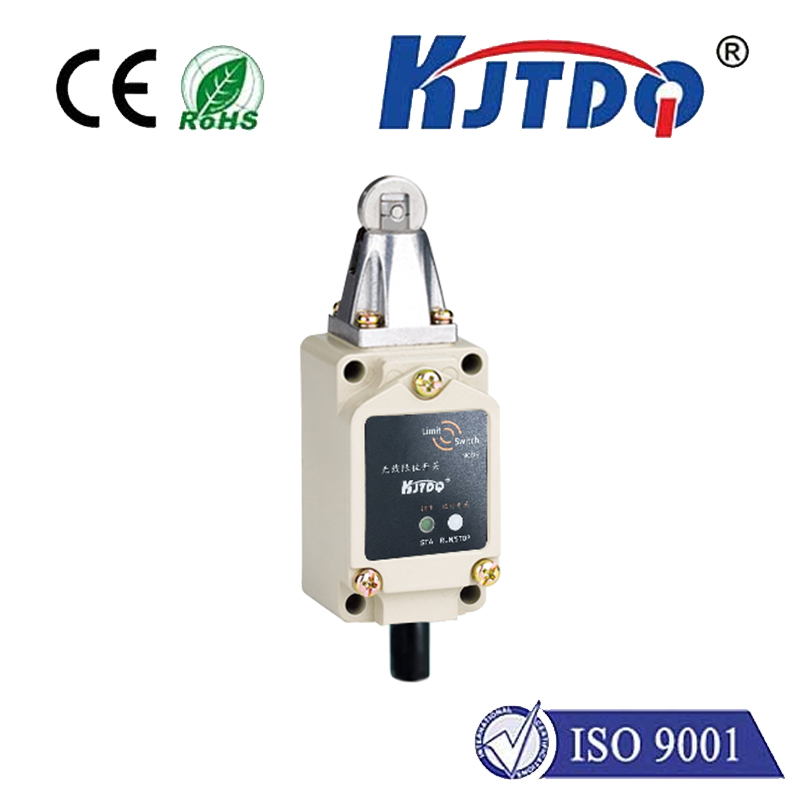
Position limit switches, including the KJTDQ model, operate by mechanically or electronically sensing when a moving part reaches a predetermined point. They are commonly used in machinery such as conveyor belts, robotic arms, and elevators to control movement and prevent over-travel, which can lead to equipment damage or safety hazards. The KJTDQ switch is engineered with durability in mind, featuring a sturdy housing that protects internal components from dust, moisture, and mechanical shocks. This makes it suitable for industries like manufacturing, mining, and logistics, where conditions can be harsh and unpredictable.
The design of the KJTDQ position limit switch incorporates advanced sensing technology, allowing for accurate detection even in high-speed operations. It typically includes a lever or roller actuator that triggers a switch when contacted by an object, sending a signal to the control system to stop or change the direction of motion. This responsiveness is crucial for maintaining efficiency and preventing downtime in automated processes. Moreover, many KJTDQ switches offer adjustable settings, enabling customization for specific applications without the need for complex recalibrations.
In practice, the KJTDQ position limit switch contributes significantly to operational safety. By limiting the range of motion, it helps avoid collisions and reduces the risk of accidents in workplaces. For instance, in automated assembly lines, these switches ensure that robotic components move only within safe zones, protecting both machinery and personnel. Additionally, their reliability minimizes false triggers, which can disrupt production and increase maintenance costs. Regular maintenance, such as checking for wear on actuators and ensuring proper alignment, can extend the lifespan of these switches, making them a cost-effective solution in the long run.
Beyond industrial settings, the KJTDQ position limit switch finds applications in sectors like renewable energy and transportation. In wind turbines, for example, it monitors blade position to optimize performance and prevent damage during extreme weather. In railway systems, it aids in controlling door mechanisms and track switches, enhancing passenger safety. The versatility of the KJTDQ model stems from its ability to integrate with various control systems, including programmable logic controllers (PLCs) and supervisory control and data acquisition (SCADA) systems, facilitating seamless automation.
As technology evolves, the demand for smarter and more connected devices grows. The KJTDQ position limit switch is keeping pace with innovations such as IoT-enabled sensors that provide real-time data on equipment status. This connectivity allows for predictive maintenance, where potential issues are identified before they cause failures, further boosting productivity. Engineers appreciate the switch's compatibility with modern automation trends, ensuring it remains relevant in an increasingly digital landscape.
In conclusion, the KJTDQ position limit switch is a vital component in modern automation, offering precision, durability, and safety across diverse industries. Its role in controlling movement and preventing errors underscores its importance in efficient and reliable operations. For businesses seeking to enhance their automated systems, investing in high-quality limit switches like the KJTDQ model can lead to improved performance and reduced operational risks. By understanding its features and applications, professionals can make informed decisions that drive innovation and success in their fields.