check

check

check

check

check

check
In the intricate world of heating, ventilation, and air conditioning (HVAC) systems, numerous components work in silent harmony to ensure our comfort and safety. Among these unsung heroes is the blower limit switch, a critical safety and control device that often goes unnoticed until a problem arises. This small but mighty component plays a pivotal role in regulating furnace operation and preventing hazardous conditions.
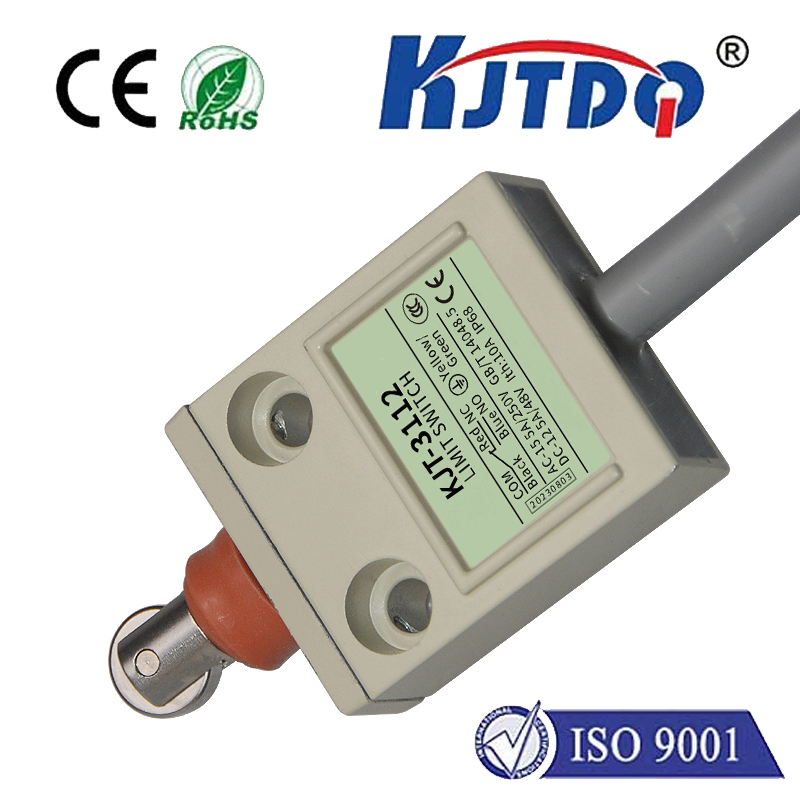
At its core, a blower limit switch is a temperature-activated control device typically found in gas-fired furnaces. Its primary function is twofold: to protect the furnace from overheating and to control the operation of the blower fan. The switch is strategically mounted on or near the furnace's heat exchanger, the component responsible for transferring heat from the combustion process to the air circulating through your home.
The operational principle of the blower limit switch is elegantly simple yet profoundly important. It contains a temperature sensor, often a bi-metallic strip or a rod-and-tube mechanism, that responds to heat. When the furnace begins a heating cycle, the heat exchanger's temperature rises. Once it reaches a predetermined "high limit" temperature, usually between 90°F and 120°F (32°C to 49°C), the switch activates, completing an electrical circuit that turns on the blower fan. This fan then circulates warm air throughout the ductwork.
The blower continues to run as long as the heat exchanger remains above a lower set point, the "low limit" or "fan off" temperature. This ensures that residual heat is effectively distributed even after the burners have shut off, improving system efficiency and comfort by preventing cold blasts of air. Crucially, the switch also features a safety limit, an upper temperature threshold—often around 200°F (93°C)—that, if reached, will interrupt the main gas valve circuit, shutting down the burners entirely to prevent dangerous overheating, potential heat exchanger damage, or even a fire risk.
Common issues with blower limit switches often manifest in specific symptoms. A frequent problem is a continuous blower operation, where the fan never turns off. This can indicate that the switch is stuck in the "on" position, often due to a failed mechanism or excessive dirt and debris interfering with its operation. Conversely, a blower that fails to start or starts only intermittently may point to a faulty switch that isn't activating at the correct temperature. Another telltale sign is short cycling, where the furnace repeatedly turns on and off in quick succession, which can be caused by a limit switch tripping its safety cutoff too frequently due to airflow restrictions or a failing component.
Several factors can lead to the premature failure or malfunction of a blower limit switch. Restricted airflow is a primary culprit. A clogged air filter, blocked vents, or a failing blower motor itself can cause heat to build up in the exchanger, causing the limit switch to cycle abnormally or trip constantly, eventually wearing it out. Age and general wear are also factors; like all mechanical and electrical devices, these switches have a finite lifespan. Furthermore, improper installation, such as incorrect positioning or loose electrical connections, can lead to erratic performance. In some cases, what appears to be a bad limit switch is actually a symptom of a larger problem, like a cracked heat exchanger causing abnormal temperature readings.
When troubleshooting, safety is paramount. Always turn off the electrical power and gas supply to the furnace before any inspection. A visual check can reveal obvious issues like corrosion, physical damage, or loose wires. Technicians often use a multimeter to test for continuity across the switch's terminals at different temperatures to determine if it is opening and closing circuits correctly. Cleaning the switch and its surrounding area of dust and debris is a simple first step. However, due to the critical safety role it plays, replacement is usually recommended over repair if a fault is confirmed. It is crucial to replace it with an OEM (Original Equipment Manufacturer) or an exact specification-matched part to ensure proper calibration and safe operation.
Regular maintenance is the best defense against blower limit switch problems and ensures overall furnace health. This includes changing air filters every one to three months, ensuring all supply and return vents are unobstructed, and scheduling annual professional inspections. A technician will clean components, check airflow, verify gas pressure, and test safety controls like the limit switch during a routine service call.
Understanding the function and importance of the blower limit switch empowers homeowners to recognize early warning signs of furnace distress. It is not merely a component that turns a fan on and off; it is a vital guardian of your furnace's integrity and your home's safety. By ensuring proper airflow and adhering to a consistent maintenance schedule, you can help this small device perform its duty reliably for years, contributing to the efficient, safe, and comfortable operation of your home's heating system.