check

check

check

check

check

check
In the intricate world of industrial automation and machinery control, precision and safety are non-negotiable. Among the myriad of components that ensure seamless operation, the cross limit switch stands out as a fundamental yet critical device. Often referred to as a limit switch or positional switch, it acts as the silent sentinel, defining the boundaries of motion for moving parts and preventing catastrophic failures.
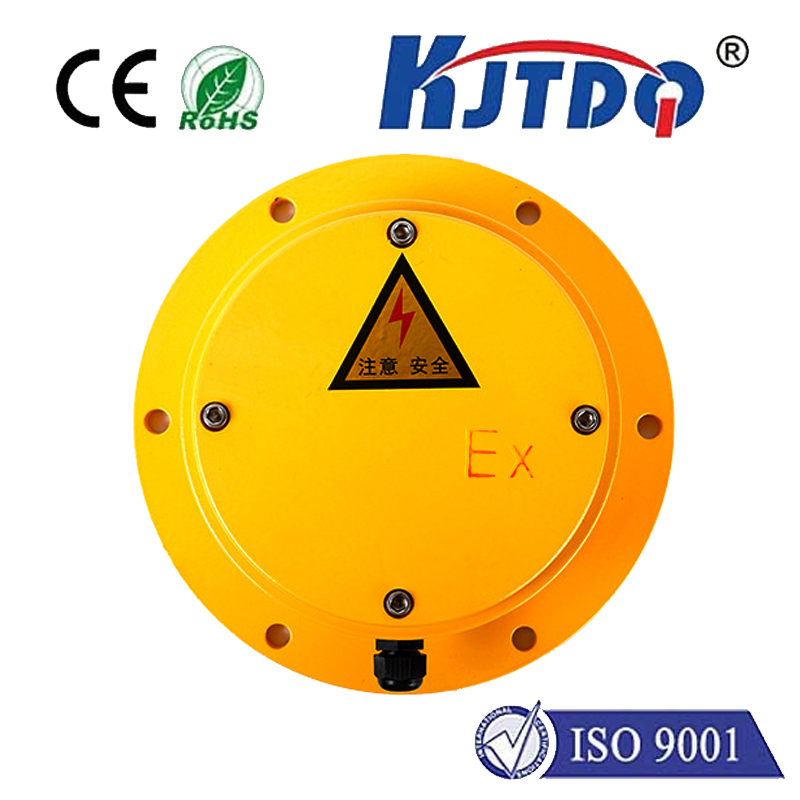
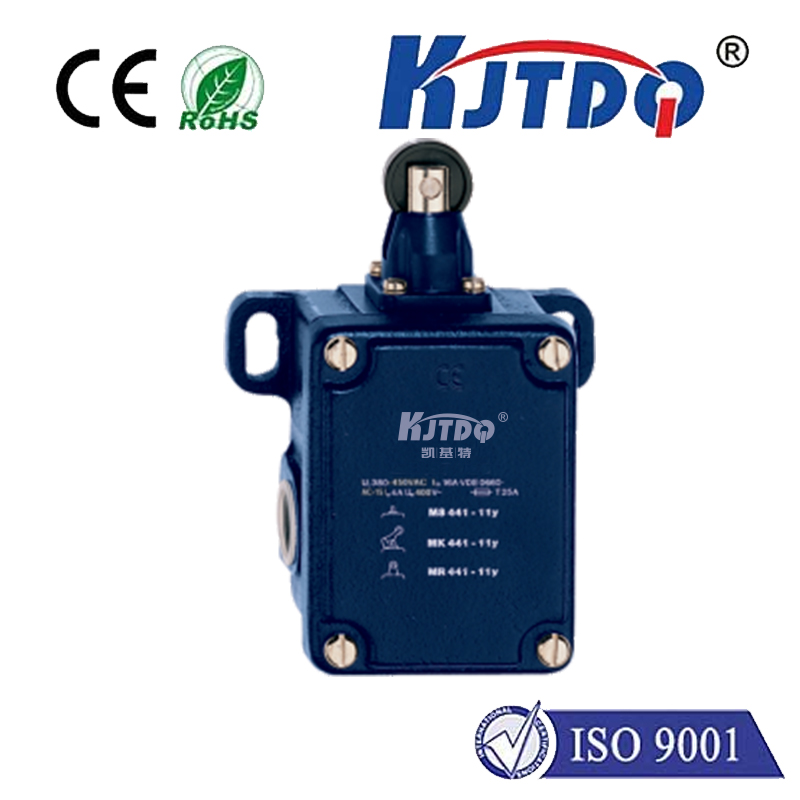
A cross limit switch is essentially an electromechanical device designed to detect the presence or absence of an object, or to monitor and restrict the movement of a machine component to a predetermined safe range. The term "cross" often relates to its specific configuration or the crossing point of actuation, making it highly reliable in applications requiring precise positional feedback. When a machine part, such as a robotic arm, conveyor belt, or elevator car, reaches a set limit, the switch is actuated—either through physical contact with a lever, roller, or plunger. This action changes the state of its electrical contacts, sending a crucial signal to the control system to stop, reverse, or initiate a new sequence of operations.
The operational principle is elegantly simple but profoundly effective. Inside the robust housing, a mechanical actuator is linked to a set of contacts. Movement of the actuator beyond a specific point physically crosses an electrical circuit's threshold, hence the "cross" designation in some models. This direct physical link ensures high reliability and fast response, which are paramount in high-speed production environments. Unlike purely electronic sensors, this electromechanical nature provides a definitive, hard stop signal that control systems trust implicitly.
The applications for cross limit switches are vast and varied. In manufacturing, they are indispensable on assembly lines, ensuring robotic welders or painters operate within their designated work envelopes. In material handling, they prevent cranes and hoists from over-traveling, protecting both the equipment and the load. The automotive industry relies on them for precise positioning in stamping presses and automated guided vehicles. Even in everyday applications like garage door openers or commercial elevators, these switches are the primary safety feature that prevents doors from closing on an object or elevators from moving beyond the top or bottom floor.
Selecting the right cross limit switch involves careful consideration of several factors. The environmental conditions are crucial; switches come with varying degrees of ingress protection (IP ratings) for dust and water resistance. Factors like operating temperature, the required mechanical life (number of actuations), electrical load (current and voltage rating of the contacts), and the type of actuator (roller lever, plunger, whisker) must align with the application's demands. For harsh environments with oil, coolants, or metal chips, ruggedized or sealed units are mandatory.
Installation and maintenance are straightforward but vital for long-term reliability. Proper alignment of the actuator with the moving part is essential to ensure consistent triggering. Regular inspection for wear on the actuator mechanism and periodic checking of the electrical connection integrity can prevent unplanned downtime. Their simple design often means easier troubleshooting compared to more complex proximity sensors.
While modern automation increasingly incorporates non-contact sensors like inductive or capacitive proximity switches, the cross limit switch retains a dominant position. Its key advantages—physical robustness, immunity to electrical noise, clear state indication, and the ability to handle high-current loads directly—make it irreplaceable for many safety-critical and primary positioning tasks. It provides a fail-safe mechanical backup that electronic systems alone cannot guarantee.
In conclusion, the cross limit switch remains a cornerstone of industrial control systems. Its role in enforcing operational boundaries ensures not only the efficiency and precision of automated processes but, more importantly, the safety of personnel and machinery. As industries advance towards smarter factories, this reliable component continues to evolve, integrating with digital control networks while maintaining its core, trustworthy electromechanical function. For engineers and system designers, understanding and correctly implementing cross limit switches is a fundamental step in building resilient and safe automation solutions.