check

check

check

check

check

check
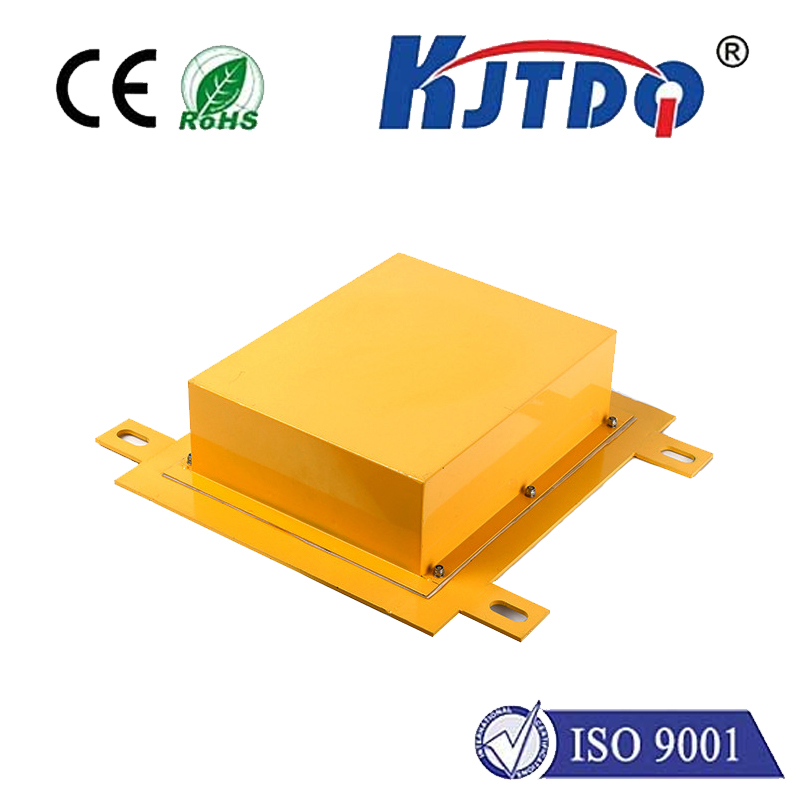
In the realm of industrial automation and machinery control, precision and safety are non-negotiable. Among the myriad components that ensure these standards, the light limit switch stands out as a critical, yet often understated, element. This device, particularly the KJTDQ series, represents a sophisticated fusion of optical sensing and mechanical reliability, designed to deliver unparalleled performance in demanding environments.
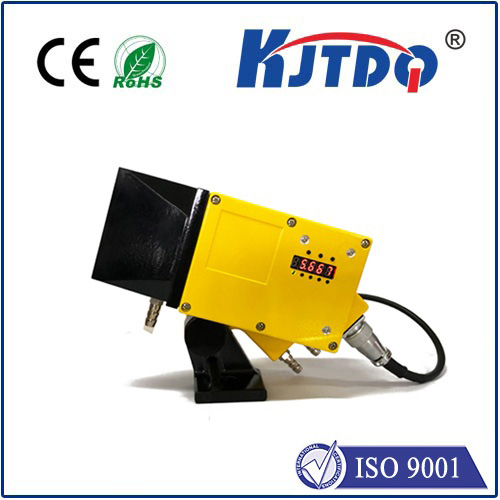
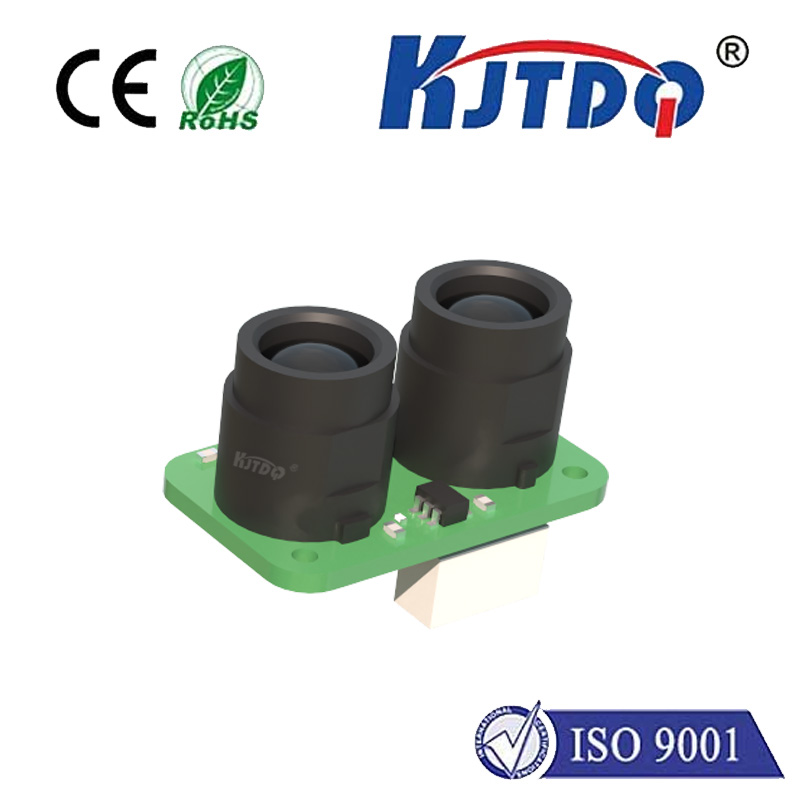
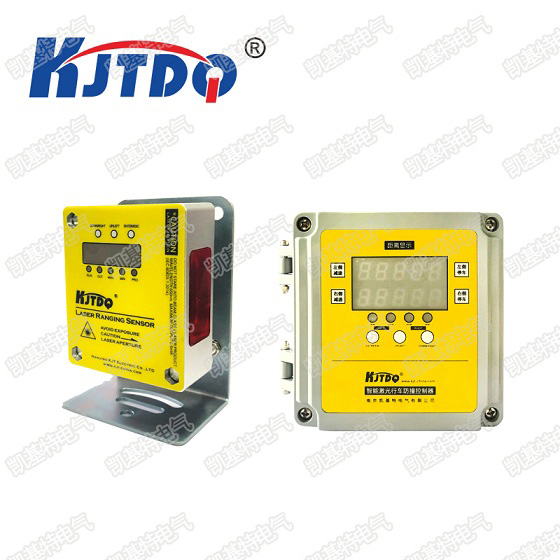
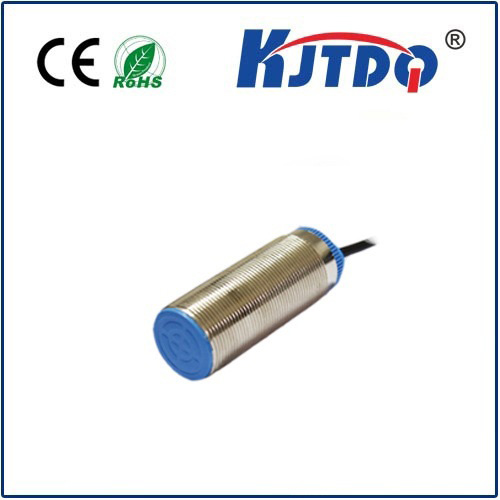
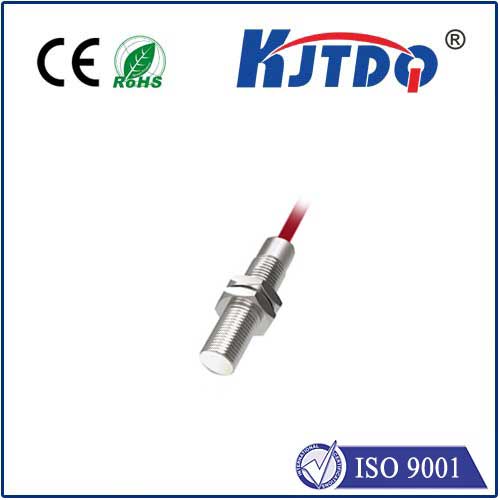
A light limit switch, at its core, is a sensor that uses a beam of light to detect the presence, absence, or position of an object. Unlike traditional mechanical limit switches that require physical contact, the light-based variant operates non-invasively. The KJTDQ model elevates this principle by employing advanced modulated infrared or laser light sources. This modulation is key; it allows the sensor to distinguish its own light signal from ambient factory lighting, drastically reducing false triggers and ensuring stable operation even in brightly lit or dirty conditions. The switch typically consists of two main components: a transmitter that emits the light beam and a receiver that detects it. When an object interrupts this beam, the receiver signals the connected control system, triggering a predefined action such as stopping a conveyor belt, halting a robotic arm, or initiating the next step in a sequence.
The applications for the KJTDQ light limit switch are vast and varied. In automated assembly lines, they provide precise positioning control for components, ensuring each part is correctly aligned before a robotic welder or screwdriver engages. In packaging machinery, they detect when a product is in place for sealing or labeling, maintaining high throughput without jams. Material handling systems, such as stacker cranes in warehouses, rely on these switches for safe positioning, preventing collisions and over-travel. Furthermore, in safety-critical setups, they can serve as non-contact emergency stop barriers or access guards, instantly shutting down equipment if a light curtain is breached, thereby protecting personnel.
Choosing the KJTDQ series offers several distinct advantages. First is its exceptional accuracy and repeatability. The non-contact nature means there is no mechanical wear on the sensing element itself, leading to a significantly longer operational lifespan compared to mechanical switches. This translates to reduced maintenance costs and less downtime. Second is its speed. The response time of a light beam is virtually instantaneous, enabling control of high-speed processes where mechanical switches would be too slow. Third is environmental resilience. High-quality models like the KJTDQ are often housed in rugged, sealed enclosures with ingress protection ratings (e.g., IP67), making them resistant to dust, moisture, oil, and vibration commonly found in industrial settings. Finally, their versatility is a major benefit. With adjustable sensing ranges and various output options (like NPN/PNP transistors or relay contacts), they can be easily integrated into diverse control systems, from simple PLCs to complex networked architectures.
Installation and alignment are straightforward but crucial for optimal performance. The transmitter and receiver must be securely mounted and precisely aligned so that the beam is correctly received. Many KJTDQ switches feature built-in alignment indicators, such as LED lights that change color or status when the beam is properly intercepted, simplifying setup. Regular maintenance primarily involves keeping the lens surfaces clean from obstructions like dust or grime, which could attenuate the light signal. A simple periodic wipe is usually sufficient.
As Industry 4.0 continues to evolve, the role of intelligent sensors like the light limit switch expands. The future of the KJTDQ series may see greater integration with Industrial Internet of Things (IIoT) platforms, featuring built-in diagnostics, predictive maintenance alerts, and direct data communication over industrial Ethernet protocols. This intelligence will not only report a fault but also predict one, further enhancing system reliability and efficiency.
In conclusion, the light limit switch, exemplified by the KJTDQ series, is far more than a simple on/off detector. It is a cornerstone of modern automation, enabling the precise, safe, and reliable operation of complex machinery. Its non-contact operation, durability, and speed make it an indispensable tool for engineers seeking to optimize production lines, enhance safety protocols, and build more resilient automated systems. For any application requiring dependable object detection, the KJTDQ light limit switch provides a robust and technologically advanced solution.