check

check

check

check

check

check
When it comes to maintaining optimal performance in HVAC systems, the end switch plays a crucial yet often overlooked role. This small but vital component is integral to the functionality of various heating, ventilation, and air conditioning units, ensuring they operate efficiently and safely. In this comprehensive guide, we’ll delve into what an end switch is, how it works, common issues that arise, and practical tips for troubleshooting and maintenance.
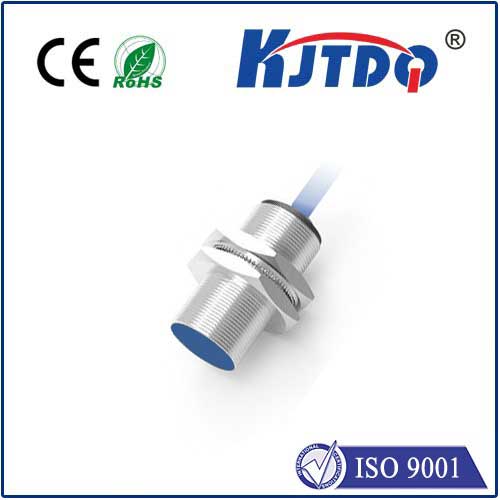
An end switch, also known as a limit switch or safety switch, is a device installed in HVAC systems to monitor and control specific operations. Typically found in furnaces, air handlers, and zone control systems, it acts as a safeguard by shutting off equipment when predetermined limits are reached. For instance, in a furnace, the end switch might detect when the blower door is open or closed, preventing the system from running if safety conditions aren’t met. This not only protects the equipment from damage but also enhances user safety by reducing risks of overheating or electrical hazards.
The mechanism of an end switch is relatively straightforward. It consists of a set of electrical contacts that open or close based on physical movements, such as a lever or plunger being activated. When the HVAC system reaches a certain point in its cycle—like the completion of a damper movement in a zoning system—the end switch signals the control board to proceed to the next step or halt operation. This ensures seamless coordination between different components, contributing to energy efficiency and consistent indoor comfort. Without a properly functioning end switch, systems may fail to start, run continuously, or exhibit erratic behavior, leading to increased energy bills and potential breakdowns.
Common issues with end switches often stem from wear and tear, dirt accumulation, or misalignment. Over time, the contacts can become corroded or stuck, causing the switch to fail in sending accurate signals. In zoning systems, for example, a faulty end switch might prevent dampers from opening or closing fully, resulting in uneven temperature distribution across rooms. Symptoms of a problematic end switch include HVAC units that won’t turn on, short cycling (frequent on-and-off cycles), or error codes displayed on thermostats. Regular inspection can help identify these problems early, avoiding costly repairs down the line.
Troubleshooting an end switch requires basic tools and a cautious approach. First, ensure the power to the HVAC system is turned off to prevent electrical shocks. Visually inspect the switch for any obvious signs of damage, such as burnt wires or loose connections. Using a multimeter, test the continuity of the contacts to determine if they open and close as intended. If the switch is stuck, gently cleaning it with a soft brush or compressed air might resolve the issue. However, if testing reveals no continuity or inconsistent readings, replacement is often necessary. Always refer to the manufacturer’s guidelines or consult a professional technician for complex systems, as improper handling can void warranties or cause further damage.
Preventive maintenance is key to extending the lifespan of end switches and overall HVAC performance. Schedule annual check-ups with a certified technician who can clean and calibrate components, including end switches. Keep the area around HVAC units free from dust and debris to minimize contamination. For homeowners, simple practices like changing air filters regularly and ensuring proper ventilation can reduce strain on the system, indirectly benefiting switches and other parts. Investing in high-quality end switches from reputable brands like {KJTDQ} can also enhance reliability, as these are designed to withstand rigorous operational demands.
In summary, the end switch is a small but essential element in HVAC systems, responsible for safety and efficiency. By understanding its function, recognizing common problems, and adhering to maintenance best practices, you can ensure your heating and cooling equipment runs smoothly year-round. Whether you’re a DIY enthusiast or rely on professional services, staying informed about components like the end switch empowers you to make better decisions for your home’s comfort and energy savings.