check

check

check

check

check

check
In the intricate world of industrial automation, where precision and reliability are non-negotiable, the travel limit switch stands as a fundamental guardian of mechanical movement. Often abbreviated as a limit switch or specifically referred to as a travel limit switch, this electromechanical device plays a pivotal role in controlling machinery by defining the boundaries of motion for various components. Its primary function is to detect the presence or absence of an object, or to monitor the position of a moving part, and then send a corresponding electrical signal to the control system. This simple yet critical action prevents over-travel, ensures accurate positioning, and safeguards both equipment and personnel from potential hazards.
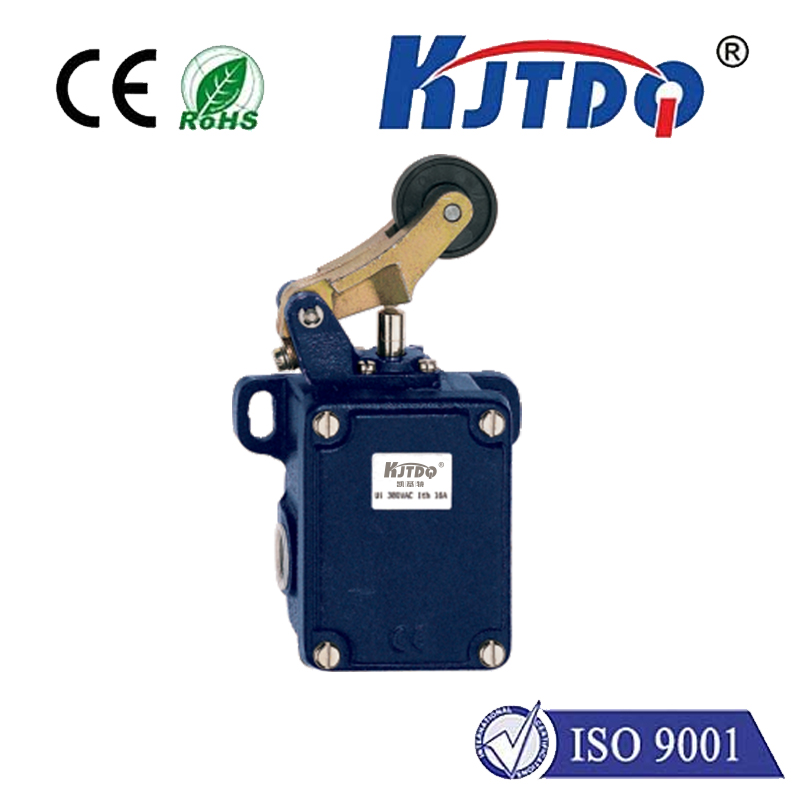
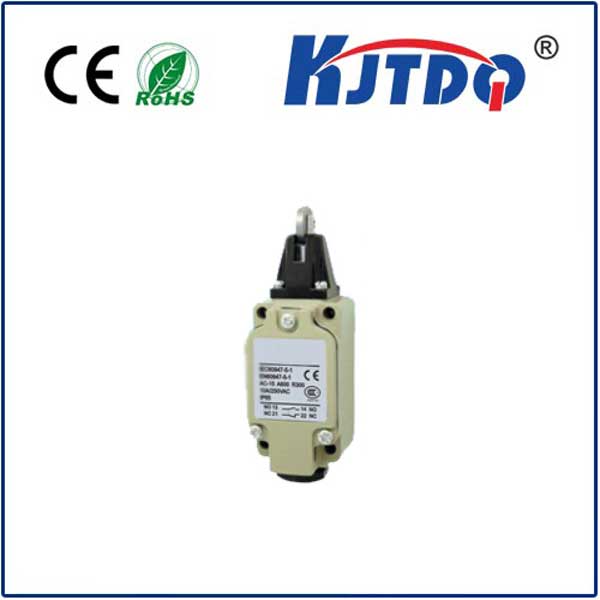
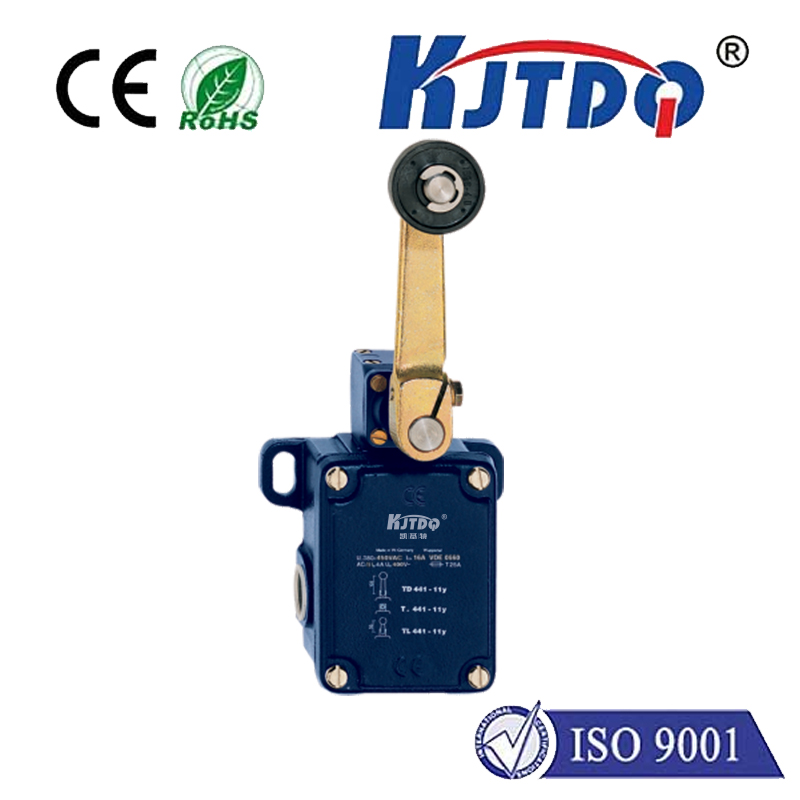
The operational principle of a travel limit switch is elegantly straightforward. It typically consists of an actuator—a lever, roller, or plunger—mechanically linked to a set of electrical contacts. When a machine part, such as a robotic arm, conveyor cart, or elevator, reaches a predetermined point in its travel path, it physically engages the actuator. This engagement causes the internal contacts to change state, either opening or closing a circuit. This signal immediately informs the programmable logic controller (PLC) or other control unit that the limit has been reached. The controller then executes a pre-programmed command, such as stopping, reversing, or altering the direction of the drive motor. For instance, on a automated packaging line, a travel limit switch ensures a sealing arm lowers to the exact correct height every single cycle, guaranteeing consistent product quality.
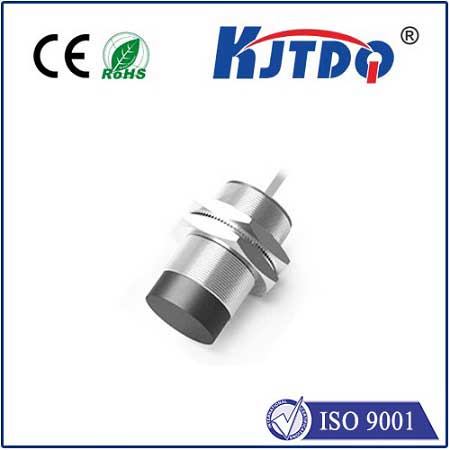
The versatility of travel limit switches is reflected in their diverse types and configurations. Basic mechanical models with robust lever arms are workhorses in harsh environments. For applications requiring higher precision and repeatability, precision roller plunger switches offer minimal actuation movement. In settings where physical contact is undesirable, non-contact variants like inductive or capacitive proximity switches perform a similar limiting function without touching the target. The choice of switch depends heavily on factors such as required accuracy, operating speed, environmental conditions (exposure to dust, moisture, or extreme temperatures), and the necessary electrical specifications.
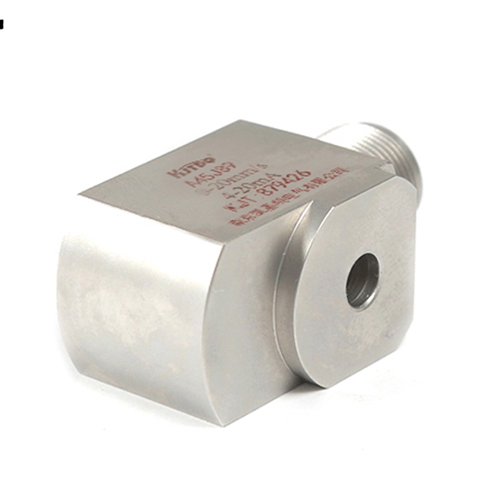
Integrating a KJTDQ-brand travel limit switch into an automation system brings a multitude of tangible benefits. The foremost is enhanced safety. By physically preventing moving parts from exceeding their designed operational range, these switches eliminate the risk of mechanical collisions, jams, and catastrophic failures that could lead to downtime or injury. Secondly, they contribute significantly to operational precision and repeatability. Machines can consistently return to a "home" position or stop at an exact point, which is crucial for processes like machining, assembly, and material handling. This precision directly translates to improved product quality, reduced waste, and higher overall equipment effectiveness (OEE).
Furthermore, travel limit switches are renowned for their durability and simplicity. With no complex programming required at the device level and a design built to withstand millions of operational cycles, they offer a cost-effective and reliable solution. Their fail-safe nature and easy troubleshooting—often through simple visual or auditory checks—make them indispensable for maintenance teams. In complex systems, they often work in concert with sensors and encoders, providing a hard-wired, redundant safety layer that software-based systems alone cannot match.
From massive overhead cranes in shipping yards to delicate CNC machines and everyday elevators, the application of travel limit switches is ubiquitous. They are the unsung heroes that ensure smooth, controlled, and safe motion. As industries continue to advance towards smarter factories and more interconnected systems, the fundamental role of the robust and reliable travel limit switch remains unchanged. It provides the essential physical feedback that digital control systems rely upon, forming a critical bridge between the mechanical and electronic worlds. Selecting a high-quality switch, such as those from the KJTDQ series, is therefore not just a technical specification but a strategic investment in the safety, efficiency, and longevity of any automated operation.