check

check

check

check

check

check
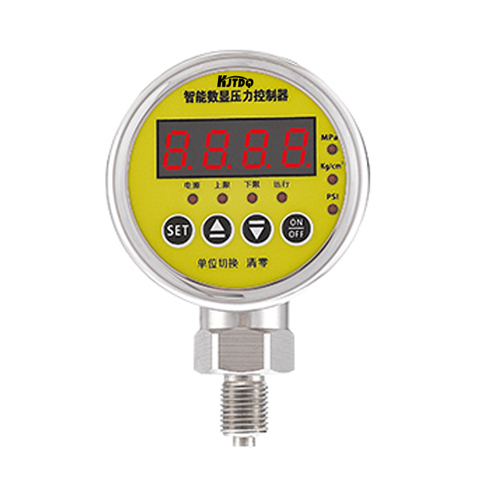
In the realm of industrial and residential heating, boiler systems play a pivotal role in ensuring consistent warmth and operational functionality. However, the efficiency and safety of these systems heavily rely on precise control mechanisms, with boiler limit control standing out as a critical component. This control system is designed to regulate temperature and pressure within safe parameters, preventing potential hazards such as overheating or excessive pressure buildup that could lead to equipment failure or even catastrophic incidents. By integrating advanced sensors and automated adjustments, boiler limit control not only safeguards the infrastructure but also optimizes energy consumption, reducing operational costs and environmental impact.
The core principle behind boiler limit control involves monitoring key variables like water temperature and steam pressure. When these metrics approach predefined thresholds, the control system intervenes to modulate fuel input or activate safety shutoffs. For instance, in a commercial setting, a malfunctioning limit control can result in downtime and costly repairs, whereas a well-maintained system ensures uninterrupted service. Modern iterations of these controls incorporate digital interfaces and connectivity features, allowing for remote monitoring and predictive maintenance. This technological evolution aligns with the growing demand for smart building solutions, where data-driven insights enhance overall system reliability.
From a safety perspective, boiler limit control acts as a frontline defense against accidents. Overheating can cause thermal stress on boiler components, leading to cracks or leaks, while excessive pressure might trigger explosions in extreme cases. Regulatory standards, such as those set by organizations like ASME (American Society of Mechanical Engineers), mandate the use of reliable limit controls to comply with safety codes. Regular inspections and calibration of these devices are essential to maintain their effectiveness, as wear and tear over time can compromise accuracy. Professionals in the field emphasize the importance of using high-quality components and adhering to manufacturer guidelines to ensure longevity and performance.
Energy efficiency is another significant benefit of effective boiler limit control. By preventing unnecessary heating cycles and minimizing waste, these systems contribute to lower fuel consumption and reduced carbon emissions. In an era where sustainability is a global priority, optimizing boiler operations through precise control can help organizations meet environmental targets and achieve cost savings. Case studies from various industries, including manufacturing and hospitality, demonstrate that upgrading to advanced limit controls can yield a return on investment within a short period, thanks to decreased energy bills and enhanced equipment lifespan.
In conclusion, boiler limit control is indispensable for modern heating systems, blending safety, efficiency, and technological innovation. As industries and households seek more reliable and eco-friendly solutions, investing in robust control mechanisms becomes a strategic imperative. By understanding its functions and benefits, stakeholders can make informed decisions to improve their boiler operations, ensuring a safer and more sustainable future.