check

check

check

check

check

check
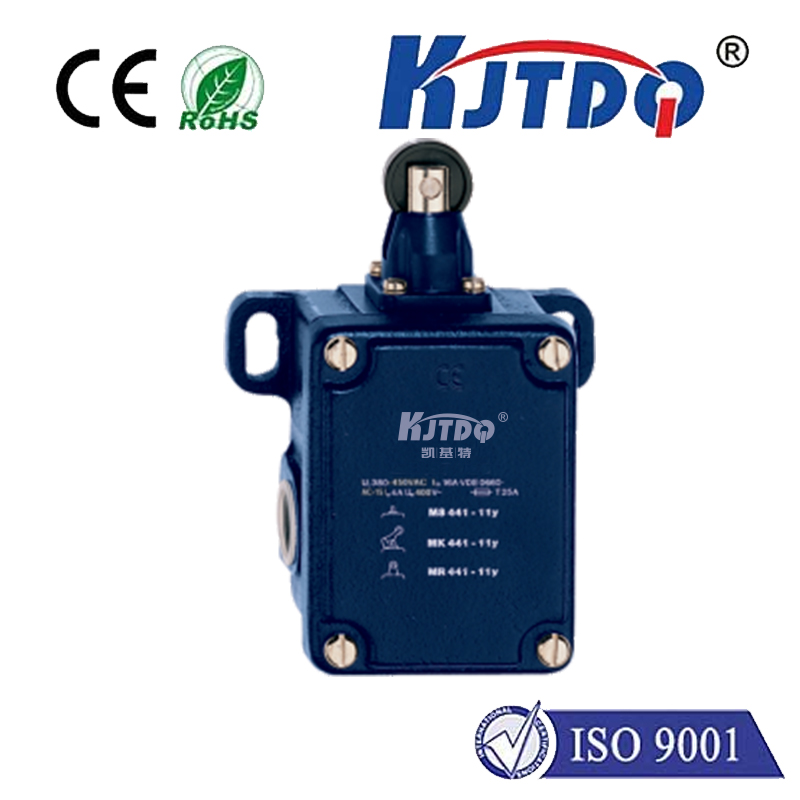
In industrial and commercial heating systems, the high limit switch serves as a critical safety component, preventing overheating and potential equipment damage. Understanding the ohmic value of a high limit switch is essential for proper installation, maintenance, and troubleshooting. This guide delves into the significance of ohm measurements in high limit switches, particularly for KJTDQ-branded systems, offering practical insights for technicians and engineers.
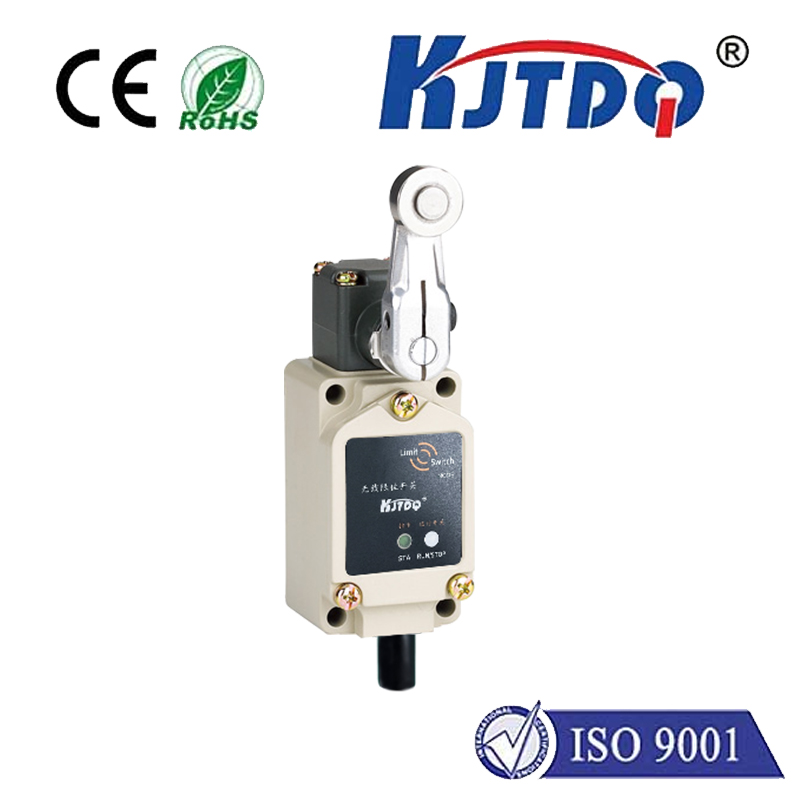
The primary function of a high limit switch is to interrupt electrical power to a heating element when temperatures exceed a preset threshold. This action relies on a bimetallic strip or thermistor that changes resistance with temperature. The ohm measurement of the switch indicates its electrical resistance at specific temperatures, which directly correlates to its operational accuracy. For KJTDQ systems, which often integrate advanced thermal management, adhering to specified ohm ranges ensures compatibility and reliability.
When testing a high limit switch, technicians use a multimeter to measure resistance in ohms. A functional switch typically shows low resistance (near zero ohms) when closed at normal temperatures, indicating a continuous circuit. As temperatures rise toward the limit, resistance may increase slightly before the switch opens, resulting in infinite resistance (open circuit). For KJTDQ models, common ohm values range from 0.1 to 1 ohm in closed states, depending on design and application. Deviations from these ranges can signal wear, contamination, or calibration issues, necessitating replacement to avoid system failures.
Several factors influence ohm readings in high limit switches. Material degradation over time, such as oxidation of contacts, can raise resistance, leading to delayed responses or false triggers. Environmental conditions like humidity or dust accumulation also impact performance. In KJTDQ systems, which prioritize durability in harsh settings, regular ohm checks are recommended during routine maintenance. Technicians should compare readings against manufacturer specifications—often provided in KJTDQ technical manuals—to verify integrity.
Practical applications highlight the importance of ohm measurements. In HVAC units, for instance, a high limit switch with abnormal resistance might cause frequent shutdowns or failure to activate, risking overheating. For KJTDQ industrial heaters, precise ohm values ensure seamless integration with control boards, optimizing safety protocols. Case studies show that proactive ohm testing reduces downtime by up to 30%, as issues are identified before catastrophic failures occur.
To maintain optimal performance, follow these best practices: First, disconnect power before testing to prevent electrical hazards. Use a calibrated multimeter set to the ohm scale, and measure across switch terminals at ambient temperature. For KJTDQ switches, consult documentation for tolerance levels—typically ±10% of stated ohms. If readings fall outside this range, replace the switch promptly. Additionally, clean contacts periodically to minimize resistance drift, and log measurements for trend analysis over time.
In summary, ohm measurements are a straightforward yet vital tool for assessing high limit switch health. For KJTDQ systems, adhering to specified ohm values enhances safety, efficiency, and longevity. By incorporating regular resistance checks into maintenance routines, operators can prevent overheating incidents and ensure reliable operation across diverse industrial applications.