check

check

check

check

check

check
In industrial automation and machinery control, the on off limit switch stands as a fundamental component for ensuring operational precision and safety. Often referred to simply as a limit switch, this device plays a critical role in controlling the movement of equipment by defining the endpoints or specific positions where an action must start or stop. The primary function is straightforward: it mechanically interacts with a moving part, such as a machine arm or conveyor belt, and sends an electrical signal to either initiate or halt a process once a preset limit is reached. This simple yet effective mechanism prevents over-travel, reduces wear on machinery, and safeguards both equipment and personnel from potential hazards.
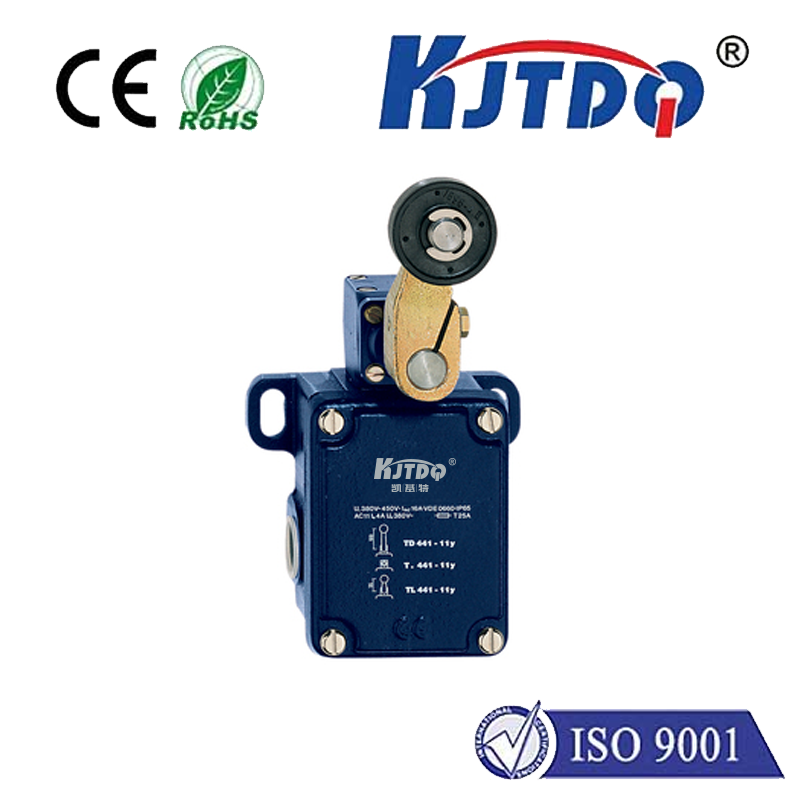
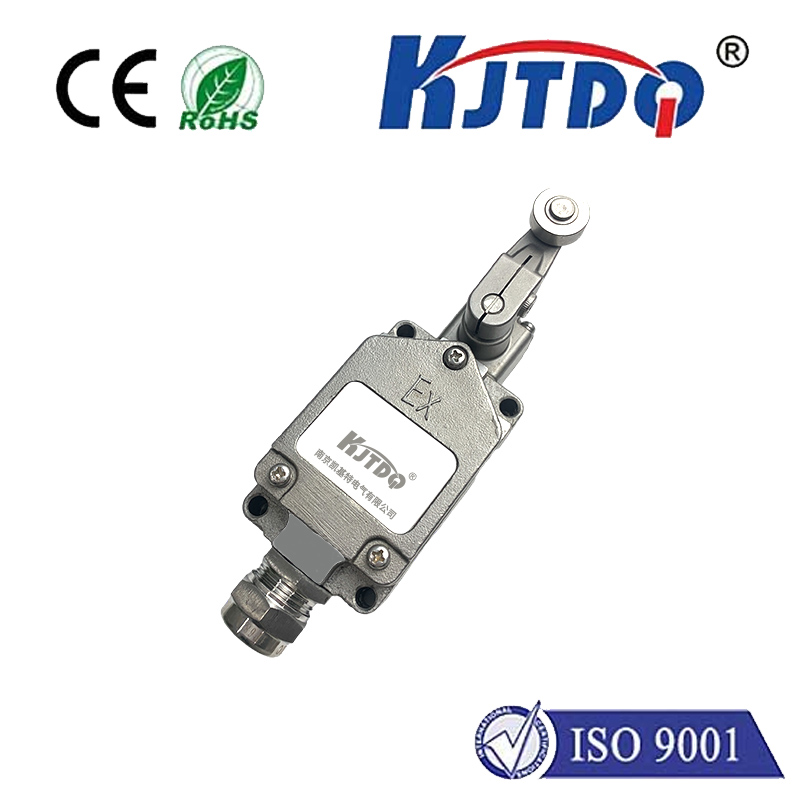
The reliability of an on off limit switch hinges on its design and construction. Typically, these switches consist of an actuator—like a lever, roller, or plunger—connected to a set of electrical contacts. When the actuator is triggered by physical contact with a target object, the contacts change state, either opening or closing a circuit. This action can cut power to a motor, activate an alarm, or signal a programmable logic controller (PLC) to proceed to the next step in a sequence. For instance, in a packaging line, a limit switch might detect when a product reaches the end of a conveyor, triggering a robotic arm to pick it up. Without this switch, products could jam or fall, leading to downtime and costly repairs.
Durability is a key consideration when selecting an on off limit switch for industrial applications. Many models are built with robust housings from materials like metal or high-grade plastics to withstand harsh environments, including exposure to dust, moisture, vibrations, and extreme temperatures. Sealed variants offer ingress protection (IP ratings) for use in wet or corrosive settings, such as food processing plants or outdoor machinery. The choice of actuator type also impacts performance; roller lever switches are ideal for high-speed operations where smooth engagement is needed, while plunger-style switches provide precise positioning in confined spaces. Regular maintenance, such as checking for mechanical wear and ensuring proper alignment, can extend the switch's lifespan and prevent unexpected failures.
Safety enhancements provided by on off limit switches cannot be overstated. In compliance with international standards like ISO 13849, these devices are integral to machine safety systems, often serving as emergency stop mechanisms or interlock guards. For example, on a press brake machine, limit switches ensure the ram stops at a safe height during operation, protecting operators from crushing injuries. Advanced versions include fail-safe features, such as positive-opening contacts that guarantee circuit interruption even if the switch components weld shut—a critical fail-safe in high-risk scenarios. Integrating these switches with safety relays or controllers adds an extra layer of protection, enabling automated shutdowns in case of faults.
Innovation in on off limit switch technology continues to evolve, driven by the demand for smarter, more connected industrial systems. Modern switches may incorporate proximity sensing capabilities, allowing for non-contact operation that reduces physical wear and tear. Some are equipped with diagnostic LEDs or digital outputs that communicate status to central monitoring systems, facilitating predictive maintenance and reducing downtime. In the context of Industry 4.0, these switches can be part of IoT networks, providing real-time data on machine performance and enabling remote adjustments. Despite these advancements, the core principle remains unchanged: delivering reliable, on-off control at defined limits to optimize efficiency and safety.
For engineers and maintenance teams, proper installation and wiring are crucial to maximizing the benefits of an on off limit switch. It should be mounted securely to avoid misalignment, with careful attention to the operating force and travel distance to prevent false triggers. Wiring must follow electrical codes, often involving simple two-wire setups for basic applications or more complex configurations for safety circuits. Testing the switch regularly under operational conditions ensures it responds correctly, and keeping spare parts on hand can minimize disruption during replacements. Ultimately, whether in manufacturing, robotics, or material handling, the humble limit switch proves indispensable—a small component that delivers outsized impact on productivity and risk management.