check

check

check

check

check

check
In the intricate world of industrial automation, where machinery operates with relentless precision, the reliability of every component is paramount. Among these critical components, the roller limit switch stands as a fundamental guardian of motion control and operational safety. This electromechanical device, often perceived as a simple sentinel, plays an indispensable role in defining the boundaries of mechanical movement, preventing over-travel, and initiating sequential operations in countless applications.
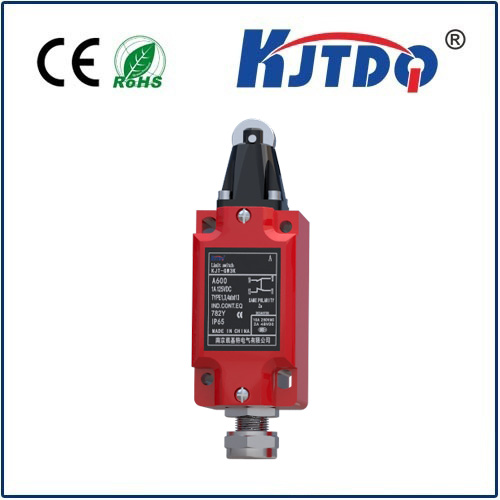
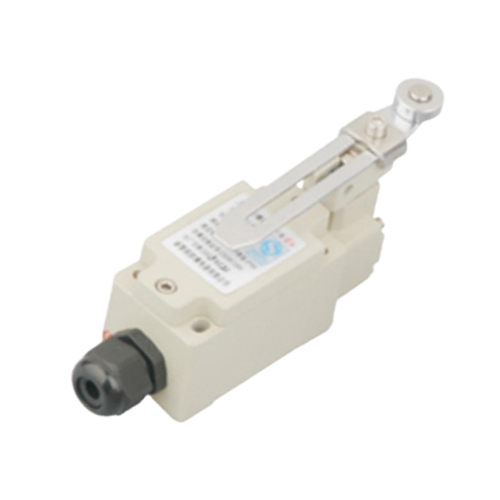
At its core, a roller limit switch is a type of limit switch equipped with a lever arm topped with a rotating roller. This design is not merely for aesthetics; the roller mechanism allows for smooth, low-friction actuation when it comes into contact with a moving part or machine element, known as the actuator or cam. As the actuator presses against the roller, it pivots the lever, which internally triggers a snap-action mechanism to change the state of its electrical contacts—from open to closed (NO) or from closed to open (NC). This instantaneous change sends a clear signal to the machine's control system, commanding it to stop, start, reverse, or execute a pre-programmed function.
The applications of roller limit switches are vast and varied, underscoring their versatility. In material handling systems, such as conveyor belts and automated storage/retrieval systems, they are strategically positioned to detect the presence or absence of packages, signaling when an item has reached its destination or when a stack is complete. Within the realm of machine tools, these switches define the precise travel limits of milling tables, lathe carriages, and robotic arms, ensuring machining accuracy and preventing catastrophic collisions. They are equally vital in packaging machinery, textile manufacturing, and elevator control systems, where consistent and repeatable positioning is non-negotiable.
The advantages of employing a roller limit switch are multifaceted. Firstly, they offer robust physical durability. Constructed typically from metals like zinc alloy or stainless steel and featuring sealed housings, they are built to withstand harsh industrial environments—resisting dust, moisture, oil, and mechanical impacts. Their mechanical nature provides a tangible, audible, and visual confirmation of actuation, which is invaluable for maintenance personnel during troubleshooting. Compared to some purely electronic sensors, they are often less susceptible to electrical noise and can switch higher current loads directly, simplifying control circuit design.
Selecting the appropriate roller limit switch requires careful consideration of several operational parameters. The roller style—whether side-roller, top-roller, or adjustable roller—must match the direction of the actuator's approach. The operating force, reset force, and pre-travel distance are critical to ensure reliable actuation without causing undue stress on the mechanism. Environmental ratings, notably the Ingress Protection (IP) code, are essential for applications exposed to liquids or particulates. Furthermore, the electrical specifications, including voltage, current rating (both AC and DC), and contact configuration, must align perfectly with the control system's requirements.
While modern proximity sensors and photoelectric eyes offer contactless alternatives, the roller limit switch maintains a strong position in the market. Its simplicity translates to cost-effectiveness for many applications. The physical actuation provides a fail-safe mechanical backup in critical safety interlocks. The tactile feedback is irreplaceable for manual setup and calibration procedures. It represents a perfect synergy of mechanical engineering and electrical control, a testament to timeless design principles applied in a high-tech age.
Installation and maintenance are straightforward but crucial for long-term performance. Proper alignment between the switch's roller and the actuator cam is vital to prevent premature wear or missed signals. Regular inspection for wear on the roller bearing and the lever arm, along with checking for loose mounting hardware, should be part of routine preventive maintenance schedules. Keeping the actuator path clean from debris ensures consistent operation.
In conclusion, the roller limit switch remains a cornerstone of industrial automation. Its role in ensuring precise positional control, protecting expensive machinery from damage, and safeguarding operational workflows is irreplaceable. From controlling the simple movement of a garage door to orchestrating the complex dance of a robotic assembly line, this device exemplifies how a fundamentally simple mechanism can be engineered for extraordinary reliability and performance. For engineers and system integrators, understanding and correctly applying the roller limit switch is a key step in building resilient, efficient, and safe automated systems.