check

check

check

check

check

check
In the world of industrial automation and machinery control, ensuring precise and reliable operation is paramount. This is where the often-overlooked yet critical component, the outdoor limit switch, comes into play. Designed to withstand the rigors of external environments, these devices are the unsung heroes that define the boundaries of motion for countless applications, from agricultural machinery and construction equipment to automated gates and renewable energy systems.
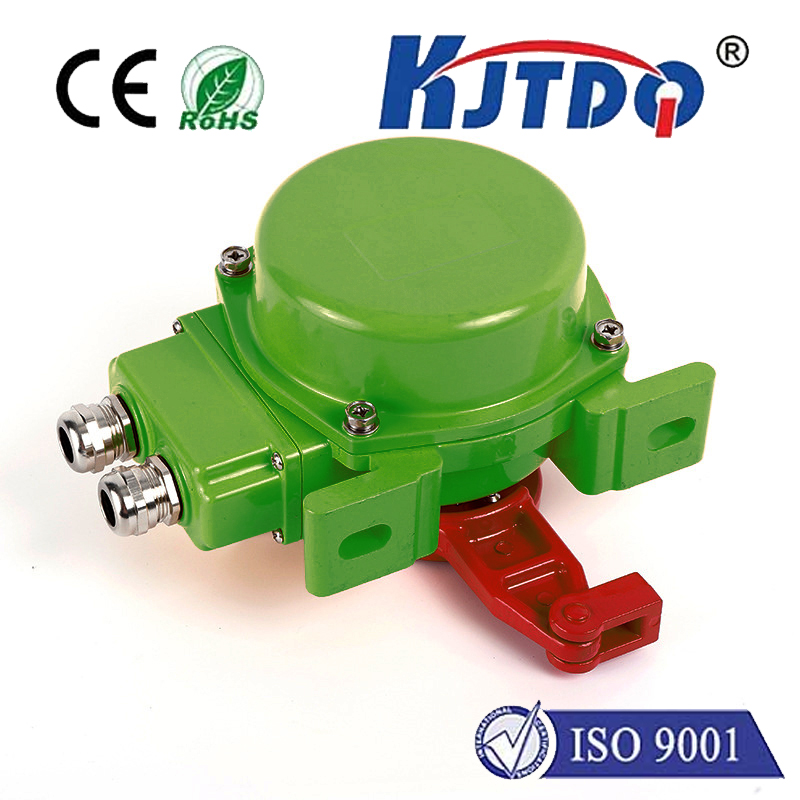
An outdoor limit switch is fundamentally a sensor used to detect the presence or absence of an object, or to monitor the position of a moving part. When the switch's actuator—be it a lever, roller, or plunger—is triggered by physical contact, it sends an electrical signal to the control system. This signal instructs the machinery to either stop, start, or change its operational sequence. What sets an outdoor variant apart is its robust construction. Unlike its indoor counterparts, it is engineered to endure harsh conditions including rain, snow, dust, extreme temperatures, UV exposure, and corrosive elements. This durability is achieved through features like high-grade stainless steel or aluminum housings, IP67 or higher ingress protection ratings, sealed contacts, and corrosion-resistant materials.
The applications for outdoor limit switches are vast and varied. In the agricultural sector, they are integral to automated irrigation systems, controlling the pivot points of large sprinklers. On construction sites, they ensure the safe extension and retraction of crane booms or the precise positioning of concrete conveyor belts. For renewable energy, they play a crucial role in solar panel tracking systems, halting rotation at the optimal sun-facing angles to prevent damage from over-travel. Automated warehouse yards utilize them on outdoor storage retrieval systems, while municipal water treatment plants rely on them to monitor valve positions. The common thread across all these uses is the need for unwavering reliability in unpredictable weather.
Selecting the right outdoor limit switch requires careful consideration of several key factors. The environmental rating, typically denoted by an IP (Ingress Protection) code, is the first priority. A rating of IP67 ensures protection against temporary immersion and dust, which is often a minimum requirement. The mechanical life expectancy, often rated in millions of operations, indicates durability. The electrical rating must match the load requirements of the application. Furthermore, the type of actuator is chosen based on the direction and force of the contact; a roller lever is common for linear motion, while a wobble stick might be used for multi-directional detection. Finally, the choice between mechanical, solid-state, or inductive proximity-style switches depends on the required precision and environmental contaminants.
Proper installation and maintenance are the final pillars of ensuring long-term performance. Mounting must be secure to prevent vibration-induced misalignment. The actuator should be positioned so that it is engaged positively but not over-stressed. Regular inspection schedules should include checking for physical damage, corrosion buildup, and the integrity of cable conduits. Cleaning the actuator mechanism of debris and verifying the tightness of electrical connections can prevent most common failures. By adhering to these practices, operators can maximize the service life of these components, avoiding costly downtime and safety hazards.
In conclusion, the outdoor limit switch is a foundational element for safe and efficient automated operations in exposed settings. Its role in providing definitive positional feedback is irreplaceable. By understanding its function, specifications, and care requirements, engineers and maintenance teams can make informed decisions that enhance system resilience and productivity, ensuring that machinery operates only within its intended, safe limits.