check

check

check

check

check

check
In the intricate world of industrial automation and machinery, safety and precision are not just desirable features; they are absolute necessities. Among the myriad of components that ensure these critical aspects, the end limit switch stands as a fundamental and often unsung hero. This simple yet vital device plays a pivotal role in controlling the movement of machinery, preventing damage, and safeguarding both equipment and personnel. Understanding its function, types, and applications is crucial for anyone involved in manufacturing, robotics, or material handling.
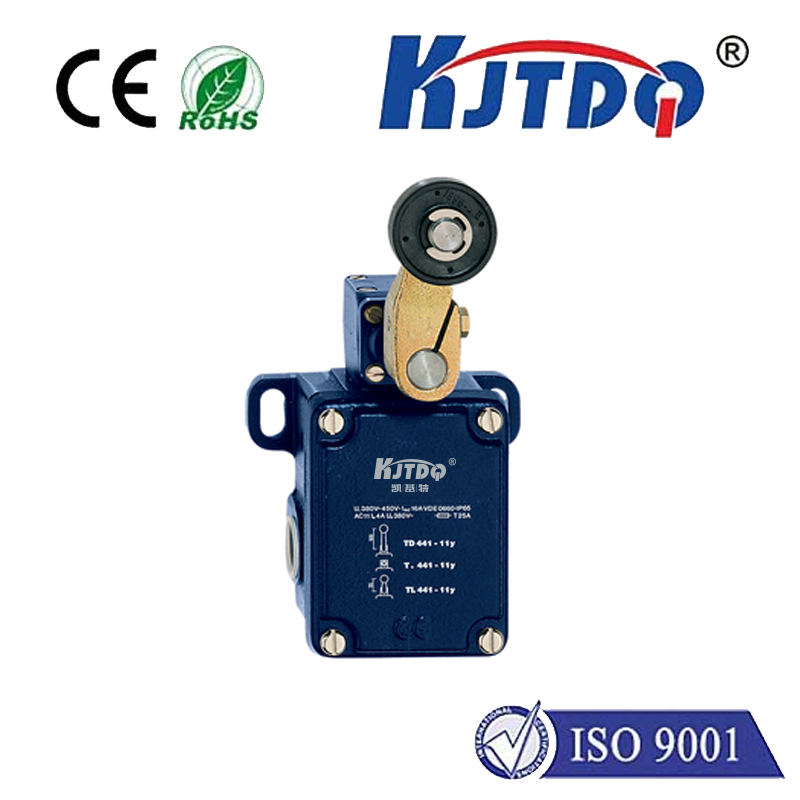
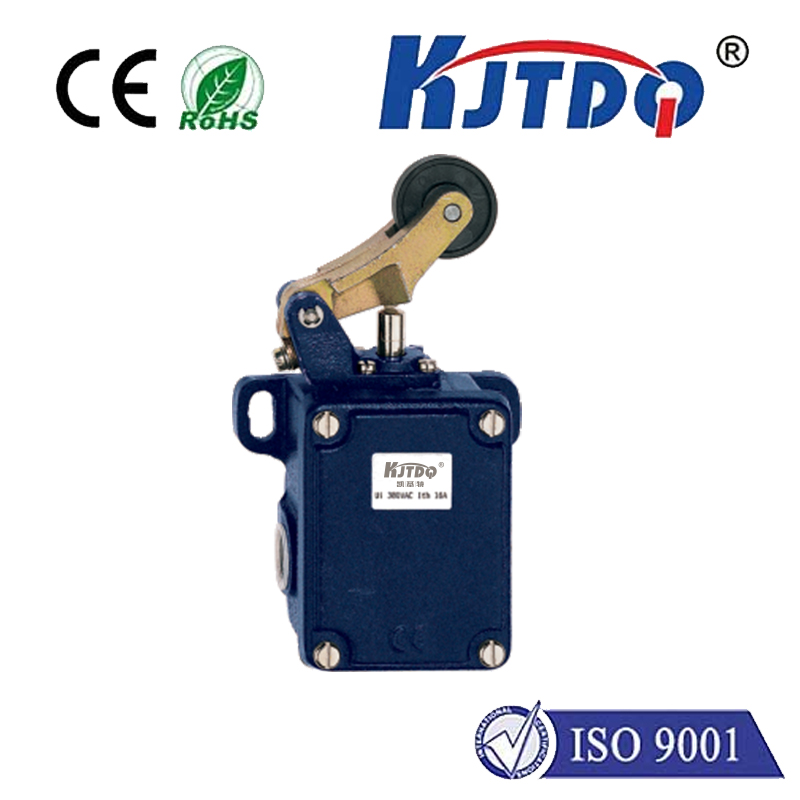
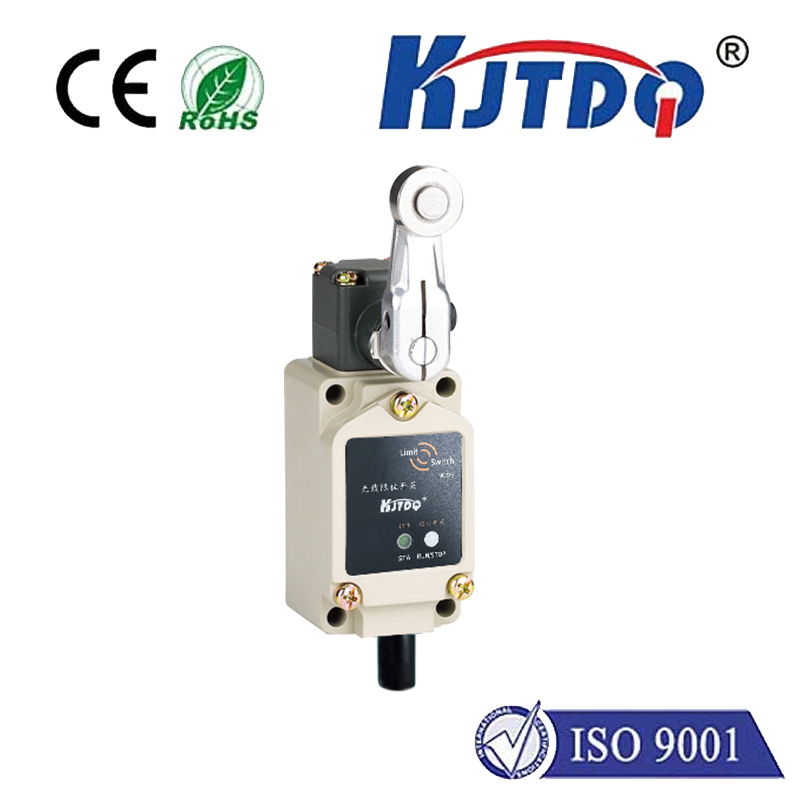
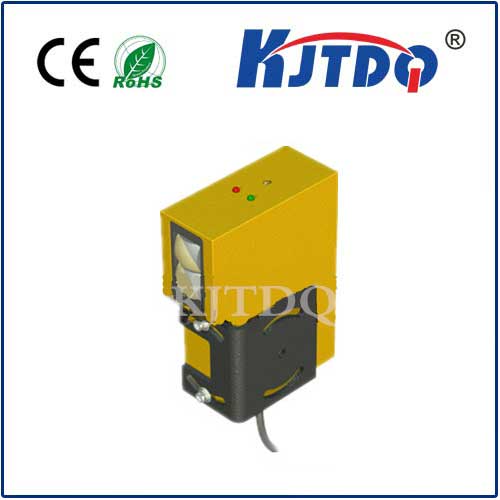
At its core, an end limit switch is an electromechanical device designed to detect the presence or absence of an object, or to monitor the position of a moving part. It is typically installed at the physical extremities—or "ends"—of a machine's travel path, such as the fully extended or fully retracted position of a linear actuator, the open or closed position of a gate, or the upper and lower limits of a hoist. When the moving part contacts the switch's actuator (a lever, roller, or plunger), it triggers an internal mechanism that changes the state of its electrical contacts. This change sends a signal to the machine's control system—usually a Programmable Logic Controller (PLC)—to stop, start, or change the direction of the motion.
The operational principle is elegantly straightforward, but its implications are profound. By defining these hard stops, end limit switches prevent over-travel, which can lead to catastrophic failures like mechanical jams, motor burnout, or structural damage. For instance, in a conveyor system, limit switches ensure that a pallet stops precisely at the loading station. In a robotic arm, they define the safe working envelope, preventing collisions with its own frame or other equipment. This not only protects expensive capital assets but also minimizes unplanned downtime for repairs.
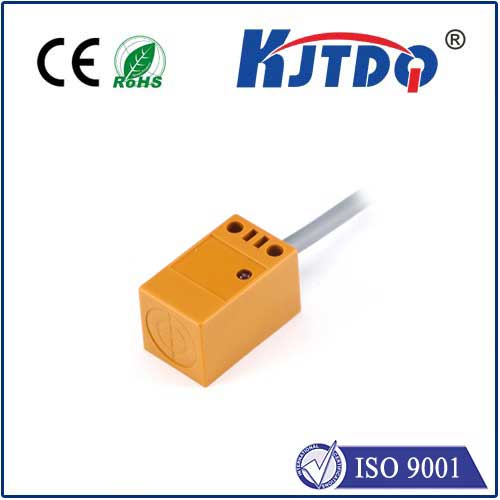
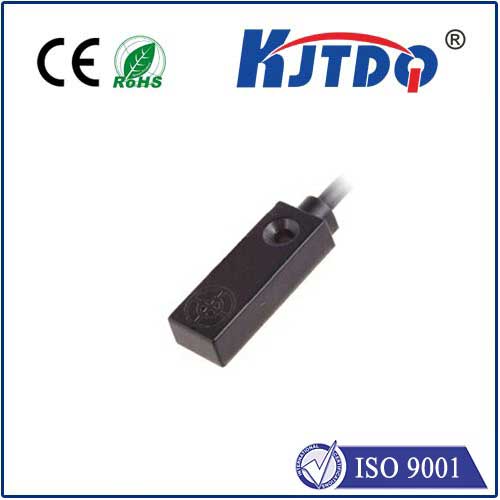
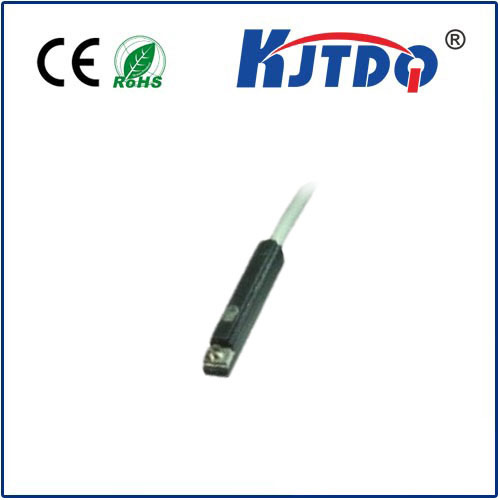
Various types of end limit switches are available to suit different environmental conditions and operational demands. Basic mechanical lever-arm switches are common for general purposes. For harsh environments with dust, moisture, or corrosive agents, sealed or oil-tight limit switches are employed. In applications requiring non-contact sensing for higher reliability or speed, proximity sensors (inductive or capacitive) are often used, though the term "limit switch" traditionally refers to contact-based models. The choice depends on factors like required precision, actuation force, switching frequency, and the surrounding atmosphere.
The integration of end limit switches is a cornerstone of safety interlock systems. They are integral to compliance with international safety standards. A machine cannot be considered safe for operation without reliable limit switches defining its hazardous motion boundaries. They form the primary layer of protection, often working in tandem with other safety devices like light curtains or emergency stop buttons. Their failure can directly lead to unsafe conditions, making regular inspection and maintenance—checking for physical wear, proper alignment, and electrical continuity—a critical part of any preventive maintenance schedule.
Beyond safety, these switches contribute significantly to operational efficiency and repeatability. They provide consistent reference points for machine homing sequences. After power-up, a machine often needs to move to a known "home" position, detected by a limit switch, before it can begin its programmed cycle accurately. This ensures that every operation starts from the exact same point, guaranteeing product consistency in manufacturing processes like CNC machining or automated assembly.
In conclusion, the end limit switch is far more than a simple mechanical component. It is an essential safeguard, a precision enabler, and a reliability enhancer. From massive industrial presses to delicate laboratory automation, its role in defining physical limits is indispensable. Selecting the right type, installing it correctly, and maintaining it diligently are key practices that ensure machinery operates not only efficiently but, more importantly, safely. As automation continues to advance, the fundamental purpose of the end limit switch remains unchanged: to provide a definitive, physical "end" to motion, ensuring every cycle concludes exactly as intended.