check

check

check

check

check

check
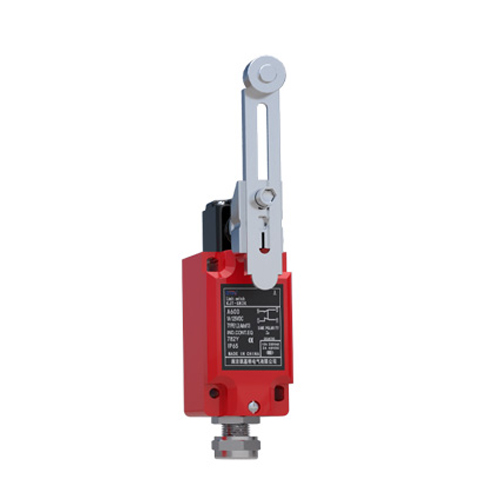
In industrial automation and machinery, the limit switch weight plays a critical role in maintaining operational precision, safety, and reliability. A limit switch, often referred to as a position switch, is an electromechanical device designed to detect the presence or absence of an object, or to monitor the position of moving parts within a system. The weight of a limit switch, while seemingly a minor specification, directly impacts its performance, durability, and suitability for specific applications. This article explores the significance of limit switch weight, its influence on functionality, and key considerations for selection in various industrial environments.
The weight of a limit switch is primarily determined by its construction materials, internal components, and housing design. Heavy-duty limit switches, typically crafted from robust materials like stainless steel or reinforced polymers, tend to have a higher weight. These switches are engineered to withstand harsh conditions, including extreme temperatures, moisture, dust, and mechanical stress. For instance, in mining or construction equipment, a heavier limit switch with a rugged enclosure can resist vibrations and impacts, ensuring consistent signal transmission without premature failure. Conversely, lightweight limit switches, often made from aluminum or compact plastics, are favored in applications where space constraints or minimal load on mounting structures are priorities, such as in packaging machinery or robotic arms.
One of the core functions influenced by limit switch weight is actuation sensitivity. A switch's weight affects its inertia and response time. Lighter switches may react more quickly to subtle movements, making them ideal for high-speed automation processes where rapid detection is essential. However, they might be prone to false triggers if exposed to external vibrations. Heavier switches, with their increased mass, provide greater stability and are less susceptible to accidental actuation, enhancing accuracy in environments with constant motion or shock. This balance between sensitivity and stability is crucial in industries like automotive manufacturing, where limit switches control robotic welding arms or conveyor systems, requiring both speed and precision to avoid production errors.
Safety is another paramount aspect tied to limit switch weight. In safety-critical systems, such as elevator controls or crane operations, limit switches serve as fail-safe mechanisms to prevent over-travel or collisions. A well-constructed, appropriately weighted switch ensures reliable contact under load, reducing the risk of malfunction that could lead to equipment damage or personal injury. For example, in overhead cranes, heavy-duty limit switches with reinforced levers are used to halt movement at predefined points, their weight contributing to durability against mechanical wear. Regulatory standards, like those from ISO or ANSI, often mandate specific design criteria, including weight-related factors, to guarantee compliance and operational integrity.
When selecting a limit switch based on weight, engineers must evaluate several factors. First, consider the environmental conditions: Will the switch face corrosive chemicals, high humidity, or abrasive particles? Heavier, sealed switches with IP67 or higher ratings are advisable for such settings. Second, assess the mechanical load: The switch's weight should align with the forces exerted during operation, including actuator pressure and mounting stress. Overly heavy switches might strain support structures, while too-light ones could degrade under pressure. Third, factor in installation requirements: In mobile or portable machinery, lighter switches reduce overall weight and energy consumption. Additionally, maintenance accessibility can be influenced by weight; heavier switches may require more robust mounting but often offer longer service intervals due to their resilience.
Technological advancements have led to innovations in limit switch design, optimizing weight without compromising performance. Modern switches incorporate materials like carbon fiber composites or advanced alloys, achieving a favorable strength-to-weight ratio. Smart limit switches with embedded sensors and wireless connectivity are also emerging, allowing for real-time monitoring and predictive maintenance. These devices, while potentially lighter due to compact electronics, maintain high reliability through intelligent diagnostics. For industries embracing Industry 4.0, such features enhance efficiency by minimizing downtime and enabling data-driven decisions.
In summary, the limit switch weight is a vital specification that intersects with performance, safety, and application suitability. By understanding how weight correlates with material choice, environmental resistance, and actuation behavior, professionals can make informed decisions to optimize their systems. Whether in heavy industrial sectors or precision automation, choosing the right limit switch weight ensures seamless operations, reduces maintenance costs, and upholds safety standards. As industries evolve, continued attention to these details will drive innovation and reliability in mechanical and electrical controls.