check

check

check

check

check

check
In the intricate world of industrial automation and machinery, precision and reliability are non-negotiable. Among the myriad components that ensure seamless operation, the limit switch stands as a fundamental guardian of safety and control. The ITS 300 series represents a specific class of these critical devices, engineered to meet rigorous demands. This article delves into the functionality, applications, and key considerations of the ITS 300 limit switch, providing essential insights for engineers and maintenance professionals.
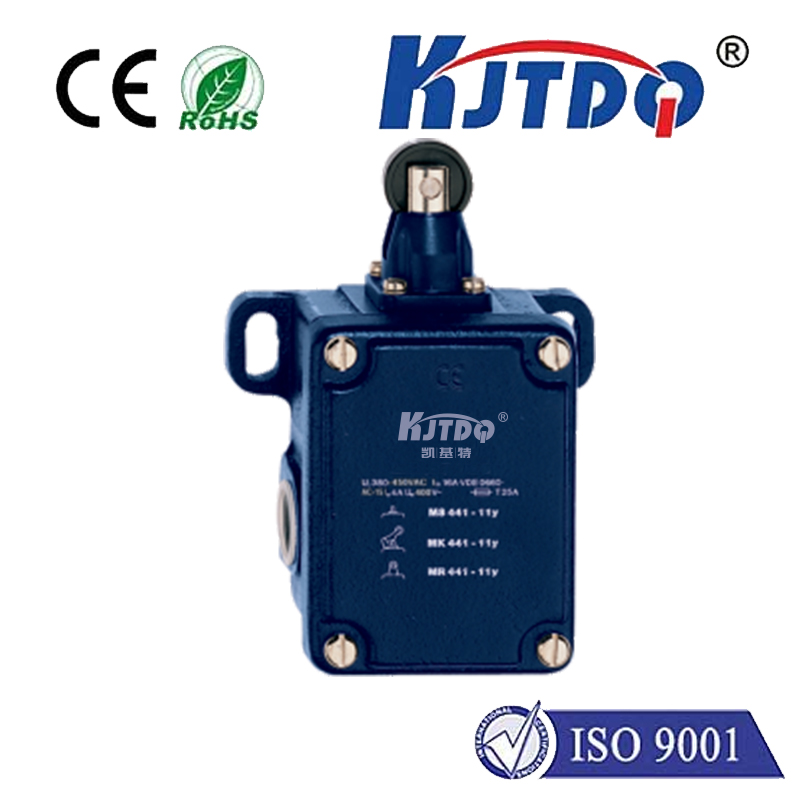
A limit switch, at its core, is an electromechanical device that detects the presence or absence of an object, or monitors the movement and position of a machine part. It operates by having an actuator—a lever, roller, or plunger—physically contacted by the moving object. This contact triggers an internal mechanism to change the state of its electrical contacts, either opening or closing a circuit. This simple yet effective action sends a crucial signal to a control system, such as a Programmable Logic Controller (PLC), to initiate, halt, or modify a machine's operation. The ITS 300 model is designed to perform this duty with enhanced durability and precision, often built to withstand challenging industrial environments involving dust, moisture, vibration, and temperature fluctuations.
The primary role of the ITS 300 limit switch is to enforce safety limits and provide positional feedback. For instance, on an automated conveyor system, an ITS 300 switch can be positioned to detect when a pallet has reached the end of a line, signaling the system to stop the conveyor or activate a diverter. In robotic arms, these switches define the "home" position or the extreme limits of travel, preventing the arm from over-extending and causing damage or injury. Within elevator systems, they ensure the cab stops precisely at each floor level. The "300" designation often relates to specific performance characteristics, which may include its electrical rating, housing material, actuator type, or operational life cycle. It is crucial for users to consult the manufacturer's datasheet to understand the exact specifications, such as voltage/current ratings (e.g., 10A at 250VAC), ingress protection (IP) rating for environmental sealing, and mechanical life expectancy.
Selecting the right ITS 300 limit switch involves several practical considerations. First, the operating environment is paramount. Will the switch be exposed to washdowns, oils, or corrosive chemicals? Models with stainless steel housings or high IP ratings (like IP67) are essential for such conditions. Second, the actuator type must match the application. A roller lever actuator is suitable for detecting objects moving in one direction, while a top-push plunger might be used for precise vertical positioning. The required precision of actuation—the differential travel between the switch's actuation and reset points—is another key factor. Furthermore, electrical compatibility with the existing control system is non-negotiable; mismatched voltage or current can lead to failure or hazardous situations. Finally, considering the need for manual override or status indication LEDs can aid in troubleshooting and maintenance.
Installation and maintenance are straightforward but require attention to detail. The switch must be mounted securely to avoid misalignment due to vibration. The actuator should be positioned so that the target object makes solid, consistent contact without causing excessive force or shock that could prematurely wear out the mechanism. Regular inspection is recommended to check for physical damage to the actuator or housing, loose wiring connections, and the accumulation of debris that could impede movement. Testing the switch's output signal periodically ensures it is communicating correctly with the control system. Proper maintenance not only extends the service life of the ITS 300 but also upholds the safety integrity of the entire machinery system.
In conclusion, the ITS 300 limit switch is more than just a simple component; it is a vital sensor that bridges mechanical movement and electrical control. Its robust design and reliable performance make it a trusted choice for implementing essential safety interlocks and precise positional control in diverse industrial settings. From packaging lines to heavy machinery, understanding its specifications and proper application is key to optimizing operational efficiency and, most importantly, ensuring a safe working environment. By making informed selection and maintenance decisions, professionals can leverage the full potential of the ITS 300 to create more reliable and intelligent automated systems.