check

check

check

check

check

check
In industrial automation and control systems, precision and reliability are paramount. Among the myriad components that ensure seamless operation, the limit switch plays a crucial role. Specifically, the ICP (Integrated Circuit Piezoelectric) limit switch represents a sophisticated advancement in sensing technology. This guide delves into the functionality, applications, and benefits of the ICP limit switch, providing essential insights for engineers and procurement specialists.
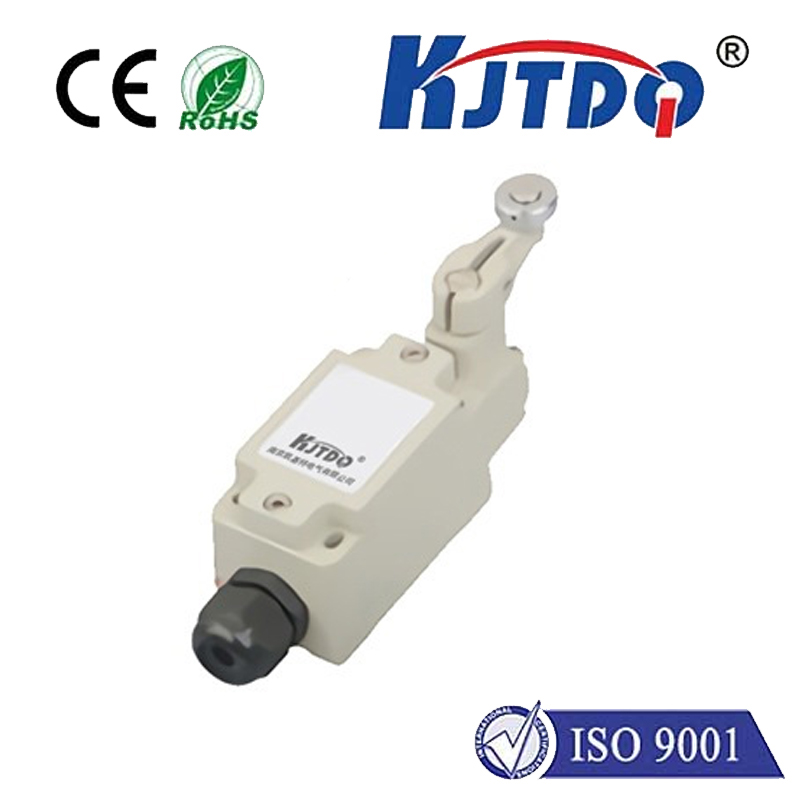
An ICP limit switch is a type of sensor that utilizes piezoelectric technology integrated with built-in electronics. Unlike traditional mechanical limit switches that rely on physical contact and levers, the ICP variant detects changes in force, pressure, or acceleration by generating an electrical charge in response to mechanical stress. This charge is then converted into a low-impedance voltage signal by the onboard integrated circuit, making it highly suitable for dynamic measurement applications. The core principle hinges on the piezoelectric effect, where certain materials produce electricity when mechanically deformed.
The operational mechanism of an ICP limit switch is both elegant and efficient. When the sensing element, typically a piezoelectric crystal, is subjected to a force or vibration—such as when a machine part reaches its designated travel endpoint—it generates a proportional electrical signal. This signal is immediately conditioned by the miniature amplifier within the same housing. The output is a robust, low-noise signal that can be transmitted over long cables without significant degradation, directly interfacing with PLCs (Programmable Logic Controllers), data acquisition systems, or alarm units. This design eliminates the need for external charge amplifiers, simplifying system integration.
Key advantages of employing ICP limit switches are numerous. Firstly, they offer exceptional durability and longevity. With no moving mechanical parts subject to wear and tear, they outperform conventional mechanical switches in high-cycle or high-vibration environments. Their solid-state nature ensures consistent performance over time. Secondly, they provide high-frequency response capabilities, making them ideal for monitoring rapid events or precise positional control. Thirdly, the integrated electronics provide a strong output signal that is less susceptible to environmental electrical noise, enhancing measurement accuracy and system reliability. Furthermore, their compact size allows for installation in space-constrained locations.
In practical terms, ICP limit switches find extensive applications across various industries. In automotive manufacturing, they are used in robotic assembly lines to ensure precise positioning of components. In the aerospace sector, they monitor critical moving parts and access panels. Within heavy machinery, such as CNC machines or packaging equipment, they serve as reliable end-of-travel detectors to prevent over-travel and potential damage. They are also pivotal in safety interlock systems, where confirming the closed position of a guard door is essential for operator protection.
Selecting the right ICP limit switch requires careful consideration of several parameters. The sensing range, output signal type (typically 4-20 mA or voltage), environmental rating (IP67 for dust and water resistance is common), temperature operating range, and the specific mechanical mounting configuration are all critical factors. Compatibility with existing control system input cards must also be verified. Proper installation is equally important; the sensor must be securely mounted to accurately transmit the mechanical input, and cabling should follow best practices to avoid ground loops and interference.
Maintenance of these devices is generally minimal due to their robust design. However, periodic verification of signal integrity and checking for physical damage to the housing or cable is recommended. Ensuring that the connected control system correctly interprets the switch's signal is vital for ongoing operational safety.
In conclusion, the ICP limit switch stands as a testament to the evolution of sensor technology, merging precise piezoelectric sensing with convenient integrated electronics. It addresses the growing demand for reliable, high-performance, and low-maintenance solutions in modern industrial automation. By understanding its principles and applications, professionals can make informed decisions to enhance system efficiency, safety, and productivity. For those seeking advanced limit switch solutions, exploring the specifications and offerings from reputable manufacturers is a prudent next step.