check

check

check

check

check

check
In the intricate world of industrial automation, where precision and reliability are non-negotiable, the humble limit switch plays a pivotal role. Among the trusted names in this critical component category, the Comepi limit switch stands out for its robust performance and consistent quality. This article delves into the essential functions, key features, and significant advantages of integrating Comepi limit switches into modern automated systems, highlighting why they are a preferred choice for engineers and system integrators globally.
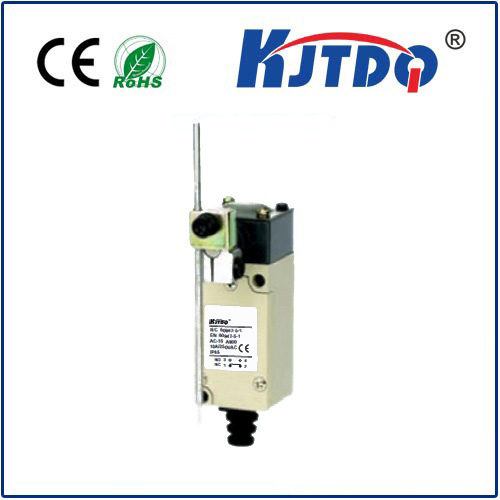
At its core, a limit switch is an electromechanical device designed to detect the presence or absence of an object, or to monitor the limits of travel of a machine part. It acts as a sentinel, providing crucial feedback to a control system to initiate, halt, or modify an operation. The Comepi limit switch excels in this fundamental task, engineered to deliver accurate and repeatable signals in even the most demanding industrial environments. From conveyor belts and robotic arms to packaging machinery and heavy-duty cranes, these switches ensure that movements are precisely controlled, preventing over-travel, collisions, and potential equipment damage.
The durability of Comepi limit switches is a cornerstone of their design. Constructed with high-grade materials such as rugged metal housings and sealed actuators, they are built to withstand harsh conditions including dust, moisture, oil, and extreme temperatures. This robust construction translates directly into reduced downtime and lower maintenance costs, as the switches continue to operate reliably over extended periods without frequent failures. The sealing technologies employed, often meeting IP67 ratings or higher, ensure that internal components remain protected from contaminants, making them suitable for use in food processing, chemical plants, and outdoor applications.
Another defining characteristic is their versatility. Comepi offers a wide array of limit switch models with various actuator types—including roller lever, plunger, and whisker styles—and electrical configurations. This variety allows for precise customization to fit specific mechanical and spatial requirements of different machines. Whether the application requires a slow-motion operation with high precision or a high-speed detection task, there is a Comepi switch designed to match the need. The electrical contacts are designed for long life, capable of handling the electrical loads typical in industrial control circuits without premature wear.
Installation and integration are streamlined with user-friendly designs. Many Comepi limit switches feature clear mounting options, adjustable levers, and easy-to-wire terminal blocks. This simplifies the setup process for technicians, reducing installation time and minimizing errors. Furthermore, their compatibility with standard industrial control protocols ensures they can be seamlessly incorporated into existing Programmable Logic Controller (PLC) systems or other automation architectures without requiring major system overhauls.
Safety is paramount in any industrial setting, and Comepi limit switches contribute significantly to operational safety. By reliably detecting the end positions of moving parts, they help implement essential safety interlocks. For instance, they can ensure a guard door is securely closed before a machine cycle begins or confirm that a robotic cell is clear before initiating movement. This proactive hazard prevention is critical for protecting both personnel and expensive capital equipment, helping facilities comply with stringent international safety standards.
The economic benefits of choosing Comepi are clear. While the initial investment in high-quality limit switches might be marginally higher than generic alternatives, the total cost of ownership is often lower. Their extended service life, reliability, and reduced need for replacements lead to significant savings in the long run. Minimized unplanned stoppages also contribute to higher overall equipment effectiveness (OEE), ensuring production lines run smoothly and meet output targets consistently.
In conclusion, the Comepi limit switch represents more than just a component; it is a vital element in the pursuit of efficient, safe, and reliable automation. Its combination of rugged construction, precise operation, versatile design, and safety-enhancing features makes it an indispensable tool for industries striving to optimize their processes. For engineers seeking a dependable solution to motion control and position detection, specifying Comepi limit switches is a decision that supports both immediate operational goals and long-term strategic reliability.