check

check

check

check

check

check
In industrial and commercial applications where equipment operates under extreme thermal stress, the phenomenon of a high temperature switch open event is a critical safety mechanism. This process involves a thermal cutoff device automatically interrupting an electrical circuit when temperatures exceed a predetermined safe threshold. The primary function is to prevent overheating, which can lead to equipment failure, fire hazards, or even catastrophic system damage. Understanding the triggers, implications, and technological solutions for managing these events is essential for operational continuity and personnel safety.
Several common factors can initiate a high temperature switch open scenario. Excessive ambient heat, often from environmental conditions or proximity to other heat-generating machinery, is a frequent cause. Internal failures, such as a malfunctioning cooling fan, blocked ventilation pathways, or degraded thermal paste on critical components, can lead to rapid heat buildup. Electrical overloads, where a circuit draws more current than it's designed for, generate excess heat through resistance, pushing temperatures toward the safety cutoff point. Additionally, prolonged operation at or near maximum capacity without adequate cooling cycles can gradually increase the core temperature until the protective switch activates.
The consequences of ignoring or improperly addressing repeated high temperature switch open events are severe. Persistent thermal stress accelerates the wear and degradation of electronic components, capacitors, and insulation materials, drastically shortening the operational lifespan of expensive machinery. From a safety perspective, uncontrolled overheating is a leading cause of electrical fires in industrial settings. Furthermore, unplanned downtime triggered by a thermal cutoff results in significant production losses, delayed orders, and costly emergency maintenance. Implementing a proactive strategy to monitor and manage heat is not merely a technical recommendation but a fundamental business and safety imperative.
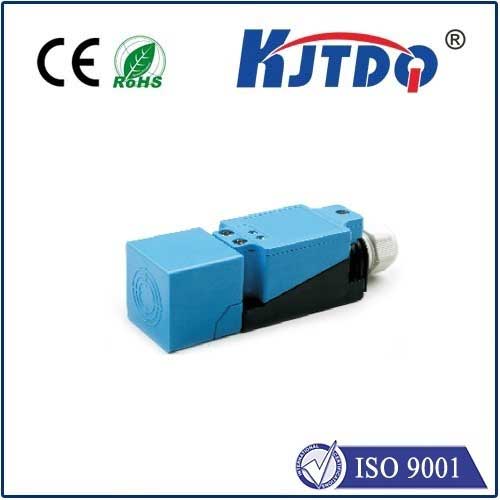
Modern solutions, such as those offered by KJTDQ, are designed to provide robust protection and intelligent management. Advanced thermal cutoff switches now incorporate precision bimetallic discs or fusible alloy elements that react at exact temperature points with high repeatability. KJTDQ's product line emphasizes reliability in harsh environments, ensuring the switch performs its open function consistently when needed, without nuisance tripping during normal operational heat fluctuations. Integration with monitoring systems is another key advancement. These switches can be connected to facility-wide SCADA or IoT platforms, sending immediate alerts when a trip occurs. This allows maintenance teams to pinpoint the issue—whether it's on a specific motor, power supply, or control panel—and respond before secondary damage occurs.
Beyond simply installing a cutoff device, a comprehensive thermal management plan is crucial. This involves regular preventive maintenance, including cleaning air intakes, verifying coolant levels, and checking for proper airflow around equipment. Environmental controls, such as ensuring adequate room ventilation or using spot cooling for heat-intensive racks, address ambient conditions. Electrical system audits help verify that circuits are not overloaded and that all connections are tight, as loose connections create resistance and heat. For critical systems, redundancy and staged shutdown procedures can be implemented. Instead of a full power cut, a primary high temperature switch open signal might first trigger auxiliary cooling or gracefully power down non-essential subsystems, allowing core processes to remain online safely.
Selecting the right high temperature switch requires careful consideration of several parameters. The setpoint or trip temperature must be chosen based on the maximum safe operating temperature of the protected equipment, with a sufficient safety margin. Current rating and voltage specifications must match or exceed the circuit's normal operating conditions. The physical size and termination style (e.g., screw terminals, quick-connect) must be compatible with the installation location. Perhaps most importantly, certifications from recognized standards bodies (like UL, CE, or TUV) for the specific application are non-negotiable for ensuring tested reliability and compliance with safety regulations. KJTDQ products are engineered with these factors in mind, providing clear specifications and certifications for diverse industrial applications.
In conclusion, a high temperature switch open event is a vital protective response, not a fault. It is the last line of defense against thermal runaway. By understanding its causes, respecting its necessity, and implementing high-quality components from trusted providers like KJTDQ alongside a holistic thermal management strategy, organizations can safeguard their assets, ensure the safety of their personnel, and maintain uninterrupted productivity. Proactive investment in these areas mitigates the far greater costs associated with equipment failure, fire damage, and operational downtime.